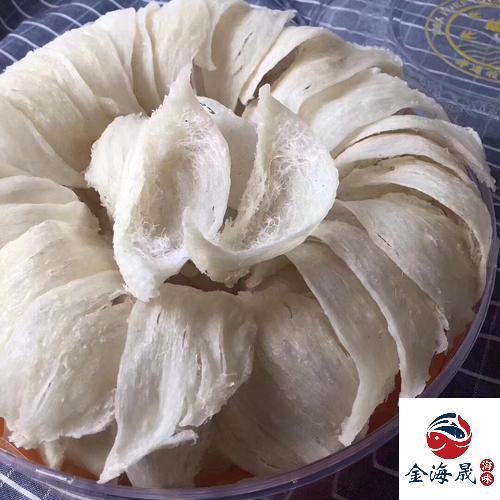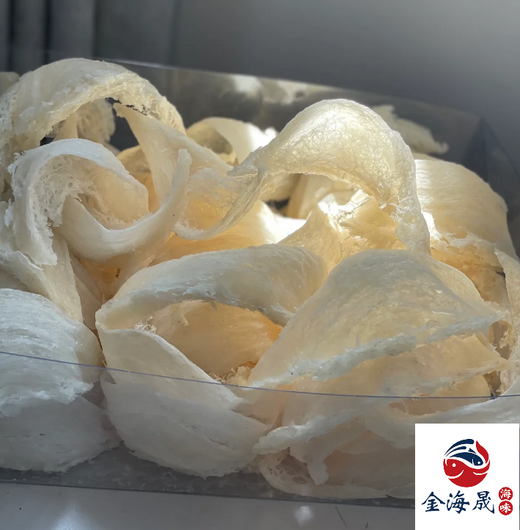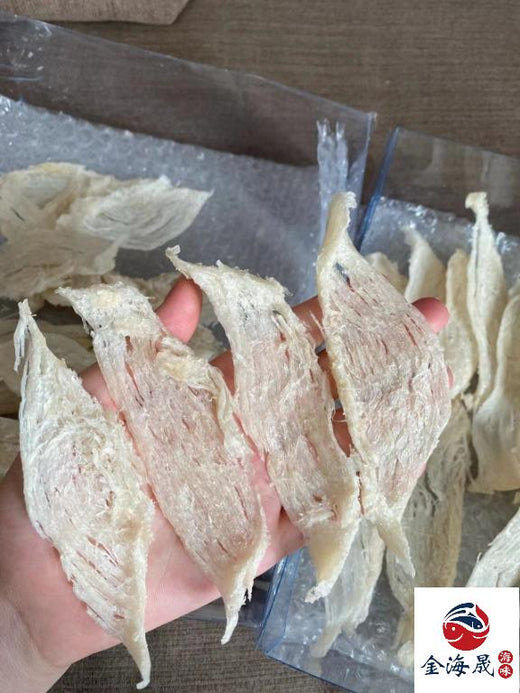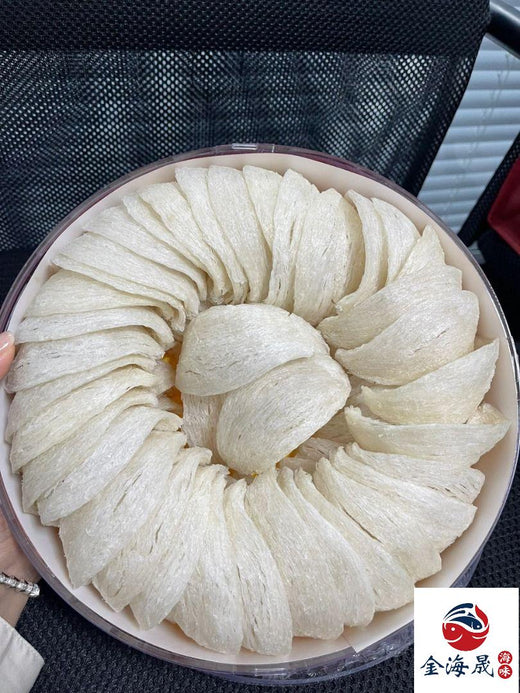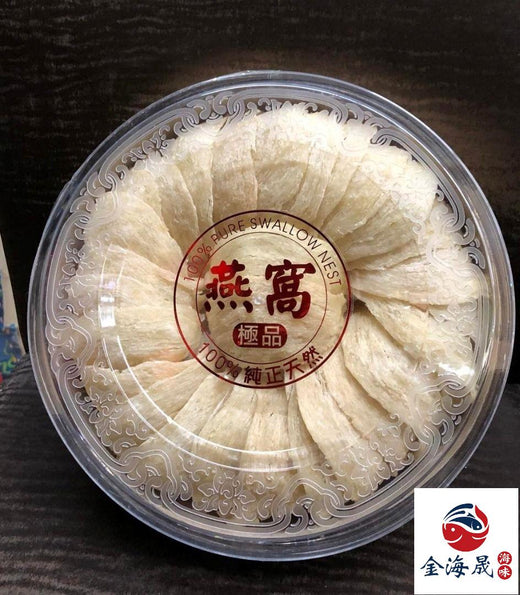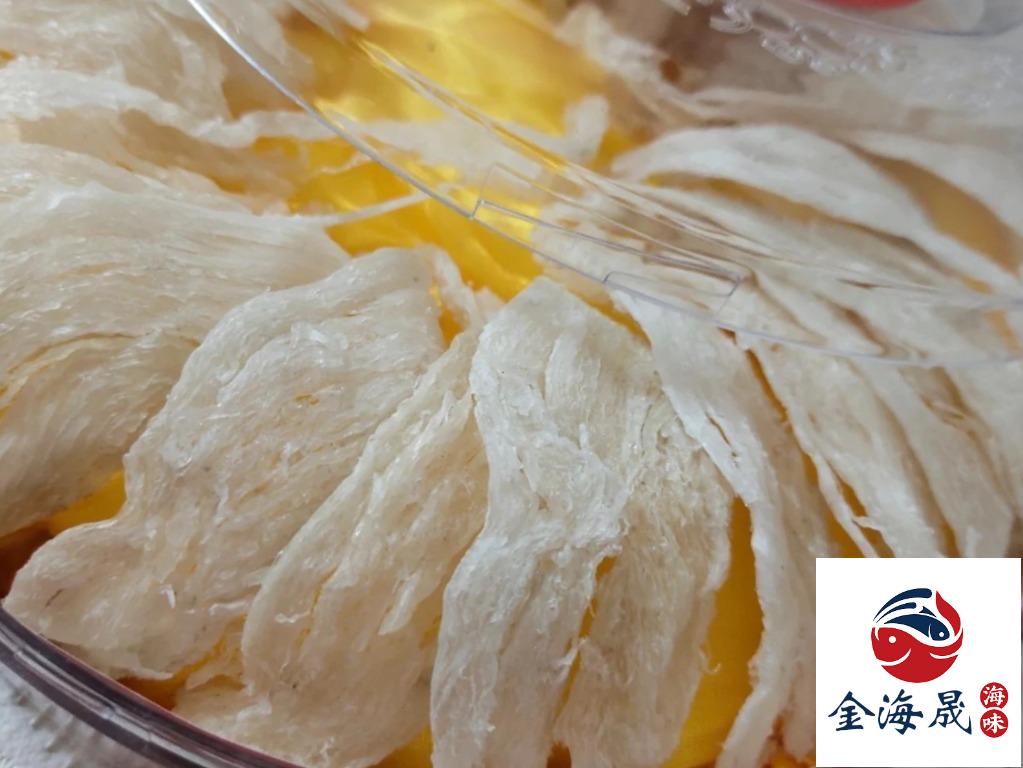
Buyback of premium natural Indonesian white bird's-nest cups: record of identifying dense-cup strand structure in gifted goods from Wan Chai
A customer in Wan Chai had received bird's-nest gift boxes from friends, relatives, and business partners over several years. They had remained untouched in a cupboard for a long time, and the customer brought them out for a price enquiry while clearing the space. The main concern was not simply receiving an attractive price, but whether the batch qualified as dense-cup or sparse-cup stock. A narrow difference in condition between the two can create a purchase-price gap of twenty per cent. After receiving the photographs, we first explained which aspects of premium natural Indonesian white bird's-nest cups could add value and which might warrant deductions, allowing the customer to understand how the figure was calculated rather than receiving only a number.
To avoid a wasted journey, check these points first:With white bird's-nest cups, a single blanket quotation is particularly unreliable. Photographs are first used to assess cup shape, strand structure, dryness, and any glue brushing or bleaching, followed by an in-person inspection if needed. Both positive factors and deductions are explained face to face. Complete information gives a much closer initial range and can also save a journey.
To obtain a narrower estimate, prepare the following:For white bird's-nest cups, also show the thickness of the underside and direction of the strands; a photograph of the gift-box front alone is of limited use. Signs of glue brushing, bleaching, or moisture exposure normally require close-ups to identify.
If you have not decided whether to sell and want to distinguish premium cleaned bird's-nest cups from white bird's-nest cups, first see Key grading points before requesting a bird's-nest appraisal. After reading it, a photographic appraisal will be easier to understand and you will see how the quotation is calculated.
Before making a quotation, we first check for clear deductions and then assess whether the condition supports a higher grade. This case focused on four points:
- Density of the bird's-nest strands: the more tightly and densely the strands interweave across the cup face, the more closely it qualifies as a dense cup. This is central to the grading.
- Cup-body thickness: a substantial feel in hand and firm edges command a higher value than a thin, sparse cup.
- Light transmission: under a light, transmission through the cup body should be even, with no thin gaps admitting excess light, indicating a firm cup structure.
- Weight of the whole cup: the cup should be naturally dry and of genuine weight rather than made heavier by sprayed sugar or water.
When the Wan Chai batch was inspected, it proved to be typical dense-cup stock: the strands were extremely tightly interwoven, the cup bodies were thick, and light transmission was even with no thin gaps. Every cup weighed at least 9 grams, retained its natural unbleached colour, and had only a normal light feather content. Under the current wholesale market, the batch received a valuation in the middle-to-upper range.
The first step in a white bird's-nest cup appraisal: take close-up photographs
For a quicker initial direction, WhatsApp 69035182 with photographs of the cup face, underside, close-ups of the strands, box details, and weight. We first decide whether an in-person inspection is worthwhile; if the indicative price suits you, we arrange a home visit or shop appointment.
A grading valuation must pass these checks
Within one batch, differences in age, dryness, and completeness can shift the value by several grades. We explain and calculate every factor separately rather than simply calling everything good stock:
- First determine whether the cups are dense or sparse: strand density and cup shape determine whether a piece is graded as a dense or sparse cup, establishing the grading baseline.
- Then apply condition deductions: moisture, colour loss, and broken edges are each accurately reflected in the price rather than mentioned only after taking the goods.
- Allow for feather content according to degree: naturally occurring light feather content does not reduce the price. An adjustment is made proportionately only when the entire cup requires re-picking and feathers account for more than 5% of the cup body.
For an initial direction on your goods, start with Bird's-nest market categories. Once you decide to sell, follow Key grading points before requesting a bird's-nest appraisal to arrange an in-person inspection.
Related white bird's-nest cup buyback experience
- Indonesian Dragon-Tooth bird's-nest cup buyback and authentication
- Premium round-box white bird's nest buyback at a strong price
- Buyback of top-grade male New Zealand South American Zha fish maw
For more on the white bird's-nest cup market, start with these pages
- Bird's-nest appraisal reference articles
- Key grading points before requesting a bird's-nest appraisal
- Bird's-nest market categories
- Key grading points before requesting a bird's-nest appraisal
Send these photographs before booking a white bird's-nest cup inspection
Kam Hoi Shing | Home or shop bird's-nest inspection
Contact: 69035182
To arrange a white bird's-nest cup appraisal quickly, provide clear photographs of the cup face, underside, close-ups of the strands, and box details, plus the weight. If the indicative direction is suitable, arrange a time; once everything is confirmed, settlement is made on the spot.