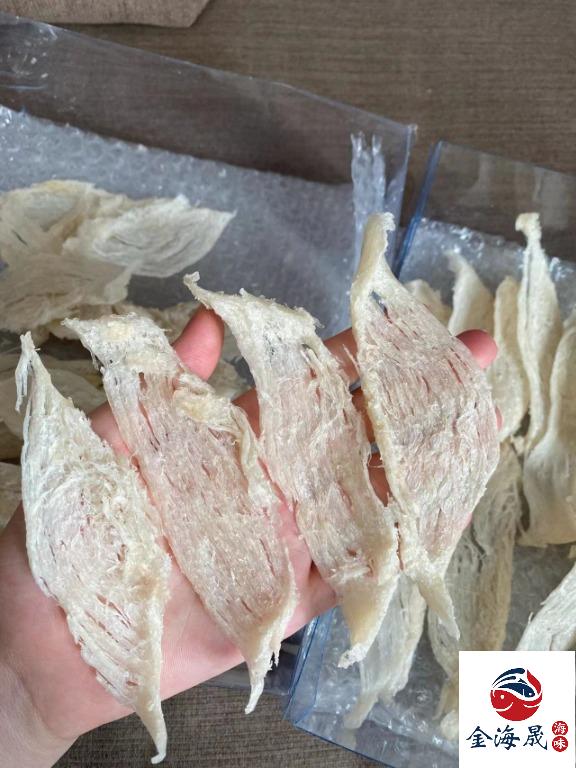
Door-to-Door Inspection of White Bird's-Nest Cups: 8 Gifted Cups in Sai Wan
A resident of Sai Wan had kept bird's nest gifted by relatives, friends and elders for several years. As the family seldom prepared it and worried that further storage would cause loss of aroma and value, they sent photos by WhatsApp to ask whether we would buy it. The family initially worried that they would have to take it to our shop, but that was unnecessary: free door-to-door service also covers Sai Wan, Kennedy Town and Shek Tong Tsui. We first made a preliminary photo assessment so they had a general idea of what this batch of white bird's-nest cups might be worth and what deductions applied, then let them decide between a visit and an in-shop inspection.
The most important thing before selling:Prices for white bird's-nest cups offered for door-to-door inspection can vary widely, usually not because of the name but because of cup shape, fibre structure, dryness and any glue brushing or bleaching. Send photos for an initial assessment and arrange an inspection only if the direction is suitable, avoiding a wasted trip. Complete information makes the initial range much closer and may save an unnecessary journey.
One further step when taking photos:For a door-to-door assessment, overly bright lighting can hide processing traces on white bird's-nest cups. Photograph the face and base in natural light for a much closer initial estimate.
If you have not decided whether to sell and want to understand the process first, start with What to know before an in-person bird's-nest inspection; the cup shape, fibre structure and storage methods described there are precisely the points checked during a door-to-door inspection.
Photos can only indicate a broad direction; the actual offer remains subject to receiving and checking every physical cup. In this case, we began with appearance, then considered storage and market acceptance, focusing on four areas:
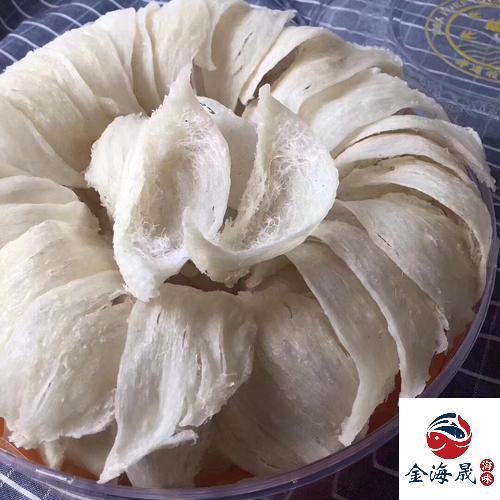
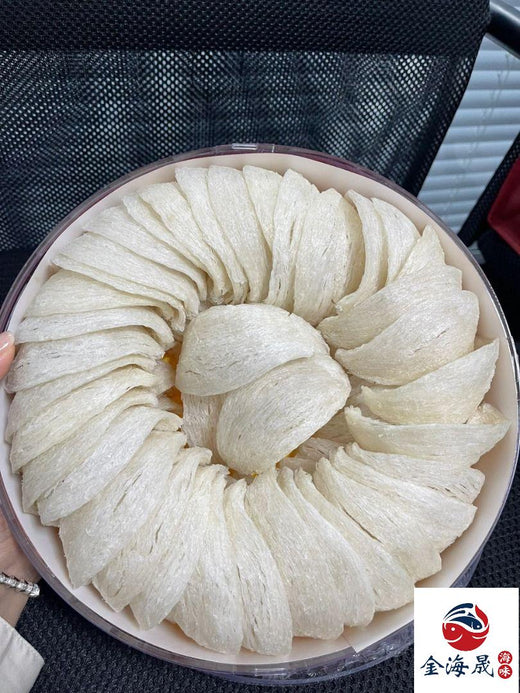
- Integrity of the cup shape: Whether the cup body is intact and free from chipped edges or cracks; only well-shaped cups can reach premium grade.
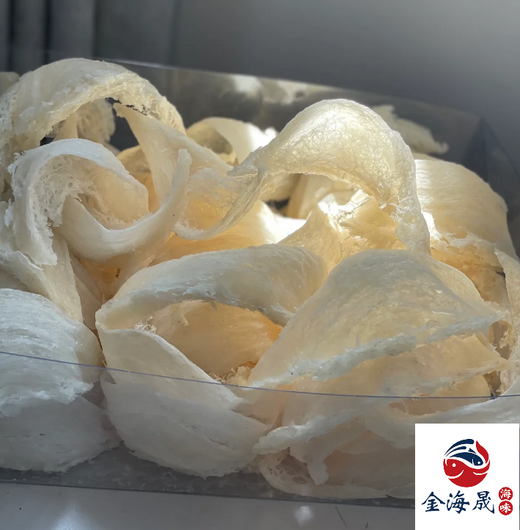
- Fibre structure: Natural fibres are fine and distinct. Their density and interweaving are the hardest features to imitate.
- Colour: A natural off-white to ivory colour is appropriate; an excessively snowy white calls for caution about bleaching.
- Dryness: Fully dry, free from moisture and light in the hand, so there is no risk of accepting goods likely to develop mould.
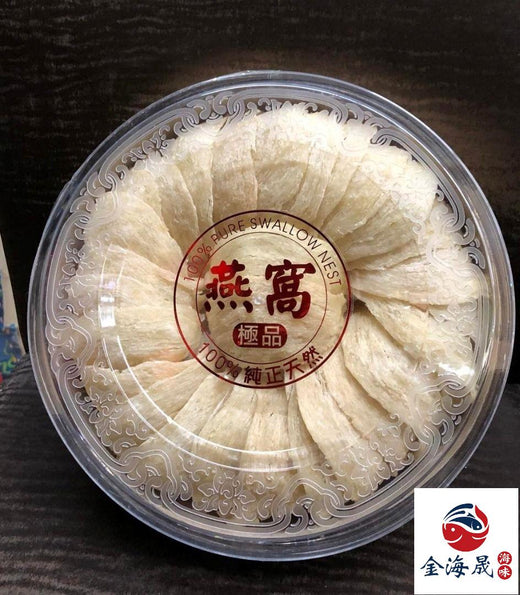
In this Sai Wan case, all 8 white bird's-nest cups were premium grade: intact in shape, with clear fibres, natural unbleached colour and thorough dryness. The appraiser travelled from Kowloon that day and arrived within an hour and a half, assessed each cup and then made an overall valuation. The buyback price for this batch was appreciably above the recent market average.
Photograph all white bird's-nest cup details before a door-to-door inspection
For a quicker initial direction, WhatsApp 69035182 Send photos of the cup face, base, fibre close-ups, box details and weight. We first determine whether an inspection is worthwhile, then arrange a visit or shop appointment if the price direction is suitable.
Details that affect an offer for white bird's-nest cups
Within one batch of white bird's-nest cups, good and poor storage can produce a difference of several grades. Rather than simply calling them good stock, we assess every point separately:
- Value-adding features first: We point out individually how cup shape, fibre structure, natural colour and dryness support a premium grade.
- Then value-deducting features: We explain in person how moisture, cracks and discolouration lower the buyback price, rather than raising deductions only after taking the goods.
- Quote by grade: Processed bird's nest, bird's-nest cups and bird's-nest strips each occupy different positions. Mixed lots are also separated and valued by group rather than blended into one price.
Buyback prices for this type of bird's nest follow the market. For an initial understanding, first see Bird's-nest buyback categories; for the actual handover process, refer to What to know before an in-person bird's-nest inspection.
Compare the white bird's-nest cup market here
- Door-to-door buyback of Indonesian white bird's-nest cups in Mong Kok
- Buyback of premium whole Indonesian white bird's-nest cups, with actual photos
- Door-to-door inspection and buyback of Japanese Kanto spiky sea cucumber
Information to read before valuing white bird's-nest cups
- Further bird's-nest buyback information
- What to know before an in-person bird's-nest inspection
- Bird's-nest buyback categories
- What to know before an in-person bird's-nest inspection
How to begin obtaining a valuation for white bird's-nest cups
Kam Hoi Shing | Book a bird's-nest inspection
Contact:69035182
For a batch or gift box of white bird's-nest cups requiring door-to-door inspection, it is best to provide consistent close-ups of the entire batch. At the inspection, we check every physical cup and explain the valuation in person.