Door-to-Door Inspection of Medium-Large Nagqu Cordyceps: On-the-Spot Settlement for Half a Catty in Ho Man Tin
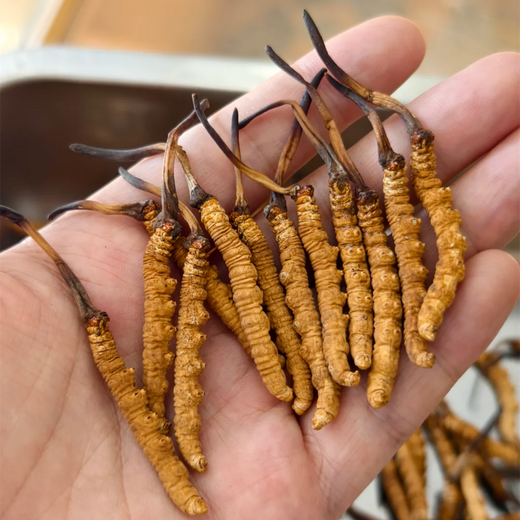
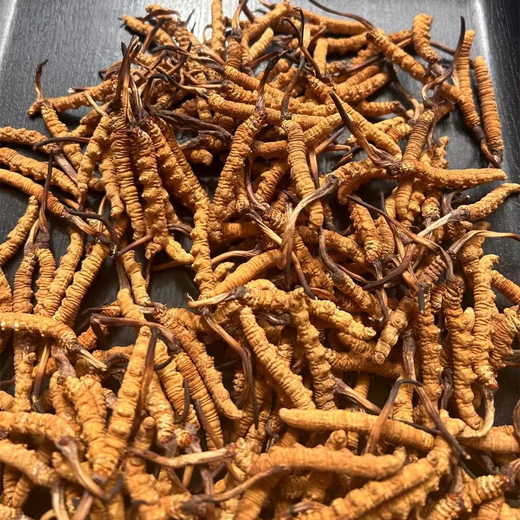
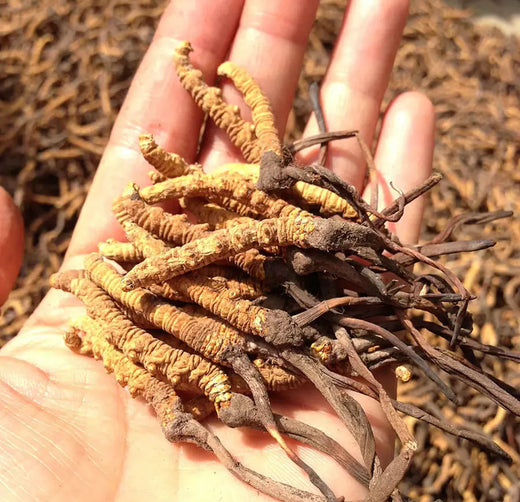
A customer in Ho Man Tin had half a catty of medium-large Nagqu cordyceps. As he lived nearby, he brought it to our shop and arranged for the appraiser to inspect and settle the transaction on the spot. He did not want to sell merely on hearing the phrase 'competitive buyback', so this case focused on explaining the variety, age, dryness and settlement method point by point, avoiding disputes at the meeting.
You can begin a valuation this way:If you have Nagqu cordyceps, use photos to show the legs, cross-sections, fungal aroma, dryness and proportion of broken pieces clearly. We first indicate an approximate direction; the actual price is confirmed only after sampling individual pieces during an in-person inspection. With complete information, the initial range will be much closer and may save an unnecessary trip.
The appraiser will usually ask:For door-to-door inspection of Nagqu cordyceps stored for several years, the key concerns are moisture, changes in odour and an excessive number of broken pieces. Good storage condition provides a basis for discussing a higher grade.
To get a sense of the value before selling, start with Cordyceps origin and piece-count grading; the origin, dryness and storage methods discussed there are also the points checked during the inspection.
Photograph the Nagqu cordyceps clearly before bringing the goods
Comparable goods can vary widely in price, so an on-the-spot inspection is the clearest approach. This case followed all three steps:
- Inspect the goods: Check the specification, fullness and consistency of the batch in person, and count how many pieces there are per catty.
- Weighing: Weigh openly on a 0.01 g electronic scale with the customer watching, and record the weight and count on the spot.
- Settlement: Once the price is confirmed, payment is made immediately in cash or by FPS, with no waiting or second appointment.
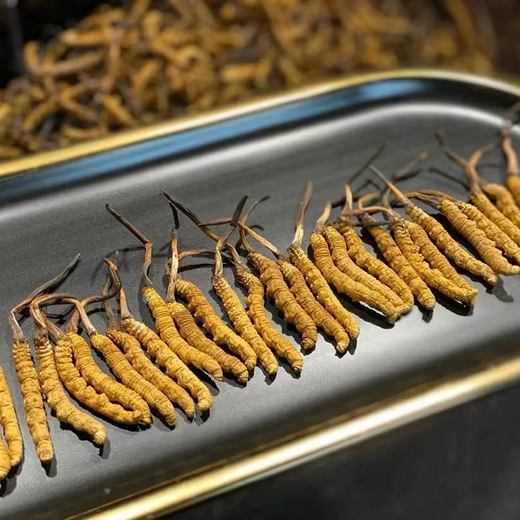
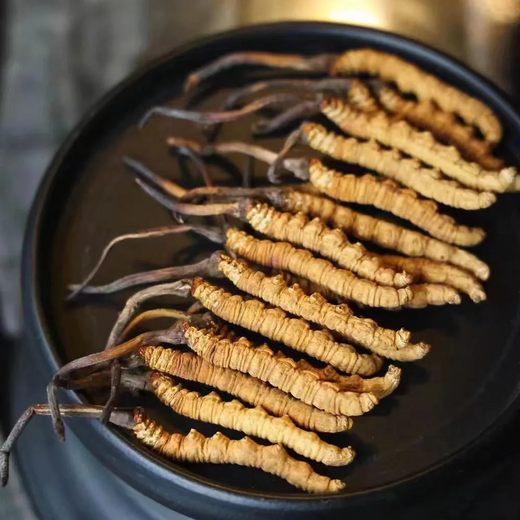
Inspection showed a consistent specification of 1900 to 2000 pieces per catty, with full bodies and no shrivelled pieces. The transaction was settled on the spot at the premium medium-large grade price.
There may be no need to bring the goods out at first. WhatsApp 69035182 Send photos of the full box spread out, close-ups of the legs and cross-sections, and add the weight and years of storage. Clear information can substantially narrow the initial valuation range.
Where price differences arise among Nagqu cordyceps
The value of medium-large Nagqu cordyceps cannot be fixed from one photo alone. We check each factor and explain additions and deductions in person:
- Value-adding features: Full bodies, consistent sizing, full dryness, a pure fungal aroma and a natural golden colour each add value.
- Value-deducting features: We explain in person how many shrivelled pieces, a high proportion of broken pieces, a damp smell or discolouration affect the price, rather than raising deductions only after taking the goods.
- Grade by origin: Nagqu, Yushu and Xinjiang command different prices, and mixed lots are valued separately.
Taking the overall quality, storage condition and market into account, the valuation satisfied the customer. To see the approximate direction for comparable goods, first refer to Comparable cordyceps buyback items, then follow Cordyceps origin and piece-count grading to arrange an inspection.
Valuation clues for comparable Nagqu cordyceps
- Buyback of selected early-season Nagqu cordyceps with a rich fungal aroma
- Selected wild cordyceps buyback with cash payment on the spot
- Door-to-door buyback of Indonesian white bird's-nest cups across all eighteen Hong Kong districts
Further information on storing and valuing Nagqu cordyceps
- Further reading on the cordyceps market
- Cordyceps origin and piece-count grading
- Comparable cordyceps buyback items
- Cordyceps origin and piece-count grading
How to contact us when preparing to value Nagqu cordyceps
Kam Hoi Shing | Door-to-door or in-shop cordyceps inspection
Contact:69035182
For a faster Nagqu cordyceps valuation, clearly photograph the full box spread out, close-ups of the legs and cross-sections, and include the weight. If the direction is suitable, arrange a time; settlement is made on the spot after verification.