
Large Nagqu Cordyceps Buyback
Want to sell cordyceps gifted by an elder after years of storage? On-camera record of a premium N...
View appraisal detailsFree dried seafood appraisal
Have similar dried seafood to sell? Send clear photos for an initial estimate based on type, age, dryness, storage condition and market demand.
WhatsApp / phone: +852 69035182. Send photos first to understand the likely value before visiting.
Product details
Review product grade, condition and valuation criteria to understand the factors that shape value.
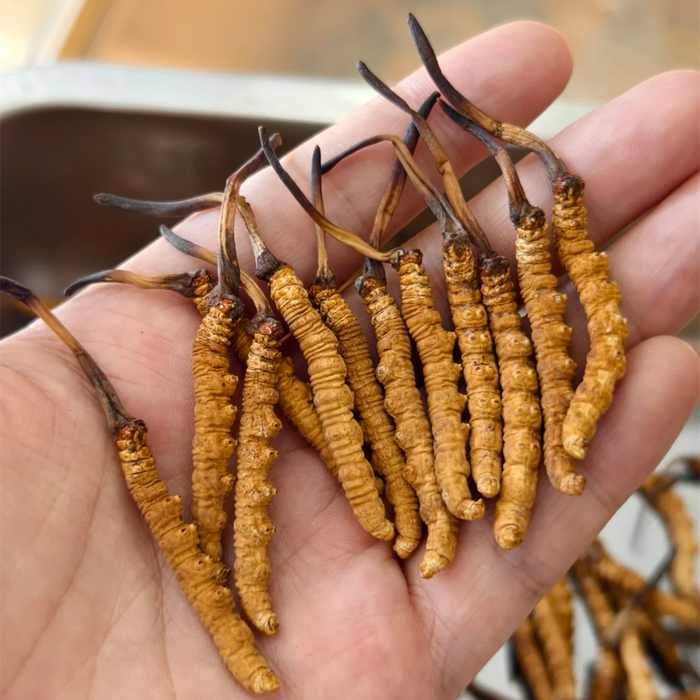
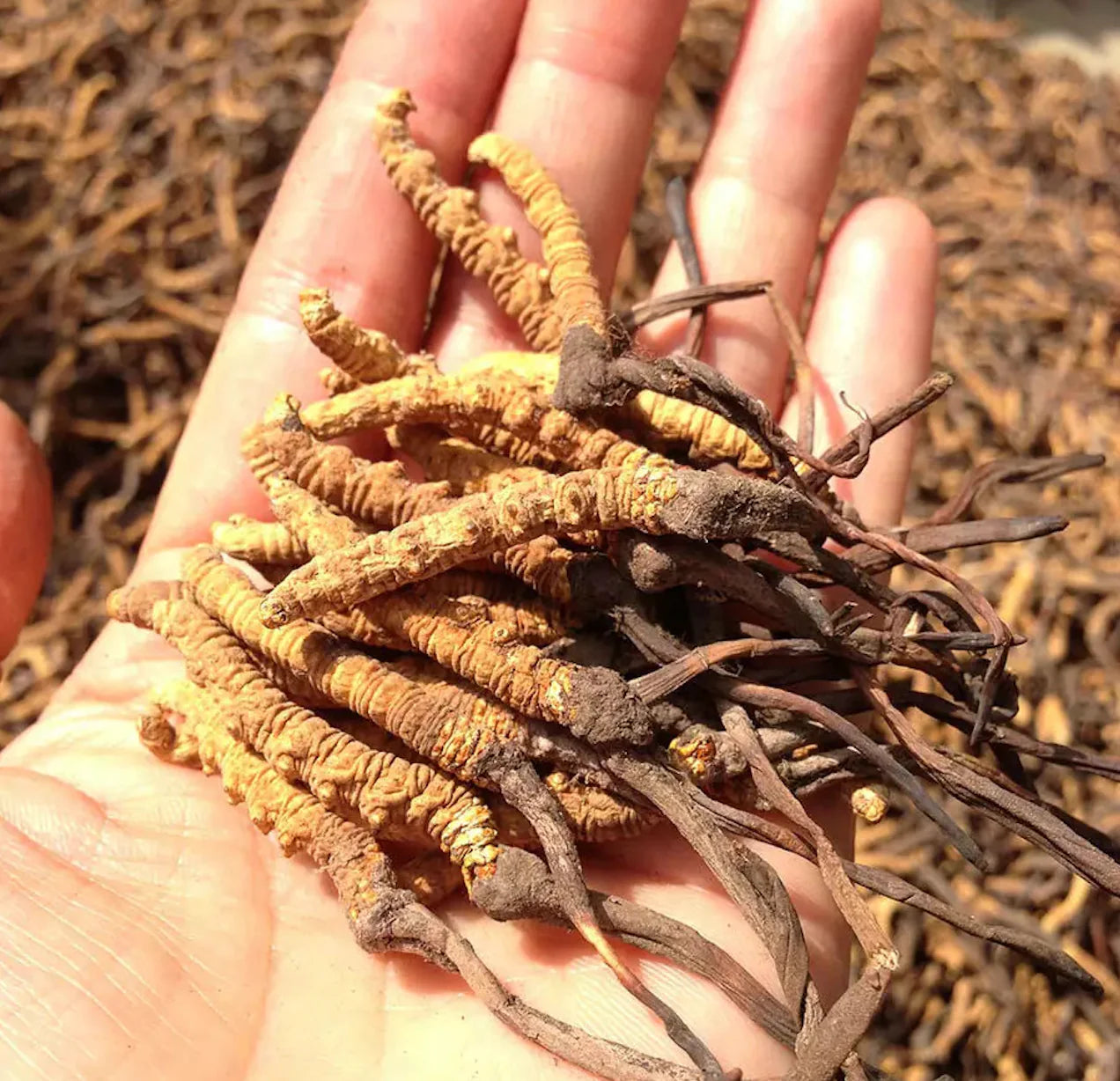
A customer in Sheung Wan had half a catty of early-season Nagqu cordyceps and was particularly concerned about the common practice of inserting bamboo sticks to increase the weight. The customer therefore brought the goods to the shop to watch the inspection and settle on the spot, wanting to see how we checked each piece rather than merely hearing a quotation online. If family members have not yet reached agreement, we normally recommend an initial assessment from photographs so that everyone understands the likely range and deductions before deciding whether to visit the shop or arrange a home inspection.
You can begin an appraisal this way:If you have early-season Nagqu cordyceps, first use photographs to show the leg features, cross-section, fungal aroma, dryness, and proportion of broken pieces clearly. We will provide an initial direction, while the actual price is confirmed only after pieces have been sampled and checked during an in-person inspection. Complete information gives a much closer initial range and can also save a journey.
The appraiser will normally ask:If early-season Nagqu cordyceps has been stored for several years, the principal concerns are moisture exposure, changes in smell, and an excessive proportion of broken pieces. Only stock kept in good condition can be discussed at a higher grade.
If you are unsure of the grade of your batch, first see Cordyceps grading by origin and piece count for more practical guidance. We use the same criteria when explaining an on-site valuation.
Once the goods arrive, we proceed in three steps:
Every piece in this half-catty batch was inspected. None contained an inserted bamboo stick or other artificial weight, and the pronounced fungal aroma was typical of early-season Nagqu cordyceps. We bought the entire batch at the premium early-season grade. Taking quality, storage, and the prevailing market into account, the customer accepted the final valuation.
There is no need to bring the goods out at the outset. First WhatsApp 69035182 with a photograph of the full box spread out, close-ups of the legs, and a broken cross-section, plus the weight and years of storage. Clearer information can substantially narrow the initial estimate.
If several types of cordyceps have been mixed together at home, first use Related cordyceps buyback items to distinguish the categories. For purchase arrangements, see Cordyceps grading by origin and piece count.
Kam Hoi Shing | Cordyceps appraisal enquiry
Contact: 69035182
If your early-season Nagqu cordyceps has absorbed moisture, contains broken pieces, or forms part of a mixed batch, please say so first. We will provide an indicative range from the photographs; the actual price is subject to an in-person inspection.
Buyback process
Understand valuation, handover and privacy at every step before deciding whether to sell.
Send photos and basic details on WhatsApp so we can assess variety and condition first.
We review age, dryness, thickness, completeness, source, and current market demand.
Hong Kong and Macau handover can be arranged by appointment when suitable.
After checking the actual item, we confirm the price on site. The process is private and non-binding.
Photo guide
The buyback value depends on physical condition, not only the name. Clear detail photos reduce back-and-forth.
Show the front, back, and side so shape and completeness are visible.
Show the thickness, texture, colour, cracks and surface condition.
Include boxes, labels, age, brand, or source information if available.
Share approximate weight, pieces, storage age, and whether it was opened or affected by moisture.
FAQ
For Cordyceps Buyback Reference Collection buyback valuations, send photos on WhatsApp or call +852 69035182. We will give you a clear first direction.
Related buyback items
Age, condition, and storage can affect buyback value, so related items are useful references.
Want to sell cordyceps gifted by an elder after years of storage? On-camera record of a premium N...
View appraisal details
Does a quoted price from a Tibetan supply region hold in Hong Kong? Today's Tibetan cordyceps pri...
View appraisal details
Want to sell gift-boxed Nagqu cordyceps? Send photographs for an initial direction, then arrange ...
View appraisal details
Worried that the goods are fake or artificially weighted? Authenticate Nagqu cordyceps before dis...
View appraisal details
Can a photograph indicate the likely value? Record of a Tuen Mun customer's batch of personally s...
View appraisal details