How Does a Trader Price Early-Season Wild Golden Nagqu Cordyceps? A May First-Harvest Batch in North Point
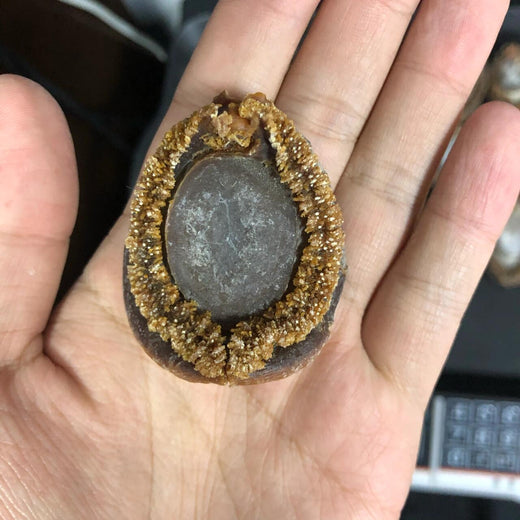
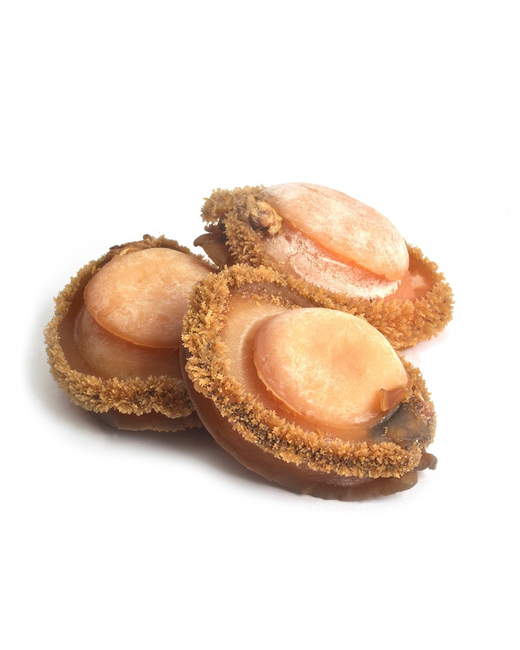
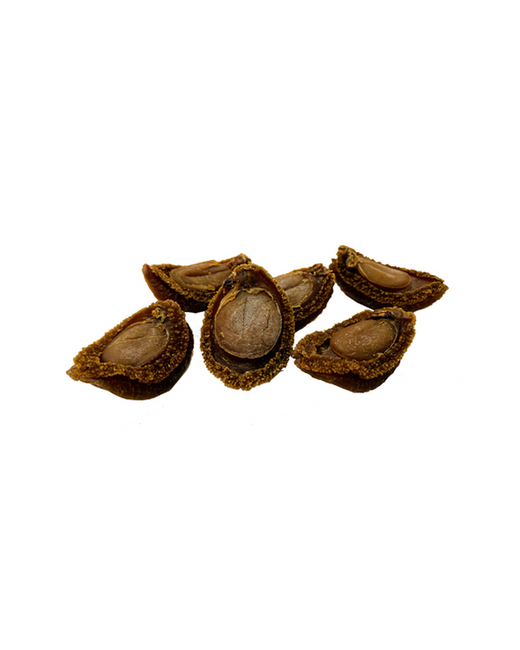
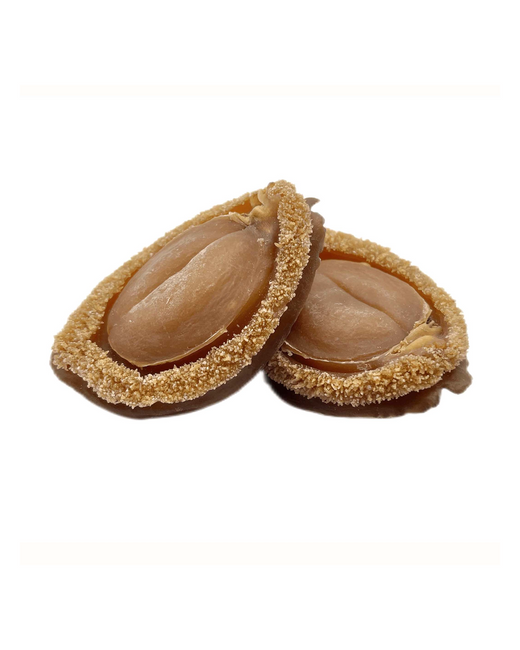
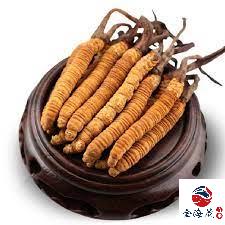
A trader in North Point was closing down and wanted to clear a batch of early-May Nagqu cordyceps. It came from that year's first harvest and had a golden colour. As an industry insider, the seller needed no lengthy explanation of specifications; the priority was same-day payment without delay. Trade-to-trade pricing must be quick and precise: early golden cordyceps and later brown stock are in different price tiers, and blending them would disadvantage both sides. Photos indicated genuine early-season premium stock, so we promptly arranged an inspection. The formal price remained subject to examining individual physical pieces and weighing the full quantity.
This type of goods must first be distinguished clearly:To determine whether early-season Nagqu cordyceps is worth selling, examine the legs, cross-sections, fungal aroma, dryness and proportion of broken pieces separately. A preliminary photo assessment is only the first step; the final valuation remains subject to sampling individual physical pieces and checking them on the spot. With complete information, the initial range will be much closer and may save an unnecessary trip.
Once the goods are in hand, more than one factor matters:There is little value in fixing a price for early-season Nagqu cordyceps before distinguishing genuine from counterfeit goods. Photos indicate the direction first; during inspection, we smell the fungal aroma, examine the chrysanthemum-like cross-sectional pattern and weigh the goods.
To establish whether this batch is for personal use or collector grade, first see Key points in cordyceps storage and valuation; during an actual buyback, each point is adjusted against the physical condition.
From photos of early-season Nagqu cordyceps to a physical-goods offer
Photos can only indicate a direction; the details are determined once the goods are in hand. In this case, four main areas were assessed separately:
- Early-season colour: Early golden cordyceps is distinctly golden rather than brown; later harvests turn brown.
- Stroma condition: Early-season stromata are short and full, while later-season stromata grow longer and the insect bodies tend to be hollow.
- Insect body and piece count: Full, rounded bodies with substantial weight are preferred; fewer pieces per gram command a higher price.
- Fungal aroma and dryness: A strong natural fungal aroma and full dryness with no moisture are direct indicators of genuine quality.
When all four criteria align, early-season Nagqu cordyceps of this kind is among the market's most sought-after top-tier stock. Based on the current market, this batch's buyback price was close to the primary wholesale level, with settlement available on the day once agreed.
How the physical goods determine an offer for early-season Nagqu cordyceps
If you already have all the information, WhatsApp 69035182 Send photos of the full box spread out, close-ups of the legs and cross-sections, and state whether the goods are a bulk lot, a gift box or aged stock. The appraiser will first indicate an approximate direction.
To value this batch together with other goods, first use Comparable cordyceps items to organise the information, then make an appointment through Key points in cordyceps storage and valuation.
How to compare similar early-season Nagqu cordyceps
- Bulk Nagqu cordyceps buyback with immediate payment
- Sell Nagqu cordyceps gift boxes with a valuation from photos
- Buyback of premium whole Indonesian white bird's-nest cups, with actual photos
Read more about grading and storing early-season Nagqu cordyceps
- More cordyceps valuation information
- Key points in cordyceps storage and valuation
- Comparable cordyceps items
- Key points in cordyceps storage and valuation
Door-to-door or in-shop inspection arrangements for early-season Nagqu cordyceps
Kam Hoi Shing | Book a cordyceps inspection
Contact:69035182
For a bulk lot or gift box of early-season Nagqu cordyceps, it is best to provide consistent close-ups of the entire batch. During inspection, individual physical pieces are sampled and we explain the valuation in person.