How much does aged Oma abalone command? Record of a North Point trade seller clearing 6 old-stock pieces
A long-established shop in North Point was closing and clearing stock. The experienced owner wanted to sell 6 aged Japanese Oma dried abalones to us in one transaction and stated the priority plainly: same-day payment without delay. A trade discussion is direct, but Oma abalone is unsuitable for a blanket price per catty because condition, full dryness, and depth of old-stock ageing can create a substantial value gap within the same batch. We explain positive factors and deductions openly so the seller understands the calculation before the purchase.
To avoid a wasted journey, check these points first:With aged Oma abalone, a single blanket quotation is particularly unreliable. Photographs are first used to assess head count, skirt, degree of sugar-heart development, dryness, and storage aroma, followed by an in-person inspection if needed. Both positive factors and deductions are explained face to face. For aged stock, dryness and storage aroma require particular attention; age is only one reference point.
To obtain a narrower estimate, prepare the following:Oma abalone cannot be assessed by size alone. The skirt, closure at the base, degree of dryness, and any rancid oil smell must all be considered. Old stock can support its value only when it has been stored well.
Value differences among Oma abalones usually lie in the details. To compare the criteria before proceeding, see Dried-abalone appraisal reference articles. Its assessment points are the same standards used individually during an in-person inspection.
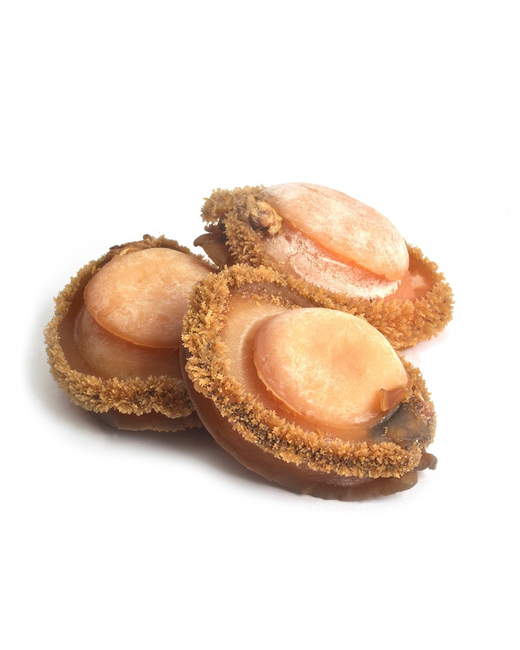
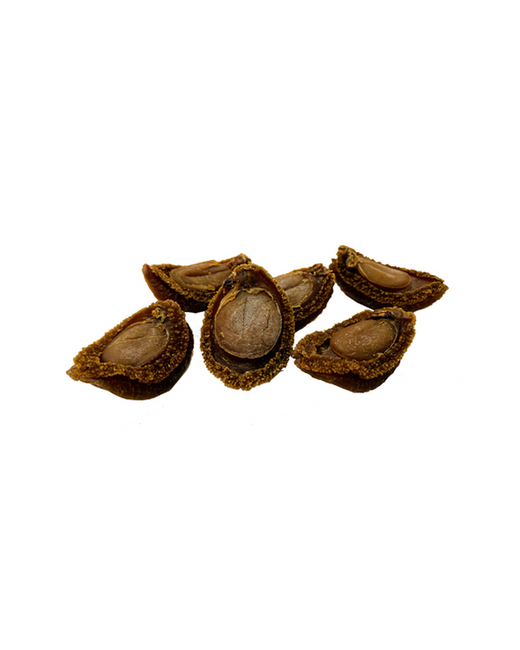
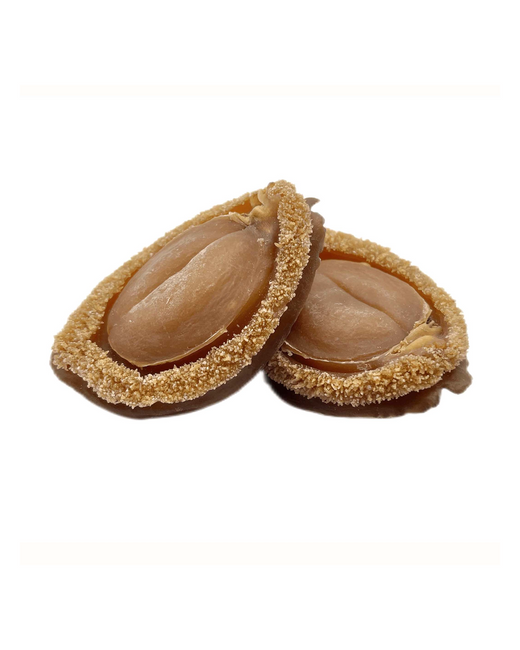
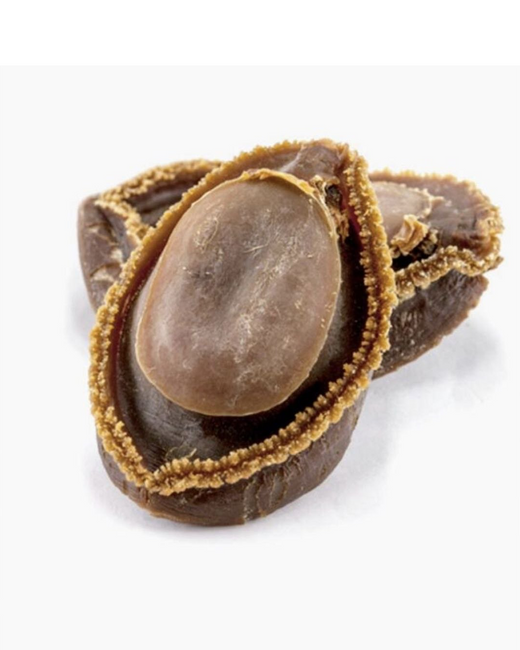
When these 6 pieces were laid out on the spot, we assessed four factors:
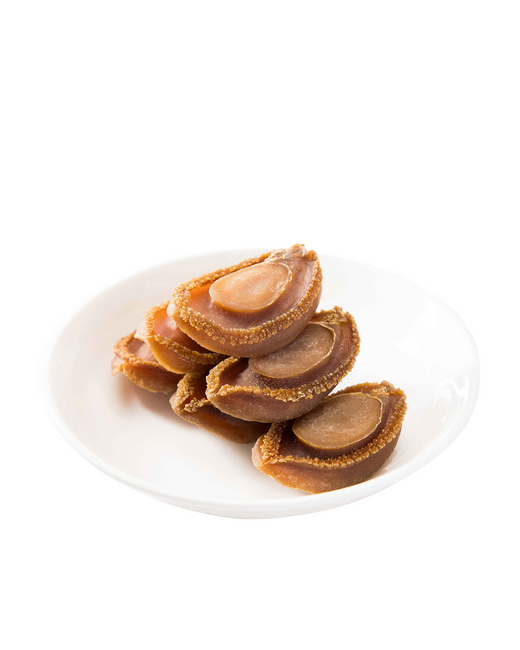
- Identify the variety characteristics: Oma abalone is naturally smaller, but its folded edges and substantial sugar heart distinguish it as one of Japan's three prestigious abalones. Its limited production makes it valuable, so it should not be undersold merely as small abalone.
- Skirt and body thickness: a complete golden skirt without breakage and a thick, substantial body when pressed directly establish the baseline value.
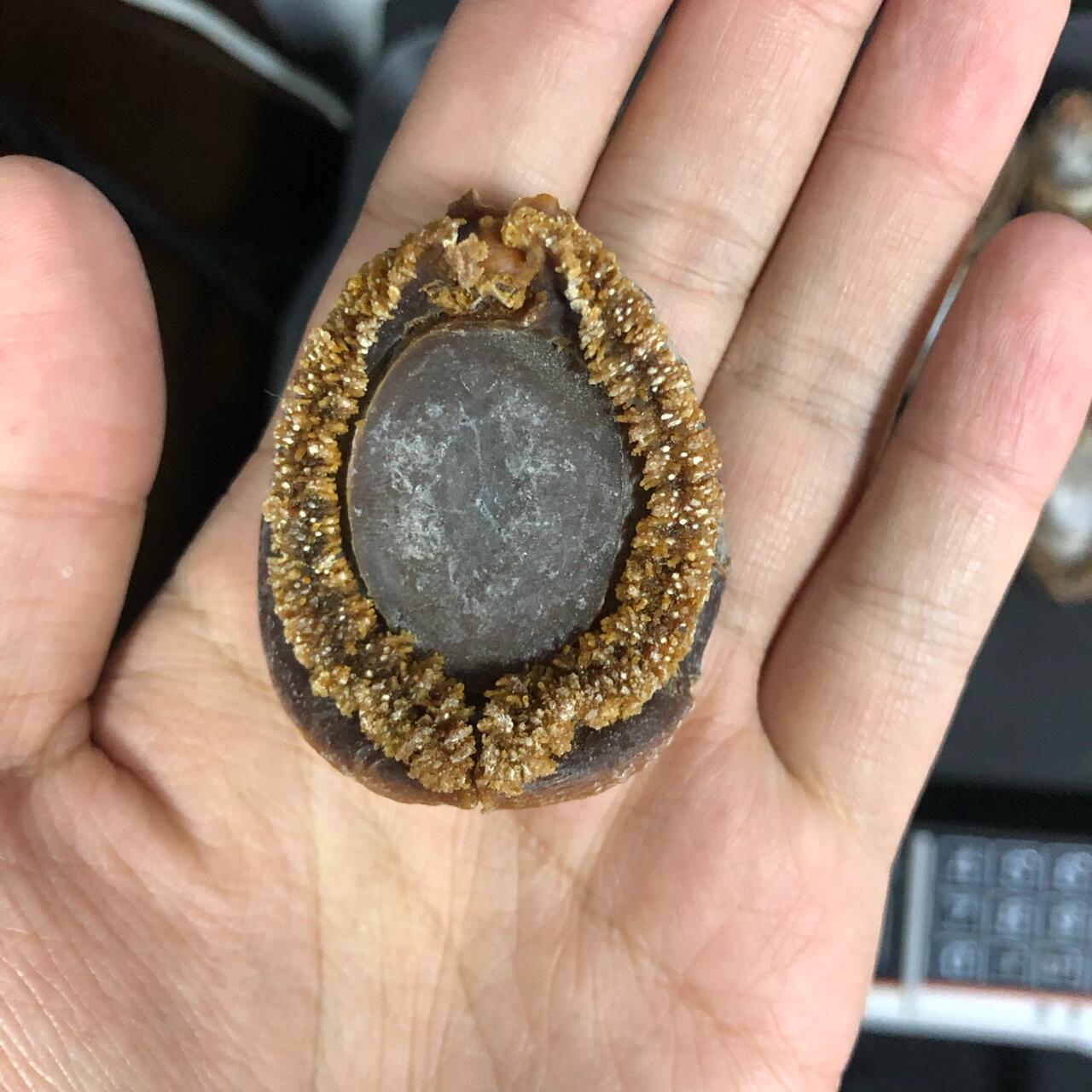
- Old-stock ageing: a layer of natural oily bloom on the surface and a rich aged aroma indicate old stock. Greater age with tighter contraction supports a higher value.
- Fully dried with no moisture: the goods must feel dry in hand, with no reabsorbed moisture or musty storage smell, to reach the top band of aged grade.
Across all four factors, these 6 pieces had golden skirts, thick bodies, and pronounced old-stock ageing, placing them in the top tier of aged Oma abalone. The quotation was close to the primary-market level. After reviewing the calculation, the owner accepted and received payment on the spot for the cleared stock.
The first step in an Oma abalone appraisal: take close-up photographs
If you are unsure whether an in-person inspection is worthwhile, first WhatsApp 69035182 with clear photographs of the front, back, skirt, base, weight details, and any flaws, so there is no need to guess; during the in-person inspection, we will verify each point against the physical goods.
These checks underpin the value of aged stock
Ultimately, an Oma abalone quotation depends on several factors. Variety and head count determine grade, with a lower head count indicating larger and more valuable pieces. Deeper old-stock ageing and a fuller sugar heart capable of producing a soft centre add value. A complete skirt and full dryness without moisture further support the figure. Conversely, moisture, cracks, and colour loss warrant immediate deductions, all pointed out individually during the in-person inspection rather than introduced after taking the goods. To organise other dried abalone at home for appraisal together, start with Dried-abalone market categories to distinguish them, then follow Key grading points before a dried-abalone appraisal to arrange an in-person inspection.
Related Oma abalone buyback experience
- Buyback of old-stock Japanese Kippin abalone in West Kowloon
- Authentication and buyback of Japanese Kippin dried-abalone gift boxes
- Buyback of twenty-year-old T-marked Suriname spider fish maw
For more on the Oma abalone market, start with these pages
- Dried-abalone appraisal reference articles
- Key grading points before a dried-abalone appraisal
- Dried-abalone market categories
- Key grading points before a dried-abalone appraisal
Send these photographs before booking an Oma abalone inspection
Kam Hoi Shing | Dried-abalone buyback enquiries
Contact: 69035182
If you have Oma abalone and are unsure what to do with it, first send photographs. If an in-person inspection is worthwhile, we can arrange a home visit or shop appointment; there is no need to seek quotations everywhere at the outset.