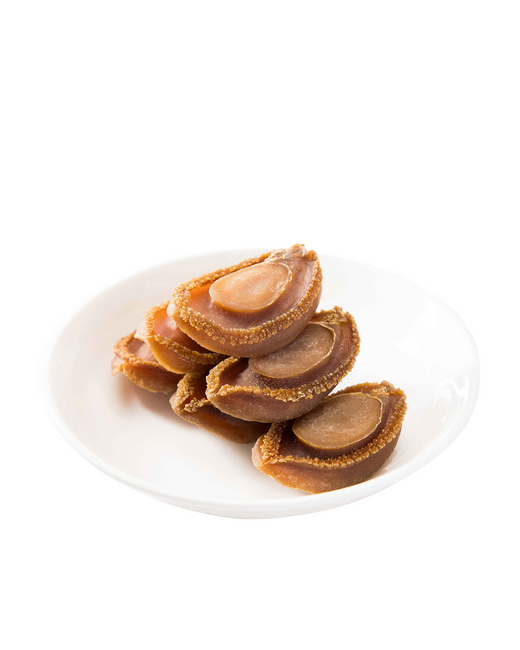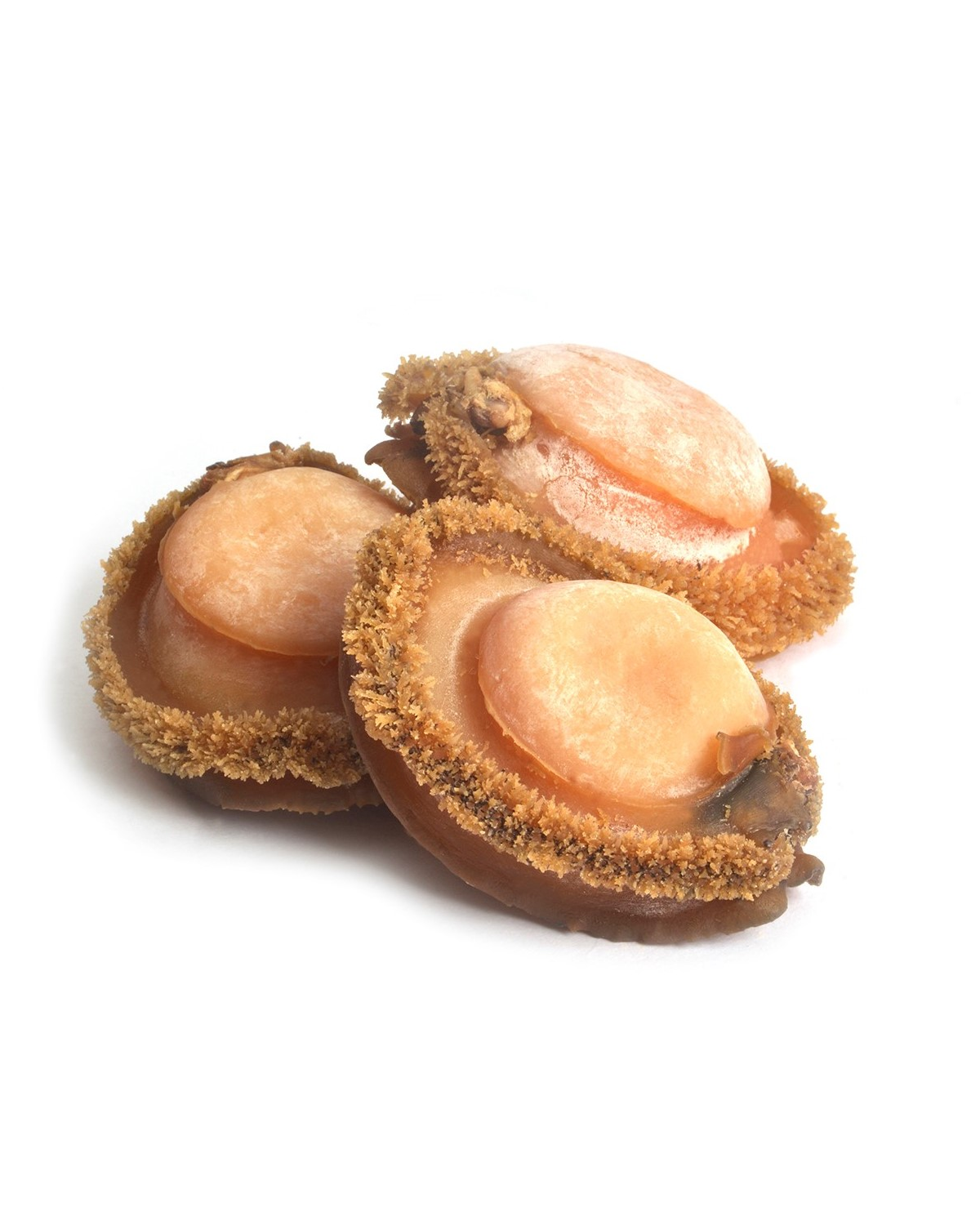
How is old-stock Japanese Kippin abalone valued? Record of 9 aged pieces found during a cupboard clearance in Sai Kung
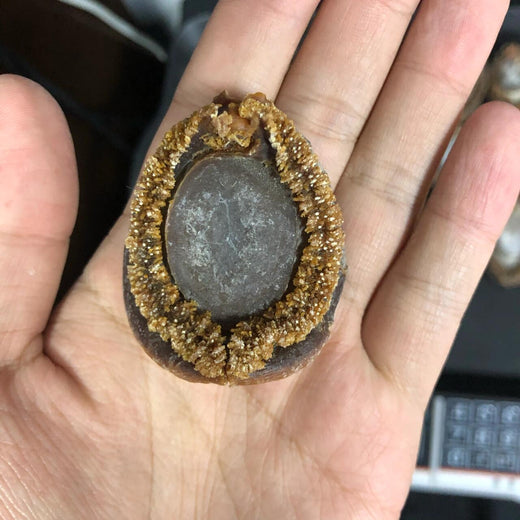
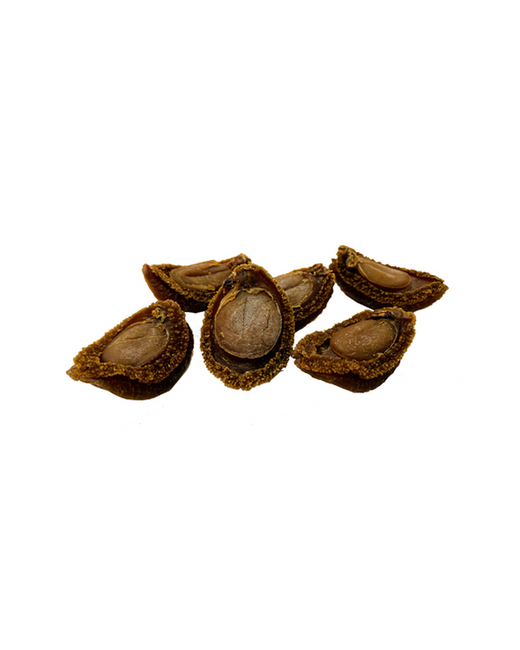
Before emigrating, a Sai Kung homeowner was clearing cupboards and found a box of old-stock Japanese Kippin abalone at the bottom of a camphor-wood chest left by an elder. Even the paper had yellowed, and the box contained 9 pieces. Some family members believed long storage must mean quality, while others worried the goods might have become mouldy. With no agreement, the greatest risk was disposing of the batch casually before understanding it. From the first photograph, we could see that an in-person inspection was worthwhile. We explained how to photograph the front, back, and side thickness for an initial assessment, but accuracy still required handling and weighing every physical piece.
You can begin an appraisal this way:If you have Kippin abalone, first use photographs to show its head count, skirt, degree of sugar-heart development, dryness, and storage aroma clearly. We will provide an initial direction, while the actual price is confirmed only after every physical piece has been verified during an in-person inspection. For aged stock, dryness and storage aroma require particular attention; age is only one reference point.
The appraiser will normally ask:The greatest pricing risk with dried abalone is one blanket price for a mixed batch. Complete pieces, chipped edges, and moisture-affected aged Kippin abalone must be calculated separately for fairness.
To establish an initial baseline before deciding whether to sell, first see Further reading on the dried-abalone market. Its guidance on head count, sugar hearts, and old stock covers exactly what is later checked during a photographic appraisal.
A formal inspection cannot be based merely on calling the goods attractive; each factor must be separated and verified. When these 9 pieces arrived, we assessed four points:
- Head count determines size: on physical inspection, the batch was approximately six- or seven-head per catty, a neat middle-to-upper size for Kippin abalone. A lower head count means a larger and more valuable piece.
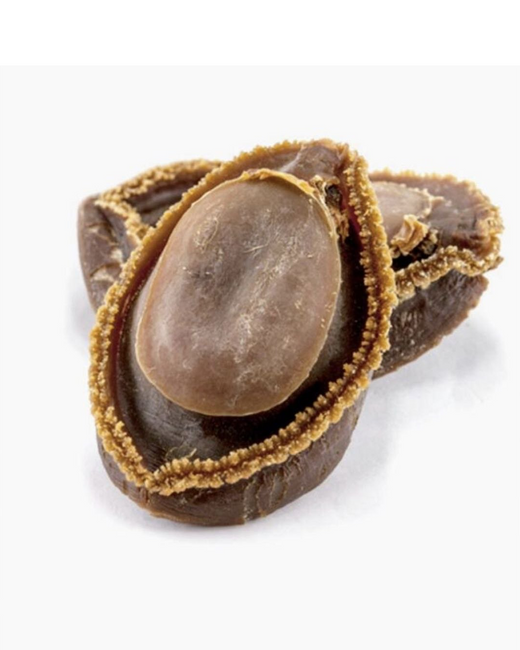
- Assess ageing for old-stock grade: tightened edges, a deepened sugar heart, and a layer of natural oily bloom on the surface provide evidence of aged old stock, rather than relying on old paper packaging.
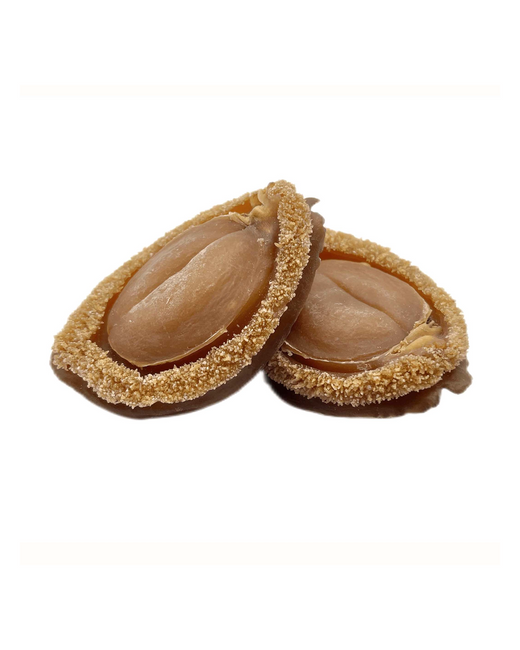
- Let the sugar-heart cross-section provide the evidence: the centre of top-grade old Kippin abalone should have a semi-set sugar-heart texture, an amber caramel colour, and translucency under light. Cutting this batch revealed those qualities.
- Skirt and patina: an ingot-shaped body, a complete skirt without chips, a developed oily patina, and no mouldy or musty storage smell. Only when all these qualities are present does a piece reach the stronger price tier.
Across all four factors, this old Kippin batch had been stored properly and showed the expected sugar hearts and old-stock ageing. The quotation reflected those qualities, while the neatest and largest individual pieces commanded the strongest unit prices.
Before bringing in the goods, take clear photographs of the Kippin abalone
If you already have the relevant details, WhatsApp us directly on 69035182 with photographs of the front, back, skirt, and base, plus weight details. Also mention whether it is a bulk batch, gift-boxed, or aged. The appraiser will first explain the likely direction.
Where values usually differ among Kippin abalones
In short, we calculate every piece separately rather than assigning one vague price to an entire old-pack box. The value gap can be wide between well-preserved old Kippin abalone and pieces that have lost colour. Moisture, cracks, oil seepage, or aroma loss and their deductions are also pointed out on the spot rather than mentioned only after taking the goods. Market values move with prevailing conditions; for recent trends, first see Related dried-abalone buyback items. For practical transaction arrangements, see Assessing dried-abalone head count and sugar heart.
Appraisal clues for categories similar to Kippin abalone
- Authentication and buyback of Japanese Kippin dried-abalone gift boxes
- Buyback of Japanese Kippin dried abalone, authenticated by its ingot shape
- Selected wild cordyceps buyback with cash payment on the spot
Further information on storing and valuing Kippin abalone
- Further reading on the dried-abalone market
- Assessing dried-abalone head count and sugar heart
- Related dried-abalone buyback items
- Assessing dried-abalone head count and sugar heart
How to contact us when preparing a Kippin abalone price enquiry
Kam Hoi Shing | Dried-abalone inspection booking
Contact: 69035182
For a bulk batch or gift boxes of aged Kippin abalone, it is best to include photographs of the full batch and close-ups. On arrival, each physical piece is verified, and the price calculation is explained face to face.