How Is a Mixed Bulk Cordyceps Collection Split for Valuation? A Family Collection in Sai Kung
Before emigrating, a customer in Sai Kung cleared a cabinet and found four or five boxes of cordyceps of various sizes in an elder relative's drawer, together with loose stock totalling approximately 200 g. Storage periods ranged from two or three years to nearly ten years. The customer's main concern was not simply hearing an attractive price, but understanding exactly how the sum was calculated. A family collection should never be bought at one flat price: even within Nagqu cordyceps, early golden stock and later harvests can differ appreciably in unit price. The photos suggested that a door-to-door inspection was worthwhile, so we arranged a time in advance and avoided making the elderly family member wait for half a day. The formal offer remained subject to examining individual physical pieces and weighing the goods.
To avoid a wasted journey, check these points first:For a door-to-door cordyceps inspection, avoid relying on a flat price alone. Photos first show the legs, cross-sections, fungal aroma, dryness and proportion of broken pieces; an inspection is then arranged if needed, with all additions and deductions explained in person. Complete information makes the initial range much closer and may save an unnecessary trip.
To avoid an overly wide valuation range, prepare the following:Do not photograph only the cordyceps box. Spread out several pieces and take close-ups of the legs, stromata and cross-sections for a much more accurate assessment. The proportion of broken pieces, damp smell and piece count directly affect the buyback range.
If you have a similar mixed lot and want a preliminary understanding before proceeding, start with Key grading points before obtaining a cordyceps valuation; the origin, specification and storage methods described there are precisely the points checked during a visit.
The first step in a cordyceps valuation: take close-up photos
Photos can only indicate a direction; individual pieces are verified once the physical goods are in hand. In this bulk lot, we divided the goods into three groups by origin, harvest period and dryness:
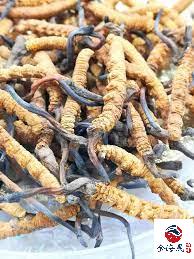
- Early-season golden Nagqu cordyceps: Golden in colour, with short, thick stromata, full insect bodies and a distinct fungal aroma; this was the most valuable group in the batch.
- Ordinary Nagqu cordyceps: Brownish in colour, medium in size and fully dry, placing it in the middle tier.
- Mixed loose cordyceps with broken pieces: This group contained broken and small pieces, with only average integrity, so deductions were made for piece count and weight.
After grouping, we valued each group separately rather than blending the early golden cordyceps into the mixed loose stock and lowering the average. Based on the current wholesale market, the batch as a whole was in the upper-middle range, with the early-season group commanding the highest unit price.
A door-to-door inspection valuation must first pass these checks
For a quicker initial direction, WhatsApp 69035182 Send photos of the full box spread out, close-ups of the legs and cross-sections, and the weight. We first determine whether an inspection is worthwhile, then arrange a visit or shop appointment if the price direction is suitable.
Practical questions and answers before valuing cordyceps
When clearing a home, the goods should not be undervalued simply by being labelled a mixed lot. We know how to distinguish authenticity and grade: genuine cordyceps has four pairs of legs, the first three pairs fine and the rear pair thicker, regular rings, a chrysanthemum-like cross-sectional pattern and a natural fungal aroma. Counterfeits such as Yaxiangbang cordyceps have only three pairs of legs and no fungal aroma, making them apparent on inspection. Only by examining each piece can we explain which groups carry value and which require deductions, without glossing over the differences.
- Value-adding features first: We point out individually how early-season colour, substantial weight, dryness and a pure fungal aroma add value.
- Then value-deducting features: We explain how a damp smell, broken pieces and discolouration lower the price, rather than raising deductions only after taking the goods.
- Quote by batch: Early-season, ordinary and loose stock are valued separately, and mixed lots are also split for assessment.
To obtain an initial direction for an entire batch, start with Cordyceps market categories; when you decide to sell, follow Key grading points before obtaining a cordyceps valuation to make arrangements.
For more cordyceps market information, start with these pages
- Today's Tibetan cordyceps prices with door-to-door authentication
- Buyback of medium-large Nagqu cordyceps across all eighteen Hong Kong districts
- Buyback of a trader's male fish maw collection in Sheung Wan
Send these photos before arranging a cordyceps inspection
- Cordyceps valuation reference articles
- Key grading points before obtaining a cordyceps valuation
- Cordyceps market categories
- Key grading points before obtaining a cordyceps valuation
Cordyceps value cannot be fixed by a single statement
Kam Hoi Shing | Arrange a cordyceps valuation
Contact:69035182
For an initial estimate of cordyceps, send photos of the full box spread out, close-ups of the legs and cross-sections, the weight and storage condition in one message. With clear information, we first explain the direction and arrange a physical inspection only if suitable.