Buyback of old Sumatran fish maw: clearing a bulk collection before emigration and grading a deep-sea aged batch in Prince Edward
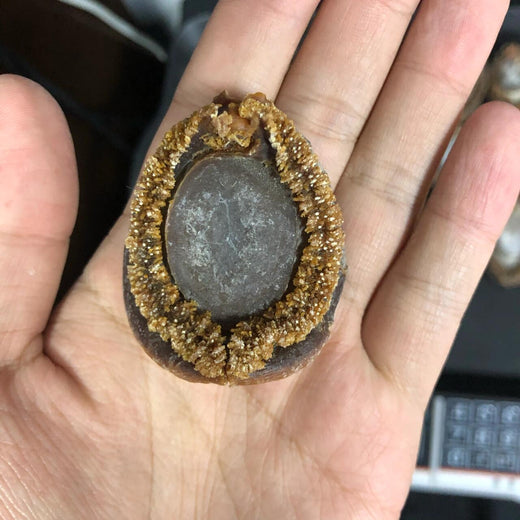
A customer in Prince Edward was emigrating and clearing the home before departure. The customer brought out an entire collection of old Sumatran fish maw left by a late family member, all Indonesian deep-sea wild-caught goods purchased in the late nineteen-nineties. When selling a full aged batch, the main risk is accepting a quick blanket price. Even at the same age, small differences in shape, natural oils, and dryness can create a noticeable difference in unit price. After reviewing the photographs, we considered the goods worth inspecting in person and arranged a home visit, sparing the customer a wasted journey during the move. The final price remained subject to handling, inspecting, and weighing every physical piece.
The first step toward a transparent sale is to:Clearly state the thickness, grain, dryness, and any insect damage of the old fish maw. Do not say only that it was 'a gift from a friend' or 'stored for many years'. An initial assessment provides direction, followed by verification of every piece in person, producing a much firmer figure. With aged goods, dryness and storage odour require particular attention; age is only one reference factor.
Before requesting a quote, check the following:To sell aged old fish maw with a clear understanding of its value, first state the weight, sex, grain, and storage condition. Disclosing cracks, insect damage, or damp spots early actually helps make the estimate more accurate.
If you have a collection left by an elder and want an initial understanding before proceeding, start with Fish-maw grading and storage essentials. The variety, dryness, and storage points explained there are exactly what we verify item by item during an in-person inspection. Reading it before sending appraisal photographs makes the process much clearer.
First determine whether the old fish maw merits an in-person inspection
A cupboard clearance under time pressure needs an especially efficient process. We handled this batch in three steps:
- Send photographs to establish the direction: WhatsApp a full-batch photograph and close-ups of individual pieces, along with the approximate weight. We first explain an indicative range and the deductions requiring attention.
- Inspect every piece during a home visit: colour differences and camera angles prevent photographs from setting a final price. At the agreed home visit, we weigh every piece, assess dryness, and check the transverse grain and edges, explaining each point face to face.
- Settle on the spot: once the price is agreed, payment is made in full by cash on the spot, with no wait for a transfer and in time for the moving deadline.
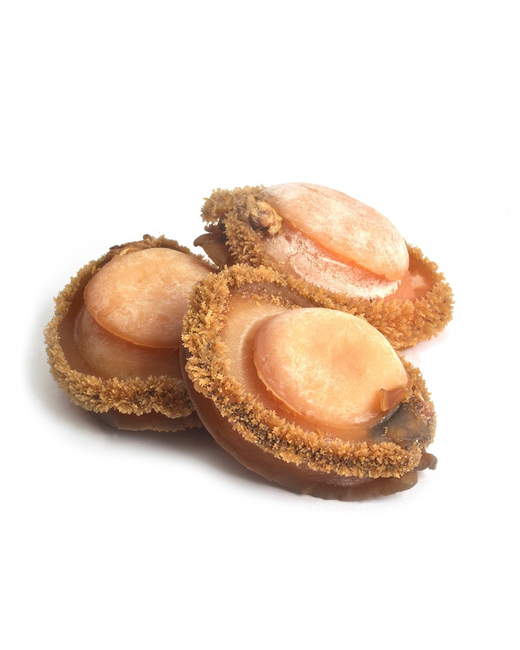
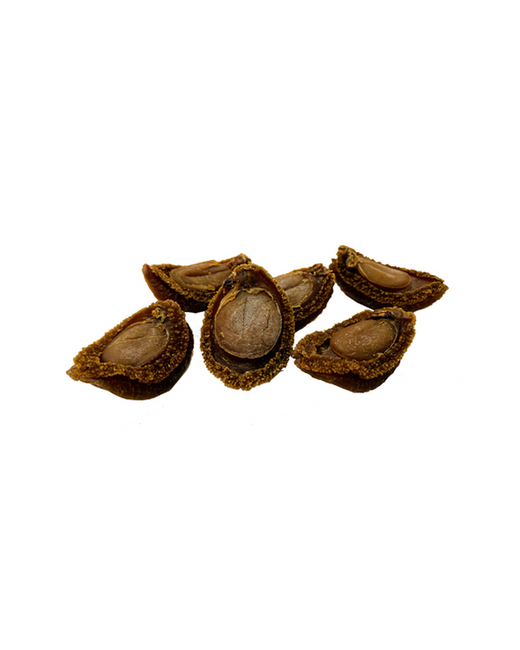
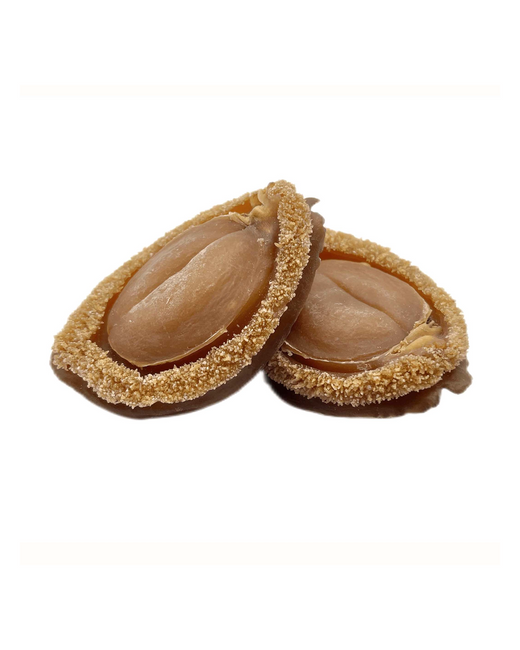
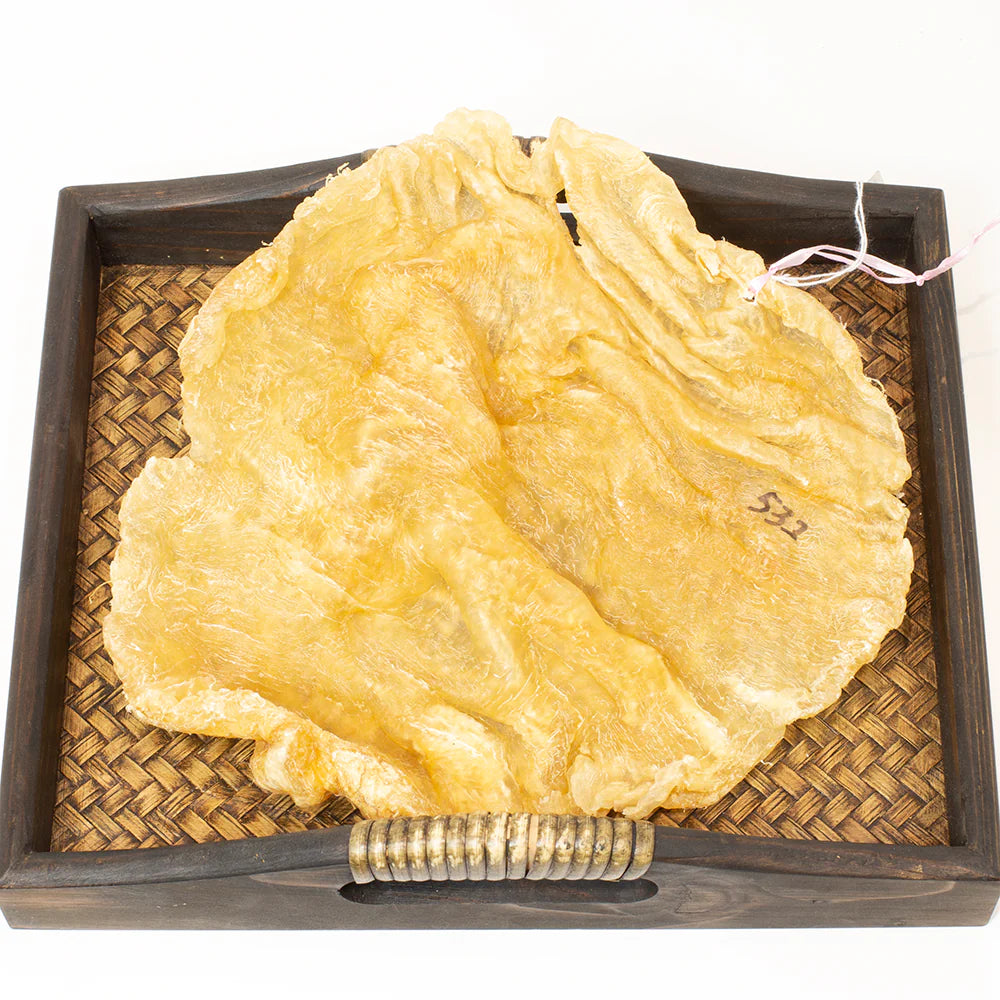
We assessed the batch mainly on four points: the depth and distinctiveness of the transverse grain, whether natural oils had emerged, the dryness of the fish maw, and the colour tones after fifteen years of ageing. The customer's batch had a highly distinctive transverse-grain pattern, natural oil development, and deep texture, placing it within a rare deep-sea wild-caught aged grade. Taken together, its unit price was above the recent market average.
If you already have the relevant details, WhatsApp us directly on 69035182 with photographs of both sides, the thickness, and close-ups of the grain. Also mention whether it is a bulk batch, gift-boxed, or aged. The appraiser will first explain the likely direction.
Why old fish maw prices vary
Goods found during a cupboard clearance often mix old and new pieces of different thicknesses. The main risk is a buyer who does not separate them and covers the entire lot with one price. We focus on three areas and explain each one:
- Clear grading: every piece is classified by variety and ageing, distinguishing collector-grade pieces from those suitable only for personal use, so the most valuable items are not blended into a lower average.
- All positive factors and deductions explained: colour, transverse grain, and natural oils support the value, while a damp smell and cracks lead to deductions. We lay everything out before taking the goods rather than introducing points afterwards.
- Close alignment with the market: the quotation follows first-hand wholesale trends and gives the customer a basis for comparison rather than only one total.
To compare recent trends for similar goods, first see Related fish-maw buyback items, then follow Fish-maw grading and storage essentials to arrange an in-person inspection.
Reference points for old fish maw in different conditions
- Buyback of a 50-catty bulk batch of old male fish maw
- Premium aged spider fish maw buyback, authentication, and appraisal
- Buyback of selected early-season Nagqu cordyceps with a rich fungal aroma
Recommended information before continuing to store aged goods
- Further reading on the fish-maw market
- Fish-maw grading and storage essentials
- Related fish-maw buyback items
- Fish-maw grading and storage essentials
To deal with aged stored goods more quickly, send photographs first
Kam Hoi Shing | Fish-maw appraisal arrangements
Contact: 69035182
For an initial estimate of old fish maw, send photographs of both sides, the thickness, close-ups of the grain, the weight, and storage condition in one message. Once the information is clear enough, we will explain the likely direction and arrange a physical inspection only if it suits you.