Does a quoted price from a Tibetan supply region hold in Hong Kong? Today's Tibetan cordyceps price, with inspection and payment on the spot: a Yuen Long customer case
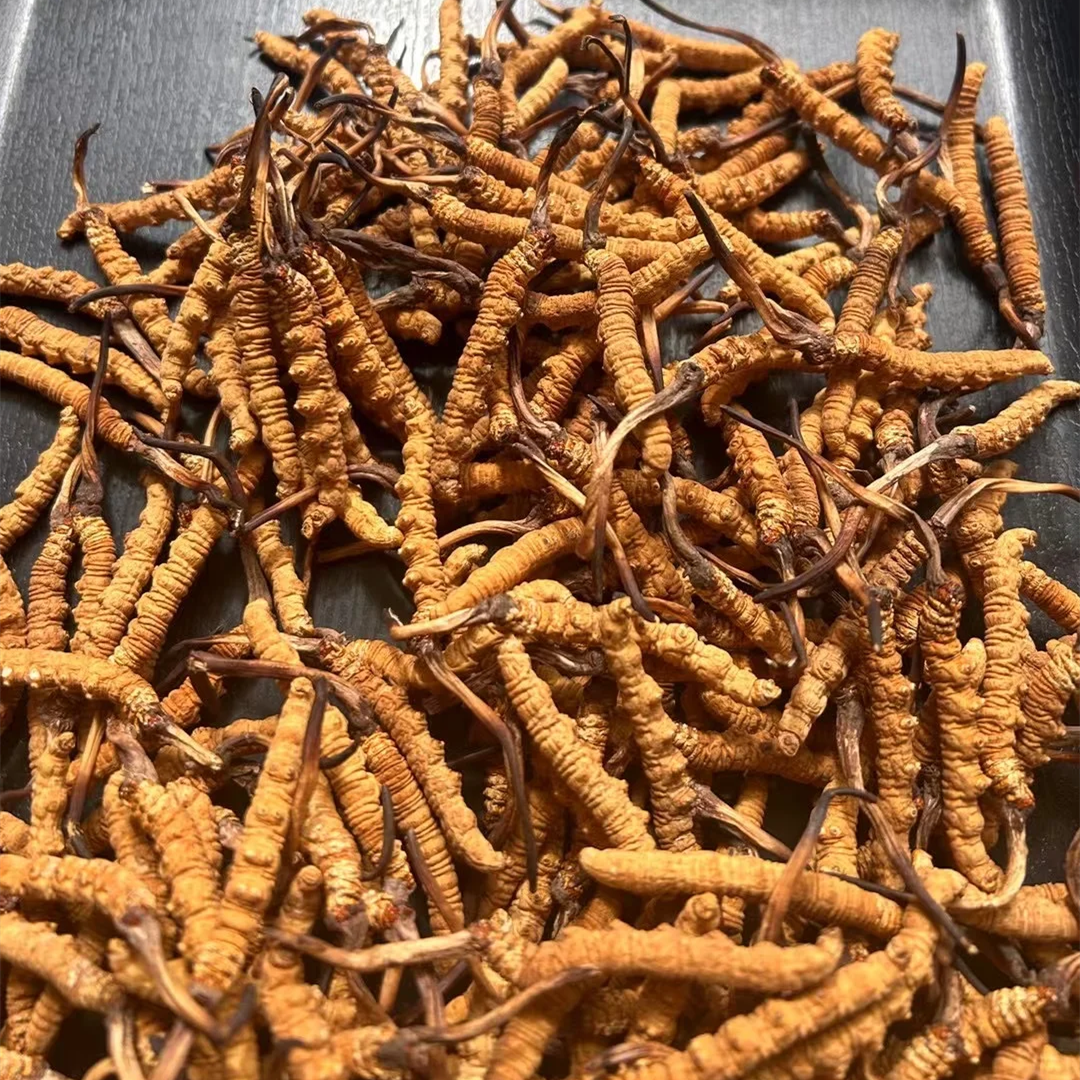
A customer in Yuen Long had received a price list from a supplier in a Tibetan region but lacked a market baseline and worried that a false market quote could be misleading. The customer therefore brought the full batch to us for a face-to-face comparison with a Hong Kong specialist. The collection had been stored for several years, and before selling, the customer principally wanted to know its actual buyback value in Hong Kong and the gap from the Tibetan-region quotation. We began with the physical goods, then separated and explained every factor on the spot before discussing a price.
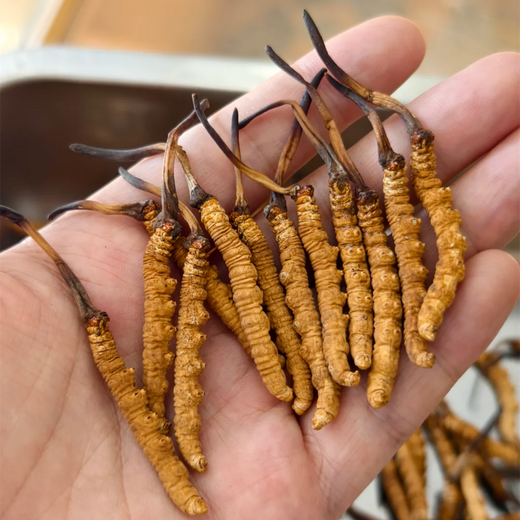
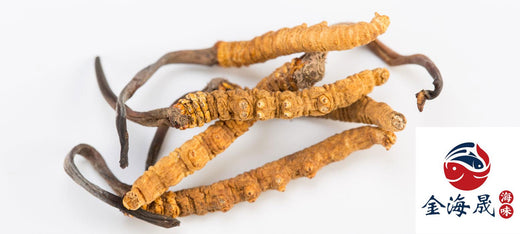
To sell with a clear understanding, first:First explain the leg features, cross-section, fungal aroma, dryness, and proportion of broken pieces in the Tibetan cordyceps, rather than saying only that it was a gift from a friend or had been stored for many years. Once an initial direction has been established, samples are checked piece by piece during the in-person inspection, producing a more concrete figure. A firm price has little meaning before authenticity has been established.
Before requesting a quote, check the following:When authenticating Tibetan cordyceps stored for several years, the principal concerns are moisture exposure, changes in smell, and an excessive proportion of broken pieces. Only stock kept in good condition can be discussed at a higher grade.
If you are still unsure of the grade of your Tibetan cordyceps, first see Cordyceps grading by origin and piece count for more practical guidance. We use the same criteria when explaining an on-site valuation.
First determine whether the Tibetan cordyceps warrants an in-person inspection
Before making a quotation, we first check for clear deductions and then assess whether the condition supports a higher grade. In this case, we reviewed every factor in front of the customer:
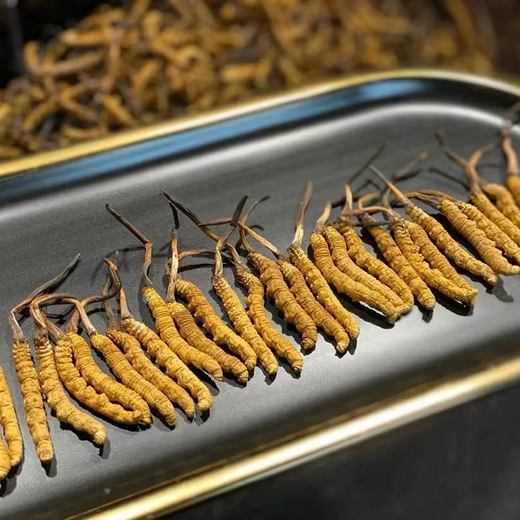
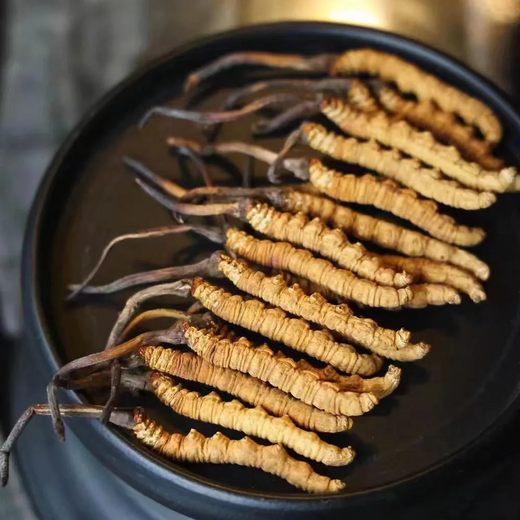
- Positive factors: full bodies, thick and sufficiently heavy pieces, clear four pairs of legs and body rings, and short, firm fruiting bodies support a higher tier consistent with early-season Tibetan Nagqu condition.
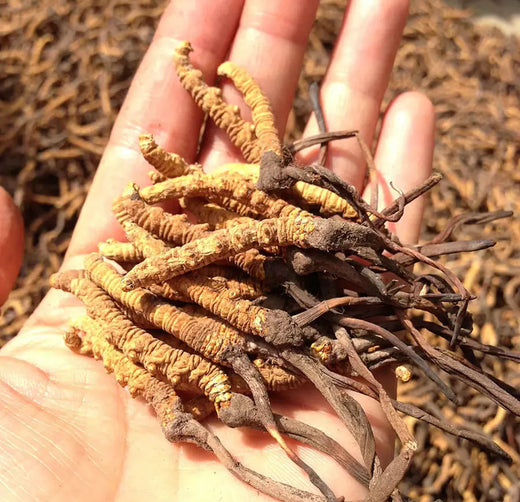
- Deductions: the fruiting bodies in this batch were relatively long, indicating mid- to late-season stock with slightly lower fullness. Fortunately, the pieces were fully dry and free of mould spots, so the deduction was limited.
- Compare the two market quotations: the Tibetan-region quote was about eighteen per cent below the Hong Kong buyback price, within a reasonable wholesale gap. A very small gap usually indicates resale by a Hong Kong intermediary, while an excessively large gap calls for caution about mixed or fake goods.
Taking all factors together, the final quotation was close to the primary-market level and the customer accepted it on the spot. By origin, Nagqu occupies the top tier, followed by Yushu. Xinjiang cordyceps and Yaxiangbang substitutes are different grades and are not purchased at the Tibetan Nagqu price.
Why Tibetan cordyceps has higher and lower values
- Send photographs for a market comparison: WhatsApp 69035182 with photographs of the physical goods, their piece count, and weight. We will first provide a verbal market range free of charge and without obligation.
- Home or shop inspection: bring the goods to the shop or arrange a home visit. We handle each piece to authenticate it, measure dryness, inspect the fruiting body, and explain every positive factor and deduction.
- Payment on the spot: once the figure is agreed, the goods are weighed on an electronic scale and settled immediately, without postponement or introducing deductions only after inspection.
If several cordyceps varieties have been mixed with this batch at home, first use Related cordyceps buyback items to distinguish the categories. For purchase arrangements, see Cordyceps grading by origin and piece count.
Reference points for Tibetan cordyceps in different conditions
- Buyback of medium-large Nagqu cordyceps across all eighteen Hong Kong districts
- Buyback of selected early-season Nagqu cordyceps with a rich fungal aroma
- Home inspection and buyback of Japanese Kanto spiky sea cucumber
Recommended information before authentication and grading
- Further reading on the cordyceps market
- Cordyceps grading by origin and piece count
- Related cordyceps buyback items
- Cordyceps grading by origin and piece count
For faster authentication and grading, first send photographs
Kam Hoi Shing | Cordyceps appraisal arrangements
Contact: 69035182
For an initial estimate of Tibetan cordyceps, please send a photograph of the full box spread out, close-ups of the legs, a broken cross-section, the weight, and storage condition all at once. Once the information is clear enough, we will give an initial direction and arrange an in-person inspection only if appropriate.