Worried that the goods are fake or artificially weighted? Authenticate Nagqu cordyceps before discussing today's buyback price: a Hung Hom customer case
A customer in Hung Hom had bought a batch of cordyceps in a tourist area years earlier at a substantial price and only now wanted to sell. The customer remained uncertain, worrying that Yaxiangbang substitutes had been mixed in or that bamboo sticks or lead powder had been inserted to increase the weight. The practical concern was not hearing an attractive price immediately, but determining whether the batch was genuine Nagqu cordyceps and whether its weight had been manipulated. From the photographs, we judged that an in-person inspection was worthwhile and arranged a home visit to inspect every piece in front of the customer, resolving years of uncertainty.
We normally begin by checking:After receiving photographs for a Nagqu cordyceps authenticity assessment, we first assess the leg features, cross-section, fungal aroma, dryness, and proportion of broken pieces, then decide whether an in-person inspection is needed. Clearer information allows a much narrower quotation range. A firm price has little meaning before authenticity has been established.
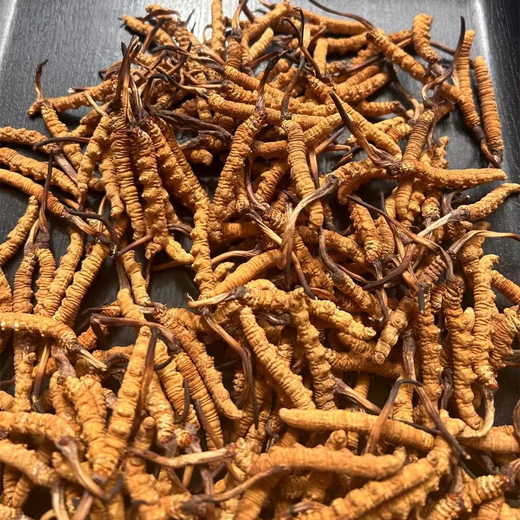
The points most easily missed with these goods are:A common problem with gift-boxed Nagqu cordyceps is that an attractive box can contain pieces of uneven condition. Include a close-up after spreading out the contents, and state the piece count, dryness, and broken-piece proportion separately.
To establish an initial baseline before proceeding, start with What to know before an in-person cordyceps inspection. Its guidance on origin, specification, and dryness covers exactly what is checked during an in-person inspection.
What to do before arranging an in-person Nagqu cordyceps inspection
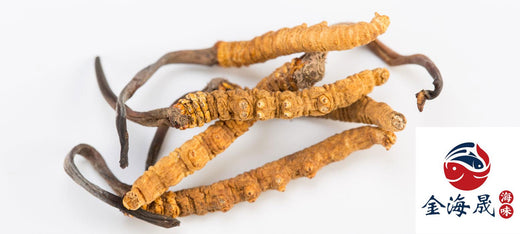
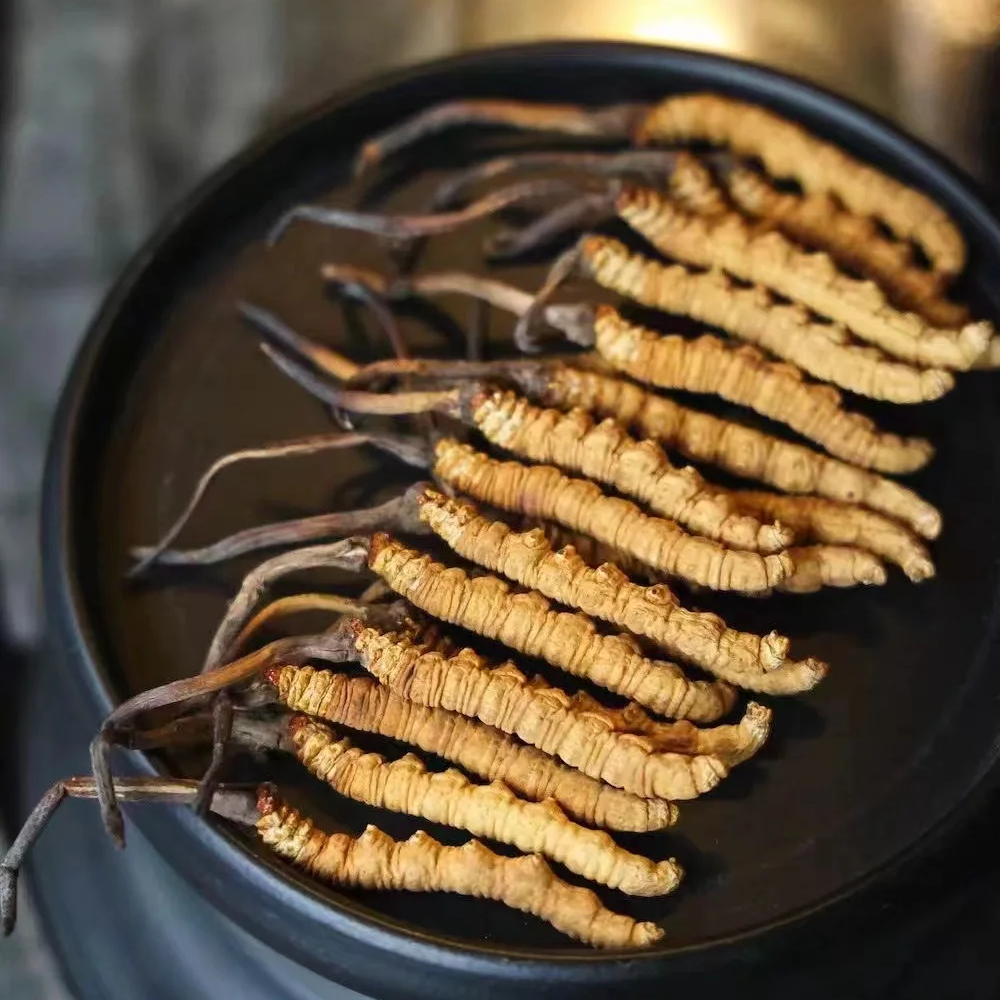
Photographs can indicate only a broad direction; authenticity requires handling the physical goods. For genuine Nagqu cordyceps, we check the following features, and a missing feature raises questions:
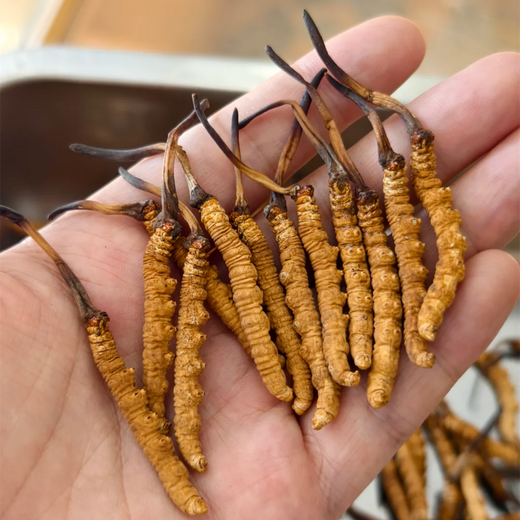
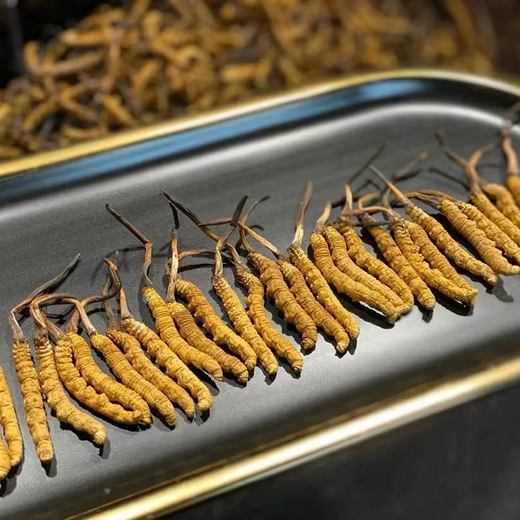
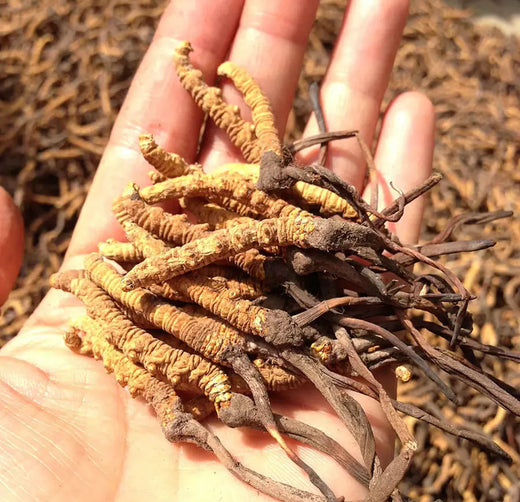
- Legs and body rings: genuine cordyceps has four pairs of legs, with the first three pairs finer and the pair near the head and tail thicker, together with dense, regular body rings. A Yaxiangbang substitute has only three pairs of legs and irregular rings, revealing the difference on inspection.
- Cross-section and fungal aroma: a broken cross-section shows a regular chrysanthemum-like pattern and an off-white colour, while the piece has a light natural fungal aroma at close range. Dyed or sulphur-treated goods have an unnatural or even pungent smell.
- Fruiting body and weight in hand: a short, firm fruiting body at the head indicates good stock. Pieces containing inserted bamboo sticks or lead powder feel abnormally heavy, and the cross-section reveals impurities.
Only genuine goods with no artificial weighting proceed to valuation. By origin, Nagqu occupies the top tier, followed by Yushu in Qinghai. Xinjiang cordyceps and Yaxiangbang substitutes are different grades and are not purchased at the Nagqu price.
How an appraiser determines the grade of Nagqu cordyceps
If convenient, first WhatsApp 69035182 with photographs of the full box spread out, close-ups of the legs, a broken cross-section, the approximate weight, and storage condition. We will first provide a reference range and arrange an in-person inspection if the direction is suitable.
Common questions before selling Nagqu cordyceps
- First explain the evidence of authenticity: we point out every feature showing genuine Nagqu origin and every reason substitutes or artificial weighting have been excluded.
- Then explain positive factors and deductions: piece count and gram weight, origin, dryness, and early-season golden grade add value. We explain how a damp smell, broken pieces, or blackening reduce the value rather than mentioning them only after taking the goods.
- Check whether the figure corresponds with the market: using the day's wholesale market as the baseline, we explain which level the batch approaches rather than merely calling it good stock.
If you are not yet ready to sell, first review the relevant information: Cordyceps buyback categories explains the market direction, while What to know before an in-person cordyceps inspection explains the transaction arrangements.
Further information: how Nagqu cordyceps is graded
- Premium Nagqu cordyceps buyback: selling a gifted box
- Selling cordyceps received from friends or relatives, with loose and gift-boxed goods accepted
- Premium aged spider fish maw buyback, authentication, and appraisal
If you have Nagqu cordyceps to sell, first ask for an initial direction
- Further cordyceps buyback information
- What to know before an in-person cordyceps inspection
- Cordyceps buyback categories
- What to know before an in-person cordyceps inspection
The final Nagqu cordyceps quotation remains subject to the physical goods
Kam Hoi Shing | Nagqu cordyceps inspection at your premises or our shop
Contact: 69035182
To arrange a Nagqu cordyceps appraisal quickly, provide a clear photograph of the full box spread out, close-ups of the legs, a broken cross-section, and the weight. If the indicative direction is suitable, arrange a time; once everything is confirmed, settlement is made on the spot.