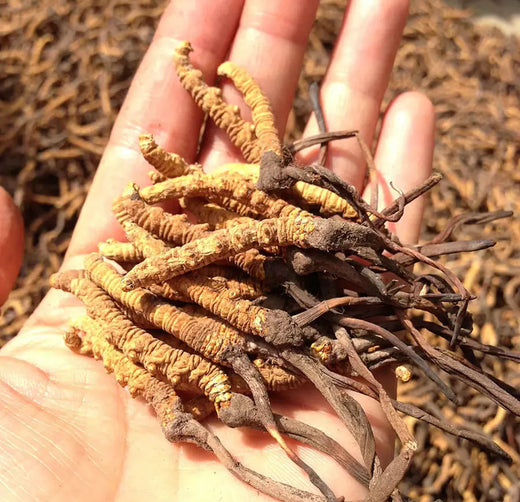
Selling a catty-scale batch of Nagqu cordyceps quickly: a real To Kwa Wan case priced by sampling 1.5 kg
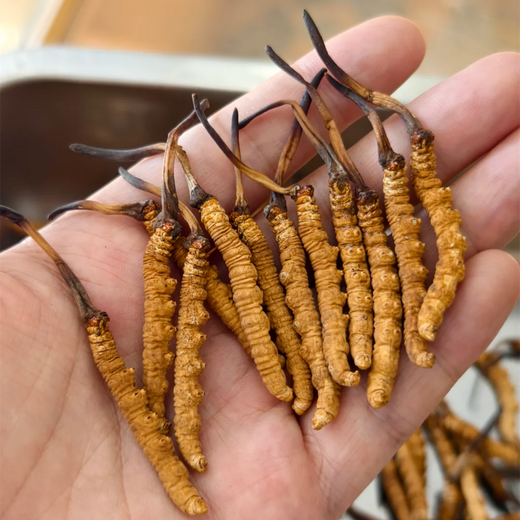
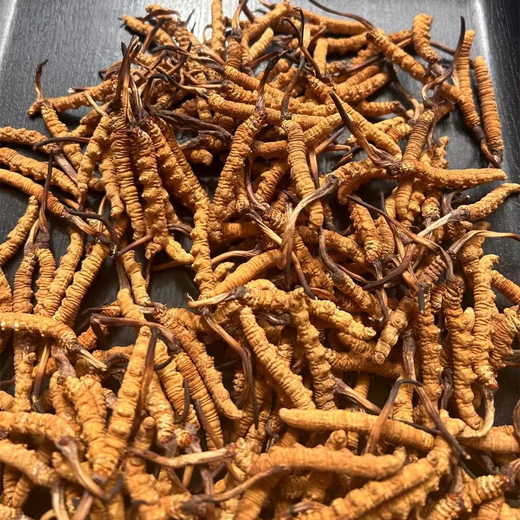
A customer in To Kwa Wan sent photographs of 1.5 kg of Nagqu cordyceps. The customer was emigrating and needed to sell it within a short time, preferably as one complete batch with immediate payment. A batch this large should not be bought at a rigid blanket 'price per catty'. Differences in condition, dryness, and the proportion of full specimens can account for a substantial value gap. The photographs suggested that an in-person inspection was worthwhile, so we first gave an indicative direction and then arranged a home visit.
To avoid a wasted journey, check these points first:With bulk clearance of Nagqu cordyceps, relying on a single blanket quote is the main risk. Photographs are first used to check the legs, cross-section, natural fungal aroma, dryness, and proportion of broken pieces. If needed, we then arrange a physical inspection and explain all positive factors and deductions in person. For a bulk clearance, include the total weight and condition of each group so the initial estimate is not excessively broad.
To obtain a narrower estimate, prepare the following:Do not photograph only the box of Nagqu cordyceps. Spread out several pieces and show their legs, stromata, and broken cross-sections for a much more accurate assessment. The proportion of broken pieces, any damp smell, and the count all directly affect the buyback range.
Price differences in a bulk batch usually lie in the details. Before proceeding, compare your goods against the Key grading points before a cordyceps appraisal, which provides useful assessment criteria before the transaction.
First step in appraising Nagqu cordyceps: take close photographs
We do not price every specimen separately in a bulk batch; sampling is used to assess the whole. For this case, we followed three steps:
- Randomly sample 5 to 10 pieces to assess the grade: count how many make up one catty to distinguish large, medium-large, and medium grades.
- Assess dryness and fungal aroma across the batch: smell and handle several handfuls to see whether the batch is consistent and free from unusual odours.
- Calculate the proportion of full specimens: the share of full specimens and the presence of broken pieces or impurities directly determine whether the batch can be bought under one grade.
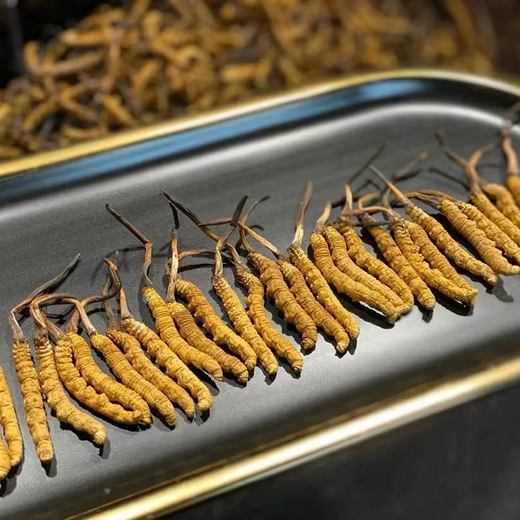
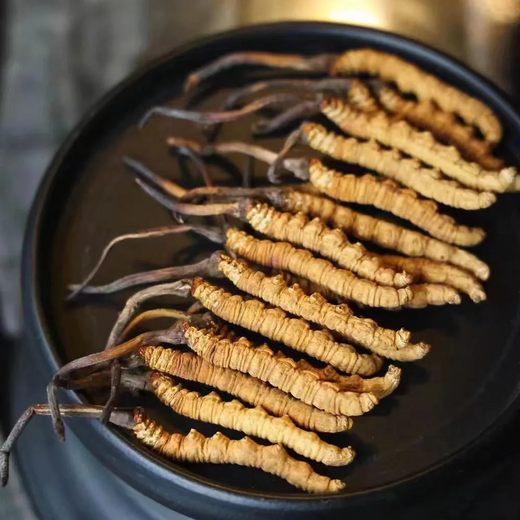
Of the 12 specimens sampled, 11 met the medium-large grade, at approximately 1800 pieces per catty. The batch had a consistent fungal aroma and no broken pieces or impurities, so it could be bought as a single high grade without pricing each handful separately.
If you are unsure whether an in-person inspection is worthwhile, first WhatsApp 69035182 with a photograph of the full box spread out, close-ups of the legs, broken cross-sections, and any defects. This avoids guesswork; each point will then be verified against the physical goods during the inspection.
A bulk-clearance price must pass these checks
The price is driven by several details considered together, not simply by the total weight:
- Grade consistency: only a batch with a stable count within one grade can support a single-grade price; a mixed batch must be separated into groups.
- Dryness and storage: a dry condition with no moisture exposure or mouldy smell supports a stable valuation.
- Origin: Nagqu ranks first, followed by Yushu. Xinjiang material and Ya Xiang Bang are lower-grade goods and are quoted separately.
This batch remained in good overall condition and was valued toward the higher end of comparable buybacks. To begin sorting other dried goods at home, first use the Cordyceps market categories to distinguish them, then follow the Key grading points before a cordyceps appraisal to arrange an in-person inspection.
Buyback experience with comparable Nagqu cordyceps
- Selling gift-boxed Nagqu cordyceps with an estimate from photographs
- Nagqu cordyceps buyback and authenticity assessment
- Bulk Liao sea-cucumber buyback with door-to-door service across all eighteen Hong Kong districts
For more on the Nagqu cordyceps market, start with these pages
- Cordyceps appraisal reference articles
- Key grading points before a cordyceps appraisal
- Cordyceps market categories
- Key grading points before a cordyceps appraisal
Send these photographs first to arrange an in-person Nagqu cordyceps inspection
Kam Hoi Shing | Nagqu cordyceps inspection at your premises or our shop
Contact: 69035182
To arrange a Nagqu cordyceps appraisal quickly, provide a clear photograph of the full box spread out, close-ups of the legs, a broken cross-section, and the weight. If the indicative direction is suitable, arrange a time; once everything is confirmed, settlement is made on the spot.