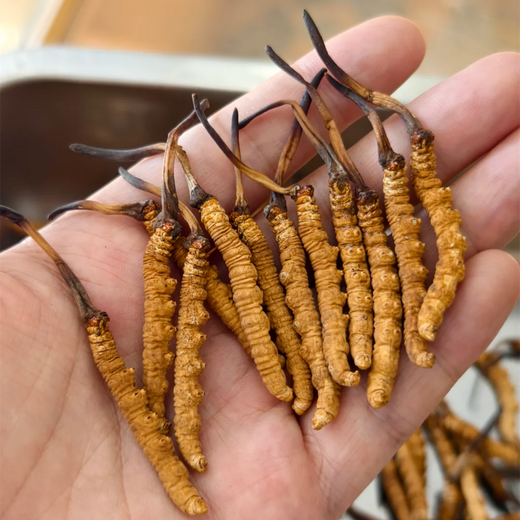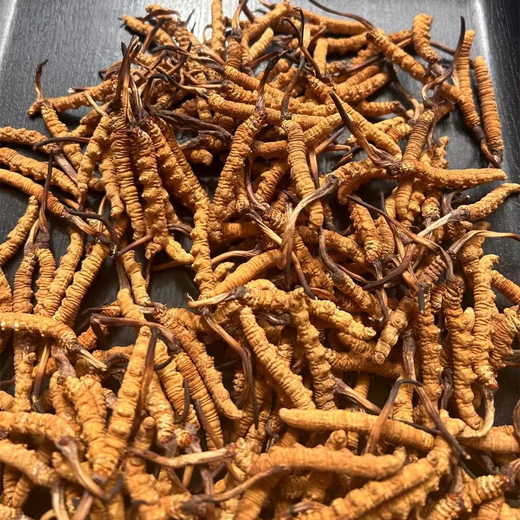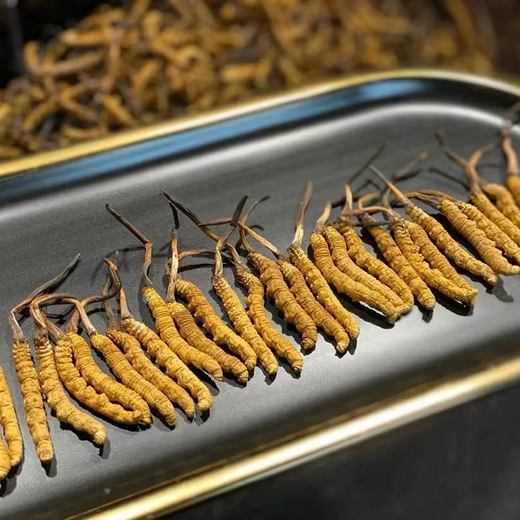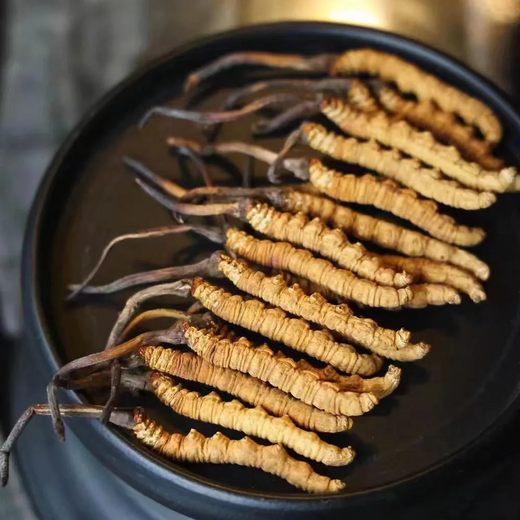
Can a photograph indicate the likely value? Record of a Tuen Mun customer's batch of personally selected wild cordyceps
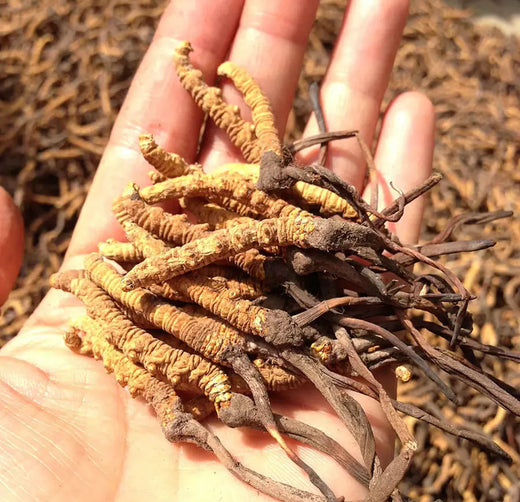
A customer in Tuen Mun travelled to Tibet several years ago and personally selected and purchased a batch of wild cordyceps, storing it in portions for two years. The customer now wanted to sell but did not want to carry the entire box out before knowing whether a transaction was feasible. The practical approach was to send several photographs by WhatsApp and provide the approximate weight in grams, allowing us to give a remote initial direction before arranging an in-person inspection. Values can vary greatly among selected-grade goods, so when reviewing the photographs we explained positive factors and deductions separately rather than merely claiming a competitive buyback.
The most important point before selling:Values can vary greatly for wild cordyceps sold in a cash transaction. The difference usually lies not in the name but in leg features, the cross-section, fungal aroma, dryness, and the proportion of broken pieces. Send photographs for an initial assessment, then arrange an in-person inspection only if the direction is suitable, avoiding a wasted journey. For an on-the-spot transaction, first state the weight and condition clearly to make the inspection much faster.
Add this extra step when sending photographs:A common problem with gift-boxed wild cordyceps is that an attractive box can contain pieces of uneven condition. Include a close-up after spreading out the contents, and state the piece count, dryness, and broken-piece proportion separately.
To establish an initial baseline yourself, start with What to know before an in-person cordyceps inspection. Its guidance on origin, dryness, and storage methods covers the same points verified during an in-person inspection.
Take a complete set of wild cordyceps photographs before a cash transaction
The clearer the photographs, the closer a remote estimate can be to the physical goods. For a photographic appraisal, take the following images:
- The full box in one photograph: show the quantity and arrangement of the full batch to help estimate the weight in grams and piece count.
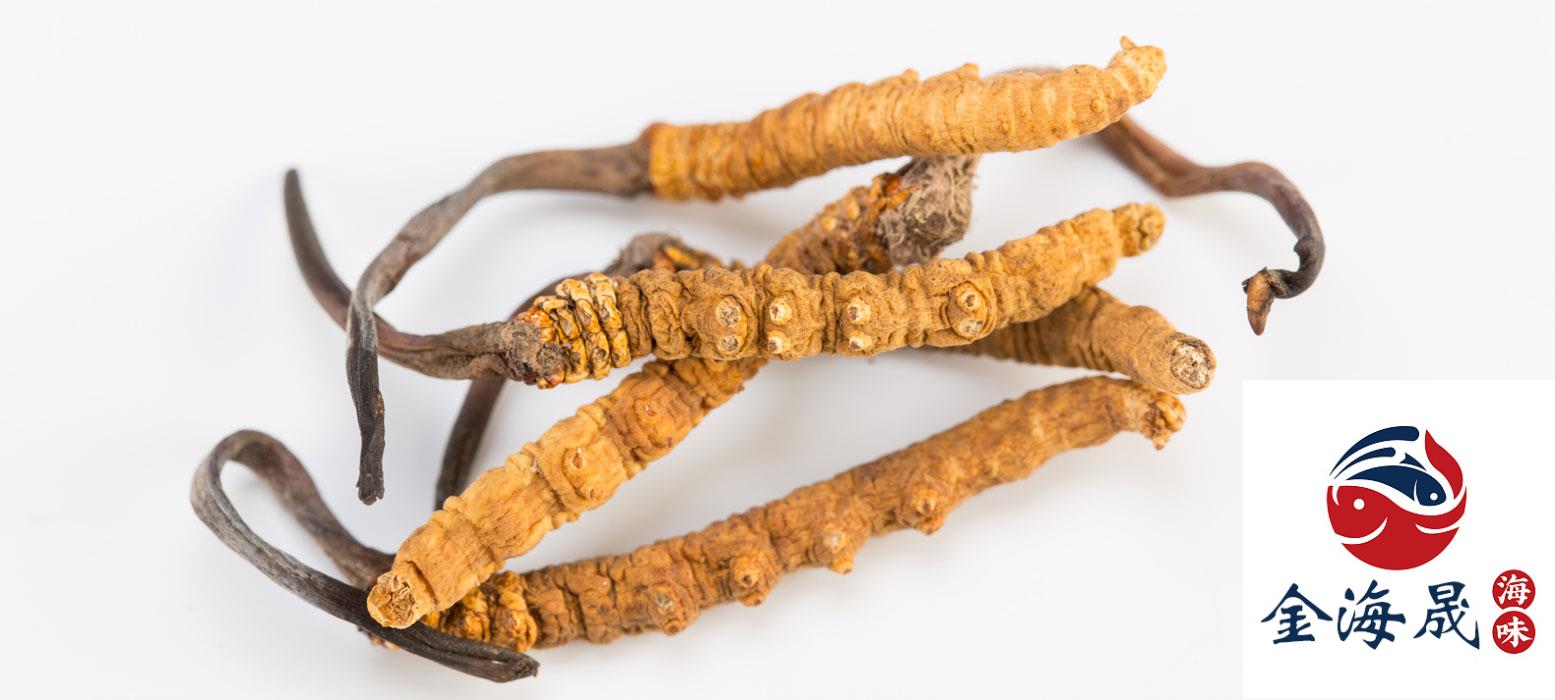
- Close-ups of the cordyceps bodies: clearly show the fullness of each body, the legs, and ring markings so that we can assess origin and authenticity.
- Cross-section and fruiting body: show whether the cross-section has a chrysanthemum-like pattern and the length of the fruiting body, which helps distinguish early- from late-season stock.
- Weight in grams: if you have scales, photograph the reading and state whether the goods are new or old and their source. This makes the initial estimate much more accurate.
If convenient, first WhatsApp 69035182 with photographs of the full box spread out, close-ups of the legs, a broken cross-section, the approximate weight, and storage condition. We will first provide a reference range and arrange an in-person inspection if the direction is suitable.
Details that affect a wild cordyceps quotation
The short answer is that selected grade cannot be established from one attractive photograph; each piece must meet the criteria. We principally assess the fullness rate, whether the bodies are rounded or hollow, the proportion of broken pieces, consistency of colour, and degree of dryness. More than ninety-five per cent of this batch comprised full pieces with consistent colour, no broken bodies, and no impurities, placing it in a relatively rare high-end selected grade in the market. Taken together, its buyback price was above the recent market average. Ordinary stock with weaker fullness and more broken pieces would fall by one grade.
This batch represents only one set of conditions. For an initial view of trends for similar goods, first see Cordyceps buyback categories, then follow What to know before an in-person cordyceps inspection to arrange an in-person inspection.
For wild cordyceps market comparisons, see these cases
- Buyback of early-season wild Nagqu cordyceps | Golden cordyceps
- Large-batch Nagqu cordyceps buyback with immediate payment
- Buyback of old-stock Japanese Kippin abalone in West Kowloon
Useful information before checking wild cordyceps prices
- Further cordyceps buyback guidance
- What to know before an in-person cordyceps inspection
- Cordyceps buyback categories
- What to know before an in-person cordyceps inspection
How to start a wild cordyceps price enquiry
Kam Hoi Shing | Cordyceps buyback contact
Contact: 69035182
If you have wild cordyceps and are unsure what to do with it, first send photographs. If an in-person inspection is worthwhile, we can arrange a home visit or shop appointment; there is no need to seek quotations everywhere at the outset.