As a company deeply rooted in the Hong Kong seafood recycling market for many years, [Jin Hai Sheng] has witnessed the evolution of fish maw from a simple nourishing food into a composite asset with medicinal, social, and investment attributes. Data shows that the Chinese fish maw market size grew to approximately HK$54.5 billion (equivalent to RMB 50.5 billion) in 2026, and is projected to exceed HK$87 billion by 2030. Faced with such a massive market, which varieties of fish maw truly possess the potential to "outperform gold"? This article will provide an in-depth analysis of the value logic of fish maw collection in 2026 from the professional perspective of a recycler.
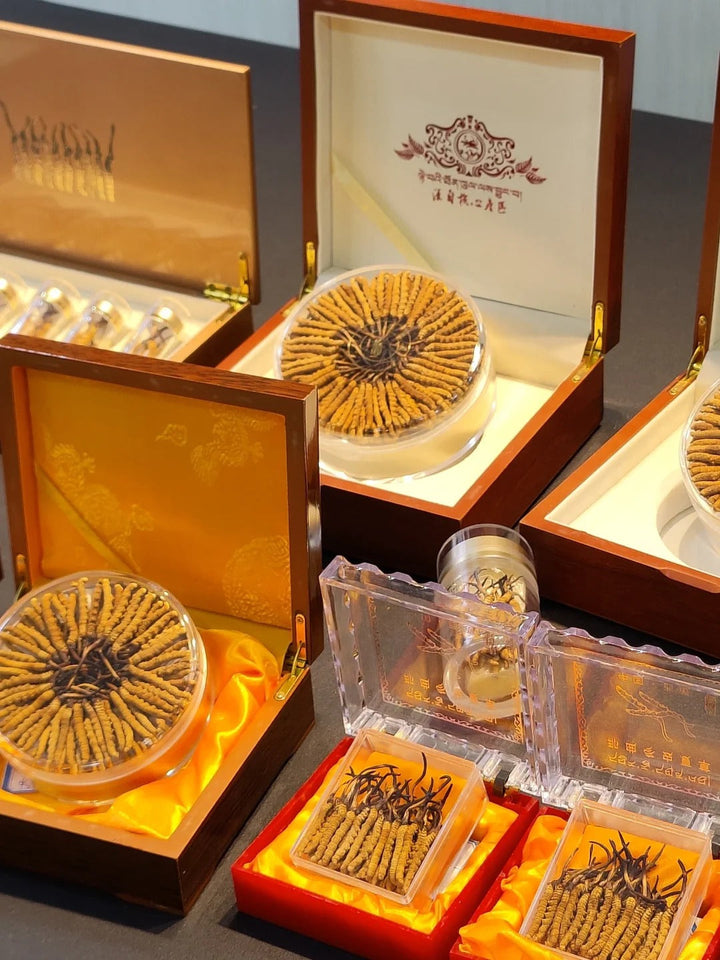
In today's world of frequent changes in urban living spaces, relocation or deep cleaning often becomes a comprehensive audit of a family's hidden assets. When moving and organizing their closets, many people often discover valuable Chinese medicinal herbs that have been forgotten for years in dark corners, with cordyceps, known as "soft gold," being the most common.
When faced with "aged cordyceps" that have been stored for up to 5 years, the holders are usually most concerned about two questions: How much can this batch of cordyceps still be sold for? And is it still edible? As a professional recycler, Jin Haisheng will today provide you with an in-depth analysis of the monetization value of aged cordyceps from the perspectives of biochemical degradation mechanisms, market conditions in 2025, and professional identification.
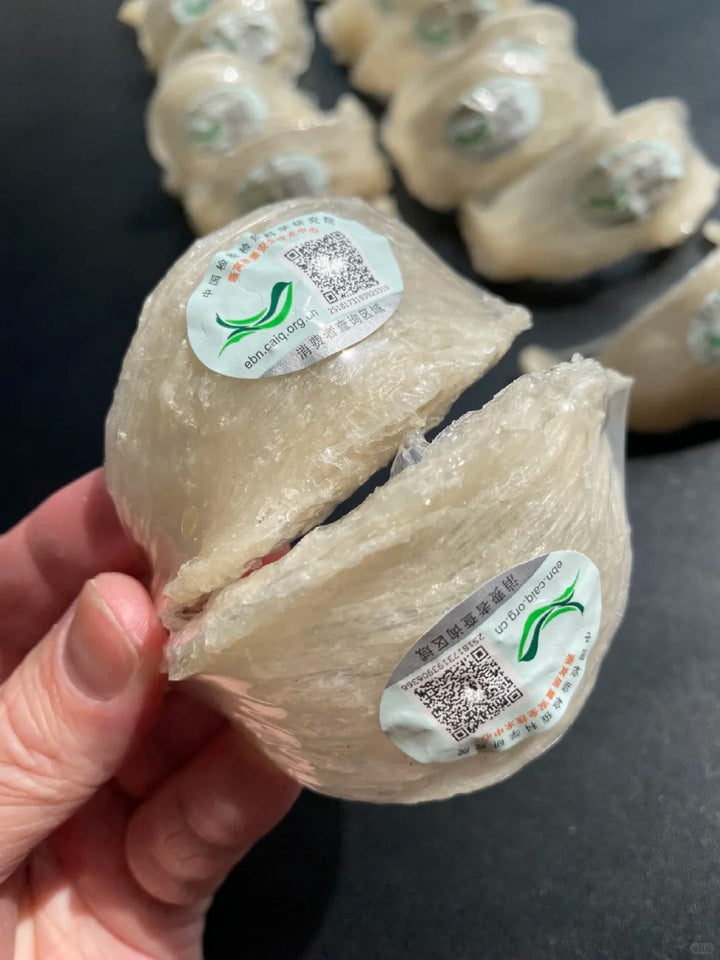
As a professional seafood recycler, Jin Haisheng often encounters customers asking in his daily purchasing work: "Why has my bird's nest, which I've been storing for several years, turned yellow? Can I still sell it for a good price?" Bird's nest, as a precious biological tonic, is essentially the nest built by swiftlets during their breeding season using high-molecular-weight glycoproteins secreted by their salivary glands. This unique composition determines that it will undergo biochemical changes over time.
This article will provide an in-depth analysis of the scientific mechanism behind the yellowing of home-collected bird's nests and reveal the three "fatal flaws" that determine the value of bird's nests in the recycling market, helping you to better manage your precious assets.
As experts in the recovery of top-tier seafood assets, we are well aware that Japan's three most famous abalone—Wo Ma Bao, Ki Pin Bao, and Ami Bao—have long transcended the realm of food ingredients in Chinese society, rising to become an "asset class" that measures wealth, status, and family treasures.
In Hong Kong, an international hub for the trade of Chinese medicinal herbs, the true value of top-grade dried abalone lies not in its retail price, but in the high demand for aged abalone in the secondary market (i.e., the resale market). The core of the resale market's valuation is the product's scarcity , aging period , and undisputed proof of origin .
Below, we will provide you with a detailed analysis of the unique attributes of these three famous abalone brands, and how to maximize their value in the recycling market.
Fish maw is not only a traditional and precious tonic in Chinese society, but also a symbol of high-net-worth assets. For collectors and investors, the "recovery value" (RV) of fish maw is key to determining its potential for asset preservation and appreciation. However, the valuation logic of the recovery market is far more complex than that of the retail price, as it is based on species scarcity, structural integrity, and rigorous document traceability.
As a professional recycler, Jin Haisheng will provide you with an in-depth analysis of the value basis of the four most sought-after glues in the Hong Kong market—coin glue, white flower glue, spider glue, and mackerel glue (Guangdu)—to help you make informed asset management decisions.
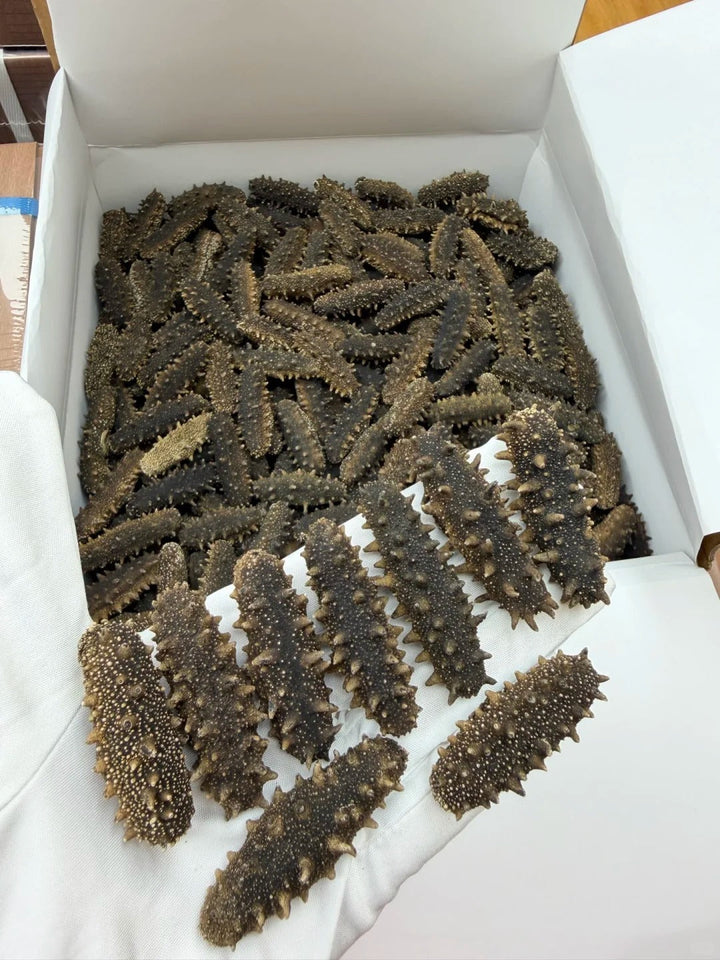
In our many years of experience in seafood recycling at "Jin Hai Sheng," sea cucumber has consistently been one of the most widely circulated varieties on the market, yet its perceived value varies greatly. Many customers bring their stock to inquire about prices, often puzzled: "Boss, both are Japanese sea cucumbers, so why is my friend's box of Hokkaido sea cucumbers valued at over ten thousand yuan, while my box of Kansai sea cucumbers is worth so much less?"
Sea cucumber, hailed as "ginseng of the sea," is considered the premier of the traditional "Eight Treasures of the Sea." However, not all sea cucumbers can fetch a hundredfold price. In the world of seafood recycling, origin, spines, and dryness—every detail determines the final buyback price of this "black diamond." Today, Jin Haisheng will take you on an in-depth journey into the "battle of the kings" in the sea cucumber world—Hokkaido Liaoning sea cucumber and Kanto Liaoning sea cucumber—revealing the secret behind the top-grade sea cucumber's price exceeding ten thousand yuan.
In the vast constellation of precious medicinal herbs, Cordyceps sinensis undoubtedly shines brightest, hailed as "soft gold." However, many customers who bring their Cordyceps to Jin Hai Sheng for recycling and appraisal often share a common question: "Why is it that Cordyceps of the same size from Nagqu fetches several times the price of those from other regions?"
The answer is actually just two words— altitude .
As a recycler with many years of experience in the industry, we know that in the world of cordyceps, altitude not only determines the harshness of the growing environment, but also directly determines the nutritional value and market price of cordyceps. Today, Jin Haisheng will take you deep into the secrets of this "altitude rule," from differences in origin to recycling market conditions, to give you a comprehensive analysis of why Nagqu cordyceps can firmly hold the throne of "nutritional crown."
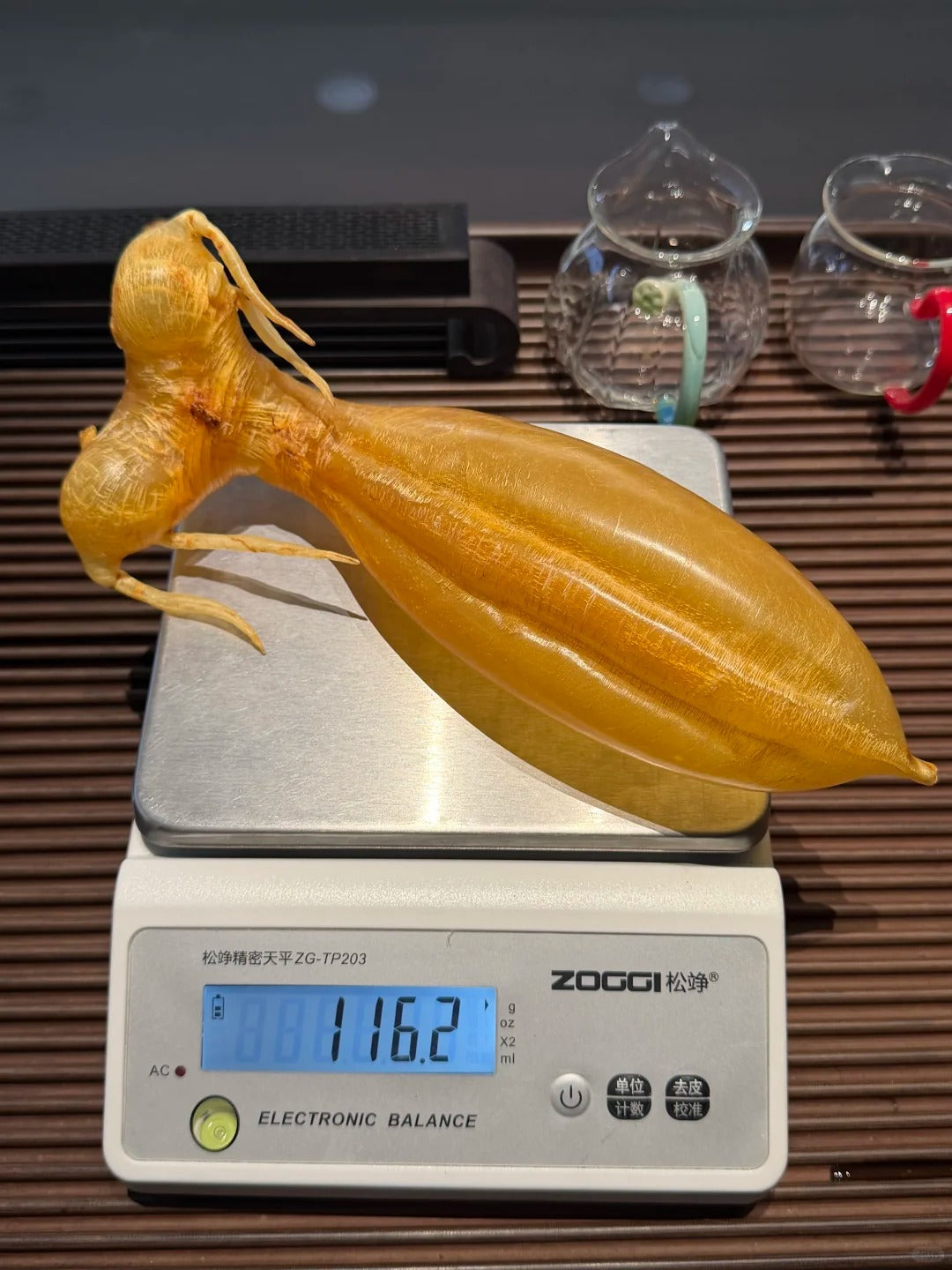
What makes fish maw special is that, unlike most foods with a shelf life, its value increases significantly over time. For top-quality varieties, "the older the fish maw, the more valuable it is" is an ironclad rule in the market. For example, the fish maw of the golden threadfin bream (also known as golden threadfin bream), hailed as the "king of fish maw," deepens in color with age, even turning crimson or deep yellow, and its price can be "more expensive than gold," even "comparable to a luxury mansion." Aged fish maw, with its rarity, superior quality, and enduring efficacy, has become an absolute darling of the recycling market.
As experts in the health supplement market for many years, [Jin Hai Sheng] understands that the value of bird's nest is not simply measured in monetary terms, but rather based on its quality, purity, and core nutritional components . Due to its high price, the market is flooded with counterfeit bird's nest products. Therefore, knowing how to identify and select the best is the only way to ensure your valuable investment retains its value.
Below, we will provide a precise "value preservation" guide for the two mainstream products on the market—dried bird's nest and ready-to-eat bird's nest—to help you make the right choice and ensure that every penny you spend is worthwhile.
Cordyceps sinensis has been hailed as "soft gold" since ancient times. However, when you have unused cordyceps and want to sell them, you may find that the prices quoted by different recyclers can vary drastically. This huge price difference is not random, but stems from the precise and meticulous assessment of the quality of cordyceps by professional recyclers. As a professional recycler, Jin Haisheng understands the true value of every cordyceps.
We break down the underlying logic of Cordyceps sinensis buyback prices and reveal the four core factors that determine the final buyback price.
Jin Haisheng has been deeply involved in the market for the recycling of precious seafood for many years, and has unique insights into the value of top-grade Japanese sea cucumbers. For collectors in Saigon who possess valuable seafood, especially Japanese Kanto sea cucumbers, knowing how to accurately identify your collection is key to unlocking its maximum market value. We will provide you with an in-depth analysis of the characteristics of Kanto sea cucumbers, especially their distinctive "four rows of spines," to help you make informed decisions when recycling them.
As a professional seafood gift recycling expert, Jin Haisheng understands that the value of fish maw is not limited to its health benefits; it is also a rare asset with enormous appreciation potential, hailed by experts as "soft gold." Especially in Hong Kong, a hub for rare and precious products, the recycling value and collection potential of aged fish maw (old maw) far exceed that of many new maws.
For our clients in Yuen Long District and all seafood collectors at Jin Hai Sheng , understanding the logic behind "the older, the more valuable" is crucial. Today, we will delve into why investing in or collecting old fish maw is more worthwhile than new fish maw, and reveal the secrets behind the high-priced buyback of aged fish maw.
I'm Jin Haisheng, a recycler! Hello everyone in Tuen Mun! Cordyceps sinensis has been hailed as "soft gold" since ancient times, and its rarity makes its market price high and highly volatile. Many collectors may have Cordyceps sinensis gifted by friends and family, but they are often confused about how to determine its true value and avoid unscrupulous business practices during the recycling process. As a professional company with many years of experience in Hong Kong's seafood recycling industry, Jin Haisheng understands that reputation and professional appraisal are crucial for high-priced recycling.
Today, Jin Haisheng's expert team will "personally" visit Tuen Mun District (providing professional door-to-door service) to decipher the pricing secrets of top-grade Tibetan Nagqu Cordyceps sinensis for you, and teach you how to identify "low-price traps" in the market, ensuring that your collection can be realized at the most competitive market price.
Bird's nest, a prized tonic, has long been a symbol of status and wealth. However, many families and businesses may have unused bird's nest gift boxes or dried goods for various reasons—perhaps expired gifts, unused stock, or even aged treasures. As a professional high-price buyback company, Jin Hai Sheng has been deeply involved in the Hong Kong buyback market for many years, especially providing top-notch and convenient door-to-door buyback services for customers in Kowloon East (including Kwun Tong District). We understand that the value of bird's nest lies not only in its rich nutritional components (such as sialic acid, high-quality protein, EGF, etc.), but also in its rarity and integrity.
This article aims to unveil the mysteries of bird's nest classification and identification, allowing you to understand the value of the bird's nest in your hands. With professional knowledge, you can ensure you receive the most professional and fair buyback offer when selling your unused bird's nest to Jin Haisheng.
Red-lipped maw enjoys a prestigious status among seafood delicacies, often hailed as the top-grade representative of "Guangdu" (maw of the maw). When we discuss this golden, translucent gelatinous substance, we are not only talking about a precious ingredient, but also tracing its "oceanic origins" from the deep sea and its **"nourishing miracle" passed down through generations**. For industry insiders, and even for professional recycling and appraisal businesses like Jin Haisheng, a thorough understanding of the origins and efficacy of red-lipped maw is a prerequisite for appreciating and evaluating its value.
Hello everyone, I'm Jin Haisheng's recycling expert. Among the many delicacies of seafood, Japanese dried abalone firmly holds the title of "King of Seafood" due to its top-quality. And among Japan's "World's Three Famous Abalone"—net abalone, Yoshihama abalone, and Hema abalone—Hema abalone is perhaps the most "unique" in appearance. Unlike Yoshihama abalone, it doesn't resemble a gold ingot, but its unique "pinholes" on both sides of its body and its unparalleled smooth texture are the secrets behind its popularity among connoisseurs and gourmets.
Today, we will delve into the unique identity markers and precious value of the Aomori Prefecture's abalone.
Cordyceps sinensis, also known as caterpillar fungus, is hailed as the "King of Chinese Medicine" and "Soft Gold" in the pantheon of traditional Chinese medicine. Jin Haisheng, a trading company specializing in the recycling of rare seafood and medicinal herbs, frequently handles top-grade Cordyceps sinensis. However, a complex debate exists between its exorbitant price (there's even a saying that "one gram of Cordyceps is worth one gram of gold") and its proven status in modern science.
We will reveal the true nature of the medicinal efficacy and scientific evidence of Cordyceps sinensis from both traditional medicine and modern research perspectives.
As a top-tier seafood delicacy, white fish maw (primarily derived from light-colored yellow croaker, commonly known as white croaker) is renowned as "marine ginseng" and is considered a "life-saving" and family heirloom by those living on the water. Among all fish maw varieties, wild Indonesian white fish maw ranks among the most expensive due to its rarity. Its outstanding beauty and skin-care effects, along with its exceptional wound-healing abilities , have earned it the title of the "Hermes" of fish maw. Whether recovering from a serious illness or surgery, or for women about to give birth or undergoing a cesarean section, white fish maw is the preferred remedy for accelerating recovery and repairing wounds.
Jin Haisheng specializes in the recycling and identification of top-grade seafood, deeply understanding the professional knowledge and rare value behind these delicacies. Today, we will delve into the secrets of the seafood world's "liquid gold"—Spider Maw—and analyze why it stands out among numerous fish maw varieties, becoming a top-grade treasure second only to croaker maw.
In recent years, the status of bird's nest as a traditional tonic has faced severe challenges, especially in today's more rational consumer environment, where the label of "scam tax" is frequently mentioned. As a professional recycler, Jin Haisheng deeply understands the true value behind this precious resource. To truly say goodbye to the "scam tax," we must return to science, decode the core nutrient of bird's nest— sialic acid— and reveal the truth about its quality behind price fluctuations.