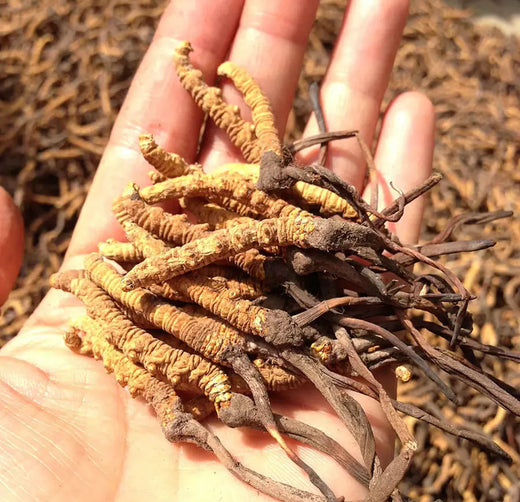
Authenticating Nagqu cordyceps before selling: a real Central case involving a travel-agency souvenir box
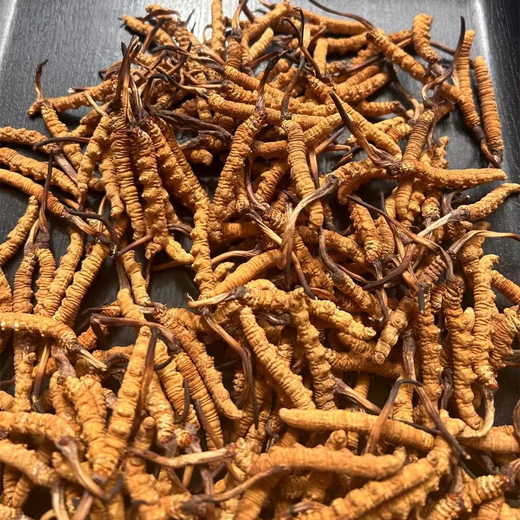
A customer in Central sent us photographs of a box bought from a travel agency during a trip to Tibet several years earlier. It had remained as a souvenir until now, and the customer had always worried that it might be fake. They wanted a specialist to establish authenticity before deciding whether to sell. The worst approach with goods like these is to rely on one vague figure that changes on arrival. After reviewing the photographs, we asked for additional images of the underside pattern and stroma, plus a cross-section from one broken piece, as well as an approximate weight. Only then did we arrange an in-person inspection, avoiding a wasted journey.
Clarify this before seeking a valuation:To sell Nagqu cordyceps with a clear understanding of its value, the first step is not to ask for the highest quote. First identify the legs, cross-section, natural fungal aroma, dryness, and proportion of broken pieces. With complete photographs, the appraiser can provide a useful range, followed by spot checks of the physical pieces on arrival. A firm price has little meaning until authenticity has been established.
One detail is worth adding:Before genuine and imitation specimens have been distinguished, it makes little sense to quote a fixed price for a Nagqu cordyceps authenticity assessment. Photographs establish the initial direction; an in-person inspection then checks the fungal aroma, chrysanthemum-like cross-section, and weight.
For an initial understanding before proceeding, start with Cordyceps storage and valuation essentials. The origin, dryness, and storage methods explained there are precisely what we verify item by item during an in-person inspection.
How the Nagqu cordyceps process works, from photographs to in-person inspection
Clear photographs are crucial to a remote valuation. For this case, we asked the customer to provide three things:
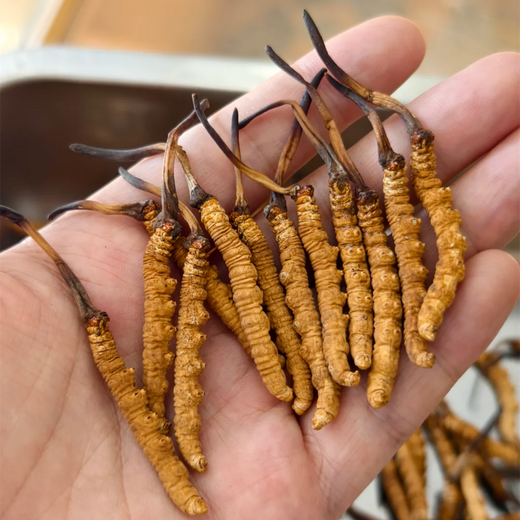
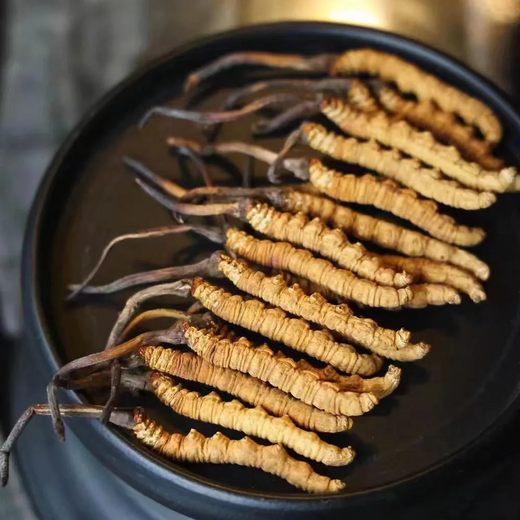
- Photograph the full body and stroma: this shows whether the caterpillar body is full and the length of the stroma, giving an initial indication of whether it is a large or medium grade.
- Photograph the underside and annular markings: counting the leg pairs and checking whether the annular markings are regular quickly exposes Ya Xiang Bang lookalikes and Xinjiang material.
- Break one piece and photograph the cross-section: genuine cordyceps has a white cross-section with a chrysanthemum-like pattern, as well as a recognisable natural fungal aroma.
Once all three were provided, we gave an indicative direction and price range. When the customer found it suitable, we arranged a nearby in-person inspection at the Central shop or MTR station.
There is no need to bring the goods out at the outset. First WhatsApp 69035182 with a photograph of the full box spread out, close-ups of the legs, and a broken cross-section, plus the weight and years of storage. Clearer information can substantially narrow the initial estimate.
Nagqu cordyceps grading depends on more than its name
When we received the box, we did not quote after a single glance. We separated the assessment into several points: 4 distinct pairs of legs, with the front 3 pairs fine and the rear 1 pair thick; regular annular markings; a clear chrysanthemum-like cross-section; and a pronounced natural fungal aroma. Only after it passed the authenticity checks did we move on to grading.
- Origin: Nagqu ranks first, followed by Yushu in Qinghai. Xinjiang material and Ya Xiang Bang are lower-grade or substitute goods and are not blended into one price.
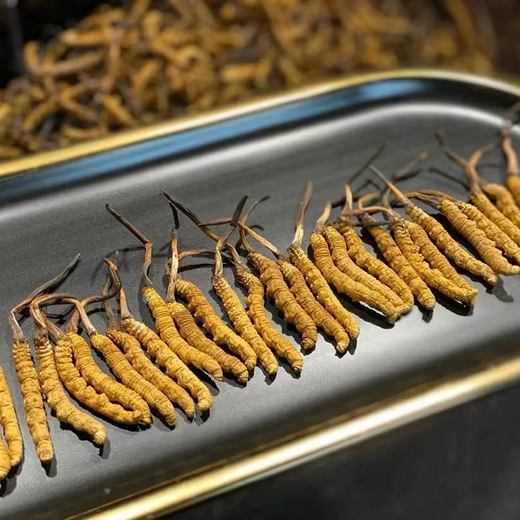
- Individual weight and grade: larger, heavier specimens harvested earlier in the season are more valuable, with King of Kings, large, and medium specimens priced by grade.
- Dryness and proportion of broken pieces: dry goods with more complete pieces and fewer impurities retain value better.
After checking the entire box, its condition held up well. The final offer was aligned with the first-hand market, and the customer considered it reasonable. To compare trends for similar goods, first see Comparable cordyceps items, then follow Cordyceps storage and valuation essentials to arrange an in-person inspection.
Authenticity and grading cases for initial reference
- Nagqu cordyceps buyback price: authenticate first
- Premium Nagqu cordyceps buyback: selling a gifted box
- Indonesian Dragon-Tooth bird's-nest cup buyback and authentication
Further information on the Nagqu cordyceps market and in-person inspection process
- More cordyceps appraisal information
- Cordyceps storage and valuation essentials
- Comparable cordyceps items
- Cordyceps storage and valuation essentials
Organise your Nagqu cordyceps details before contacting us
Kam Hoi Shing | Cordyceps in-person inspection booking
Contact: 69035182
For a bulk batch or gift box requiring Nagqu cordyceps authentication, include both a full-batch photograph and close-ups. We will spot-check the physical pieces individually on arrival and explain the pricing in person.