Elderly relative's vintage fish maw, kept for ten years – want to cash in? A real case from Tseung Kwan O
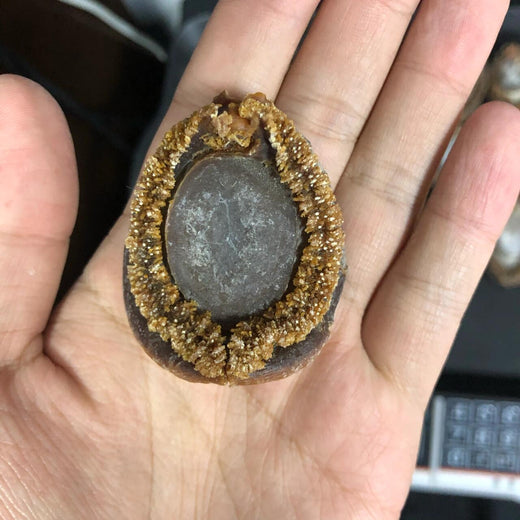
A client from Tseung Kwan O had a box of fish maw that an elder relative gave them, stored since 2013, exactly ten years ago. They didn't know the market value but knew it was a good item and wanted to sell it due to current needs. They sent several photos, asking if it was worth having an expert look at it. After reviewing the photos, we determined it was worth an in-person inspection. We arranged a home visit to save them a wasted trip; the official quote is always based on actual weight and individual inspection.
What we usually check first: After receiving photos of vintage fish maw, we first assess its thickness, texture, dryness, and whether it has been infested by insects before deciding if an in-person inspection is necessary. With clear information, the price range quoted will be much closer to the actual value. Vintage items specifically require close attention to dryness and storage odor; the age is only one reference point.
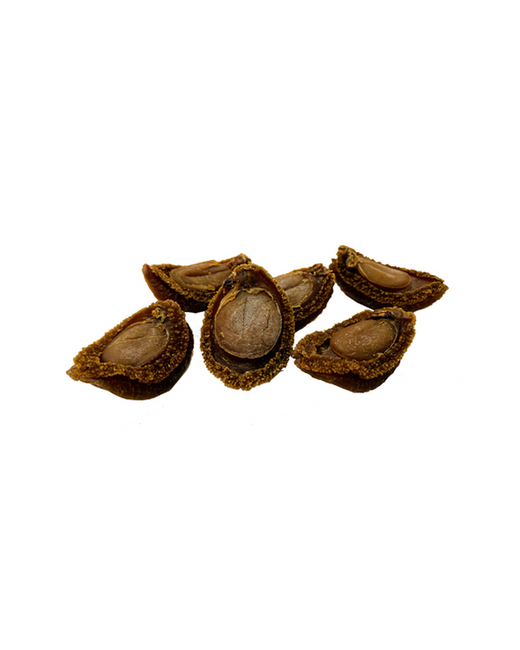
What is most often overlooked with these types of goods: A batch of fish maw might contain both high-quality and lower-quality pieces. It's best to photograph each piece individually, showing its thickness and any imperfections. When inspecting in person, discussing them by grade will make the pricing much clearer.
If you have a box of loose fish maw that has been stored for many years and want to understand its value before selling, you can start by reading Things to Know Before Inspecting Fish Maw. The information there regarding origin, grading, and storage tips corresponds exactly to the points checked during an in-person inspection, so you'll have a good idea of what to expect.
What you can do before arranging an inspection for fish maw
To get a quick estimate, you can WhatsApp 69035182 with photos showing the front and back, thickness, close-ups of the texture, and the weight. We will then assess if an in-person inspection is worthwhile. If the price is agreeable, we can arrange a visit to your home or our store.
How an expert determines the grade of fish maw
The value of this fish maw isn't just about "being stored for a long time." Our appraisal follows a fixed sequence, prioritizing the most impactful factors:
- Species and origin come first: Fish maw from Suriname generally has higher quality gelatin and texture than Indonesian varieties. "T-head" and "herringbone" patterns indicate prestigious species, placing them in a different category.
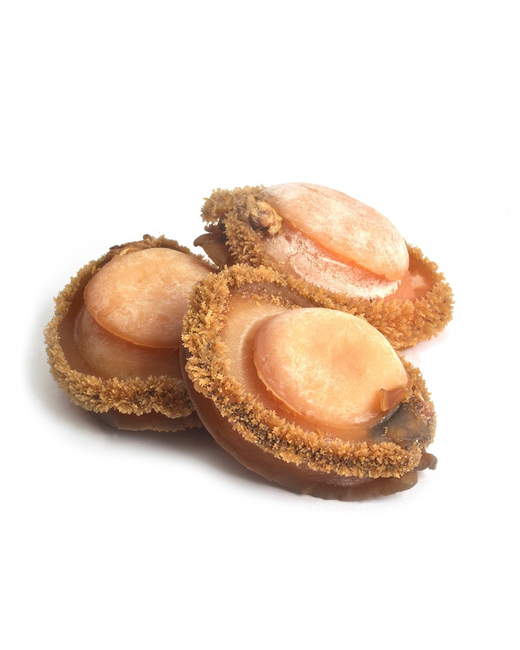
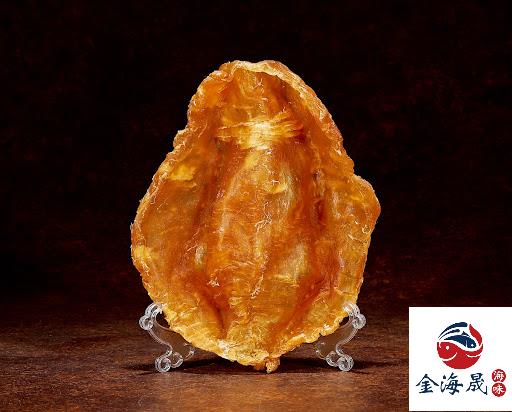
- Next, examine the aging period: With a full ten years of natural aging, the color deepens from golden yellow to deep golden amber, and the collagen stabilizes. This significantly adds to its value.
- Then, check dryness: Dry and firm to the touch, with a clear sound when tapped, commands a higher price. Soft and rehydrated pieces will be discounted.
- After that, assess thickness and flesh quality: Thicker maw, indicating good expansion potential, fetches a better price than thinner pieces.
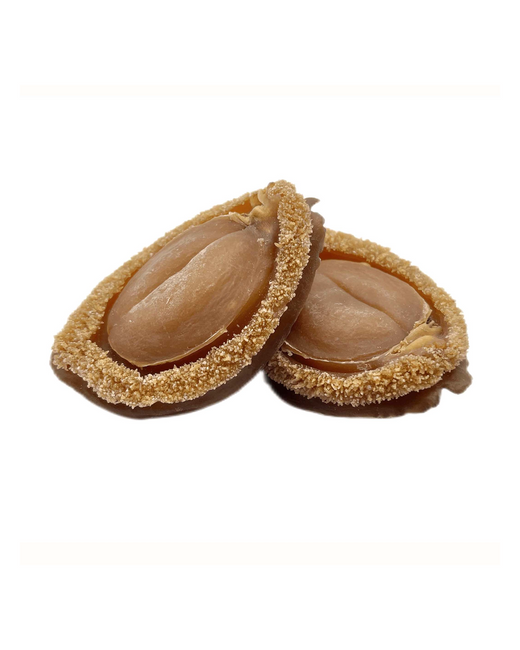
- Look at completeness: No cracks, no insect damage, no musty odor, and a whole, intact piece will reach the highest value.
- Finally, check the color: Naturally deepened amber gold is the most reliable, not the kind achieved through baking or dyeing.
This box of ten-year-aged fish maw showed natural patination and was sufficiently transparent under light. All conditions were met according to our checklist. The final quoted price was close to the primary market rate, which the client found reasonable. If you have other similar dried seafood, you can first consult the Fish Fish Maw Buyback Category Page, then arrange a time according to Things to Know Before Inspecting Fish Maw.
Common questions before selling fish maw
Q: I'm worried it might be fake or weighted with filler. How do I tell genuine from fake?
A: First, check if the "legal lines" (fine lines on the surface) and air holes look natural. Then, pick it up to check the weight and texture. Genuine maw is dry, makes a sound when tapped, and has continuous patterns. Pieces weighted with filler feel heavy and dull, and make a muffled sound when tapped, which is hard to hide during an in-person inspection.
Q: Is there a big price difference between "T-head" fish maw and regular fish maw?
A: Yes, there is. "T-head" is a prestigious type. Given the same age and dryness, its price is significantly higher than ordinary maw. If it also has complete features like "small braids" and "herringbone" patterns, the premium will be even wider.
Q: If it's been stored for ten years, is it definitely more valuable than new maw?
A: Not necessarily. For aged maw to command a premium, it must be dry, have naturally deepened color, and be perfectly intact. If it's just "old" but has a musty smell or cracks, no matter how long it's been stored, its value will be discounted and it may not be better than a high-quality new piece.
Q: What if there's a little insect damage on the edge? Will you still buy it?
A: Please send photos first. Minor insect damage on the edge can still be considered on a case-by-case basis. However, if it has holes, is powdery, or has an unusual smell, the price will be significantly affected, and this cannot be hidden and must be disclosed.
Q: How long does the whole process take, and can I get paid on the same day?
A: Sending photos for a reference price can be done on the same day. For an arranged in-person inspection, weighing, quoting, and payment can all be done on the spot, so there's no need to leave your item and wait for payment.
Similar fish maw records for reference
- Collection of Vintage Fish Maw - Intact
- Collection of Beautiful Fish Maw - Golden Aged
- Collection of Vintage Japanese Kippin Abalone - Translucent Sugar Heart
Further information: How fish maw is graded
- Fish Maw Valuation Guide
- Case Studies for Fish Fish Maw Buyback
- Fish Fish Maw Buyback Category Page
- Our Services
If you want to sell fish maw, you can ask for guidance first
Kam Hoi Shing | Fish Maw Valuation Inquiry
Contact: 69035182
If your vintage fish maw has rehydrated, has cracks, or is a mixed batch, please state this upfront. We will provide a reference range based on photos, with the final price confirmed after an in-person inspection.