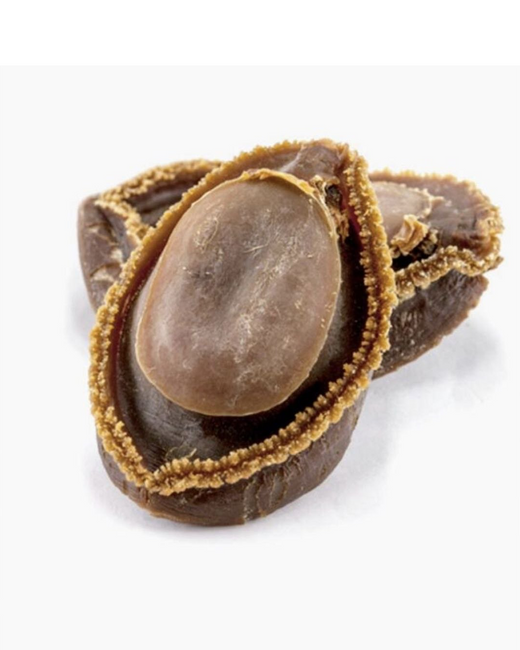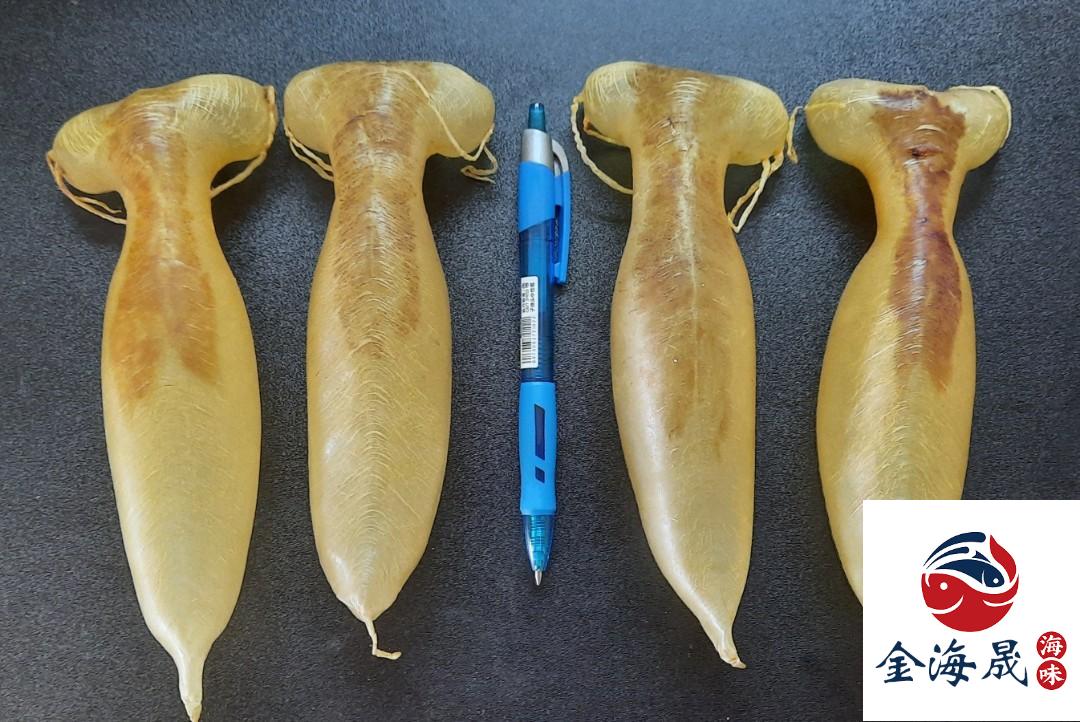
Zhak Jiao: Client from Quarry Bay sends photos for remote appraisal, how to assess premium for large specifications?
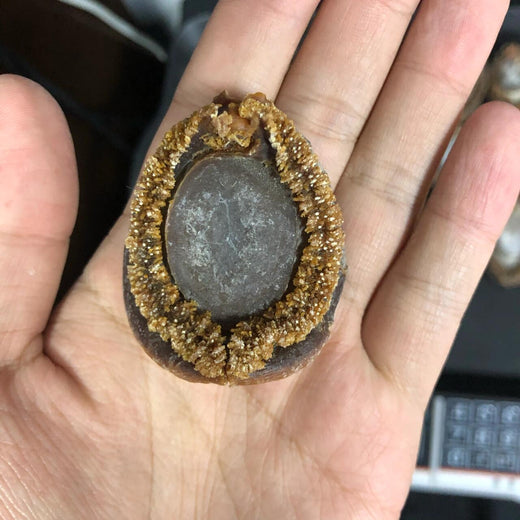
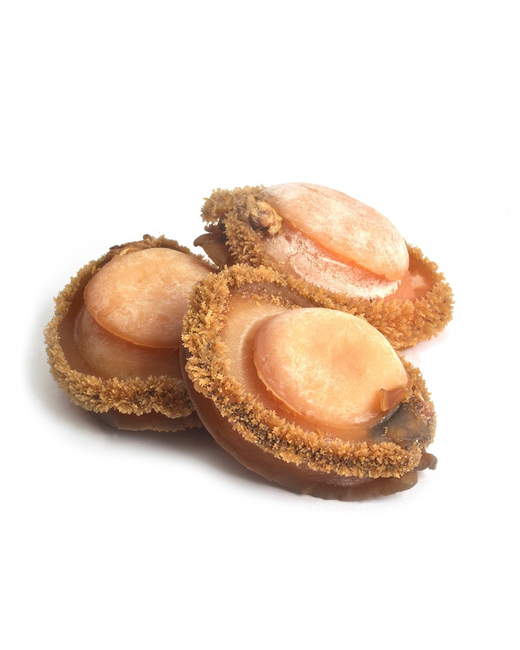
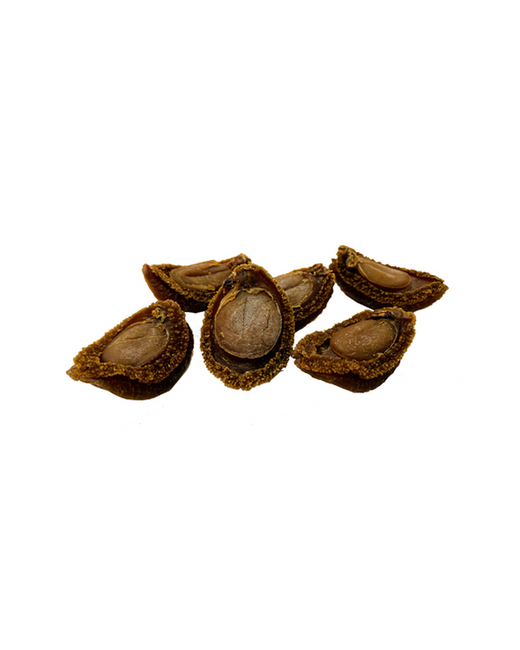
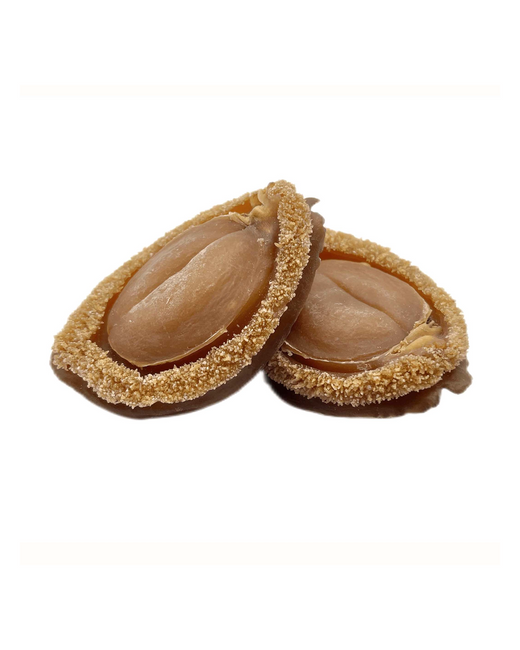
A client from Quarry Bay sent several photos via WhatsApp of 5 New Zealand and 3 South American male Zhak Jiao pieces, each weighing over 500 grams. They want to know the potential premium for large specifications before deciding whether to arrange an in-person appraisal. As family opinions are not yet consistent, we usually recommend an initial photo assessment in such cases. This allows everyone to understand the approximate price range and potential drawbacks, facilitating a more informed discussion before considering the next step of an on-site or in-store appraisal.
Most important before selling: For "Zhak Jiao" and similar goods, the price difference can be significant, usually not due to the name, but rather thickness, texture, dryness, and presence of insect damage. Send photos for an initial assessment to ensure the direction is right before an in-person appraisal, saving you a wasted trip. With complete information, the preliminary range will be much closer, and you might avoid an extra visit.
Best practice for sending photos: A batch of Zhak Jiao might contain both good and lesser quality pieces. It's best to photograph each piece separately, showing its thickness and any imperfections. When appraising in person, discussing them by grade will make the pricing much clearer.
If you're unsure of the grade of your fish maw, it's more practical to first read What You Need to Know Before an In-Person Fish Maw Appraisal. During the on-site appraisal, we will use the same criteria to explain things to you, ensuring consistency.
Before grading and appraisal, gather all Zhak Jiao information
For remote appraisal, having complete information is crucial. Do these three things when sending photos for a quick and accurate response:
- Front, back, and thickness: Take a photo of the front, back, and a side view for thickness of each piece. This gives a clear idea of its shape and flesh thickness.
- Report the weight: State the approximate weight of each piece in grams. This makes the premium assessment for large specifications more accurate.
- Clearly photograph the texture: Photograph the "law lines" (distinctive wrinkles) and color clearly, not too far or blurry, to firmly determine its direction.
Once we have enough information, we will reply with an approximate buyback range, then arrange a time for an in-person appraisal and re-weighing. Photos can always have color differences and angles, so the final price will be based on the actual items upon inspection.
Details affecting Zhak Jiao quotation
What customers want to know most is how the price is calculated, not just a total figure. We primarily look at four aspects for this type of fish maw:
- Large specifications: Large pieces weighing over 500 grams expand more and have a richer taste. Compared to smaller pieces of the same type, they can command a premium of 30-50%.
- Thickness ratio: The thicker the body and denser the flesh, the more it supports its positioning as male maw, leading to greater premium potential.
- Clarity of "law lines": Symmetrical and clear lines indicate intact form, which is a bonus.
- Dryness and origin: Sufficiently dry with no damp smell and a clear origin allows for a higher price; any discoloration or dampness will incur deductions.
If convenient, please WhatsApp 69035182 with photos of the front, back, thickness, close-ups of the texture, approximate weight, and storage condition. We will provide a reference range first, and if the direction is right, we'll arrange an in-person appraisal. For more information, you can check the Fish Fish Maw Buyback Category Page; for collection arrangements, please see What You Need to Know Before an In-Person Fish Maw Appraisal.
Common mistakes new sellers make when asking about Zhak Jiao
Q: How much more expensive are large specifications?
A: For the same variety, large specifications weighing over 500 grams can be 30-50% more expensive than smaller pieces weighing 200-300 grams. This is because large pieces expand more, have thicker flesh and a richer taste, and are in higher demand in the market.
Q: Which is better, New Zealand or South American Zhak Jiao?
A: Both have their merits. New Zealand Zhak Jiao has firm flesh and a darker color; South American Zhak Jiao has a golden color and clear texture. The price difference between comparable grades of both is minimal, primarily depending on the actual thickness and dryness, not just the origin.
Q: Does older fish maw always cost more than new fish maw?
A: Not necessarily. For aged fish maw, factors like dryness, thickness, color, and preservation traces are important. Only if these conditions are met will there be a significant premium; simply being "old" does not automatically guarantee a competitive.
Q: If there's slight insect damage, will it still be accepted?
A: Please send photos for initial assessment. Minor insect damage on the edges may still be quoted based on the actual condition; however, if there are holes, powdering, or unusual odors, the price will be significantly affected. The earlier it is dealt with, the better.
Q: How accurate is the estimated price based only on photos?
A: Photos can only provide a general direction, giving you a rough idea. The actual price will be determined upon in-person inspection, where each piece will be re-weighed, and its dryness and texture will be re-evaluated. Therefore, the in-person appraisal price will be close to the initial photo assessment, but the in-person appraisal will be the final determinant.
For Zhak Jiao market conditions, see here
- Sumatra Old Fish Fish Maw Buyback - 15 Years Deep Sea
- 50 Catties Batch of Old Fish Fish Maw Buyback - Male Maw Cashing Out
- Premium Indonesian Natural White Bird's Nest buyback - Dense Nests
Information to read before checking Zhak Jiao
- Fish Fish Maw Buyback Knowledge Supplement
- What You Need to Know Before an In-Person Fish Maw Appraisal
- Fish Fish Maw Buyback Category Page
- What You Need to Know Before an In-Person Fish Maw Appraisal
To check Zhak Jiao prices, you can start here
Kam Hoi Shing | Fish Maw Appraisal Inquiry
Contact: 69035182
If your Zhak Jiao has returned to moisture, cracks, or mixed batches, please inform us first; we will provide a reference range based on photos, and the actual price will be subject to in-person appraisal.