Want to sell aged spider fish maw left by an elder after ten years of storage? Record of a gift box in Tseung Kwan O
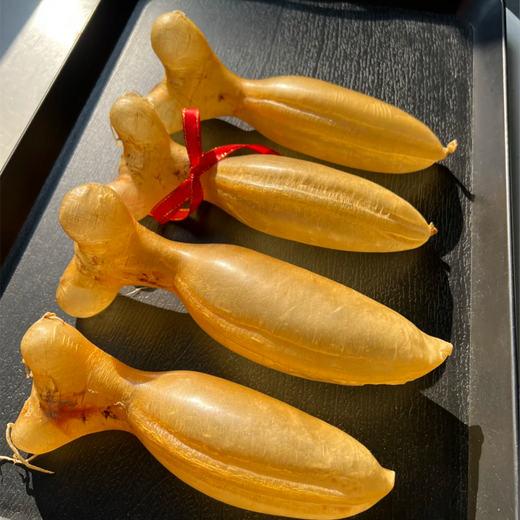
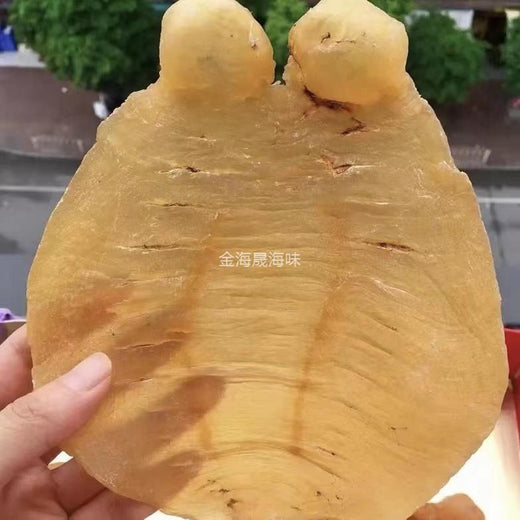
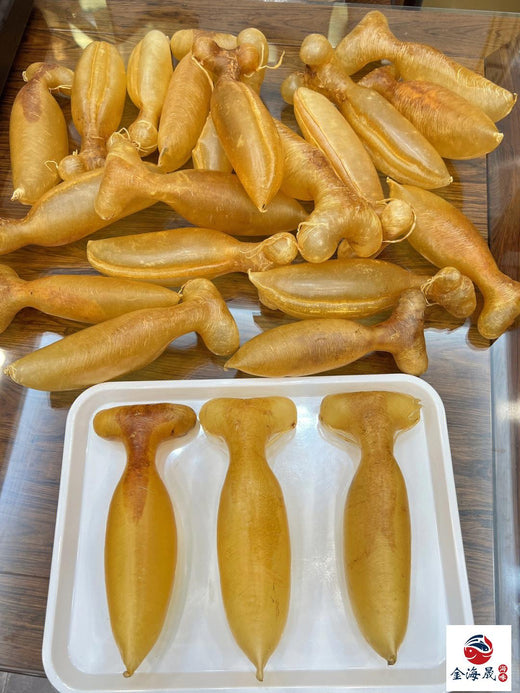
A customer in Tseung Kwan O had kept a box of spider fish maw given by an elder in the family, storing it from twenty thirteen until the present, exactly ten years. The customer did not know the market and only knew that it was a quality item, but now wanted to sell it because cash was needed. After sending several photographs, the customer asked whether it was worth having an appraiser inspect the goods. We judged from the photographs that an in-person inspection was worthwhile and arranged a home visit, avoiding an unproductive wait. The formal quotation remained subject to weighing and checking each physical piece.
We normally begin by checking:After receiving photographs of aged spider fish maw, we first assess its thickness, grain, dryness, and any insect damage, then decide whether an in-person inspection is needed. Clearer information allows a much narrower quotation range. For aged stock, dryness and storage aroma require particular attention; age is only one reference point.
The points most easily missed with these goods are:A single batch of spider fish maw can contain both stronger and weaker pieces. It is best to photograph the thickness and flaws of each piece separately. During the in-person inspection, each grade is explained separately, making the price much clearer.
For loose pieces from a gift box stored for many years, you can establish an initial baseline before selling by starting with What to know before an in-person fish-maw inspection. Its guidance on origin, grading, and storage covers exactly what is checked during an in-person inspection, so you will have a clearer understanding during the discussion.
What to do before arranging an in-person spider fish-maw inspection
For a quicker initial direction, WhatsApp 69035182 with photographs of both sides, the thickness, close-ups of the grain, and the weight. We first decide whether an in-person inspection is worthwhile; if the indicative price suits you, we arrange a home visit or shop appointment.
How an appraiser determines the grade of spider fish maw
The value of this fish maw cannot be explained simply by saying that it has been stored for a long time. Our appraisal follows a fixed order, beginning with the factor that has the greatest effect:
- Variety and origin come first: Surinamese stock generally has higher-quality gelatin and grain than Indonesian stock. T-shaped and herringbone markings denote recognised varieties, so their classifications differ from the outset.
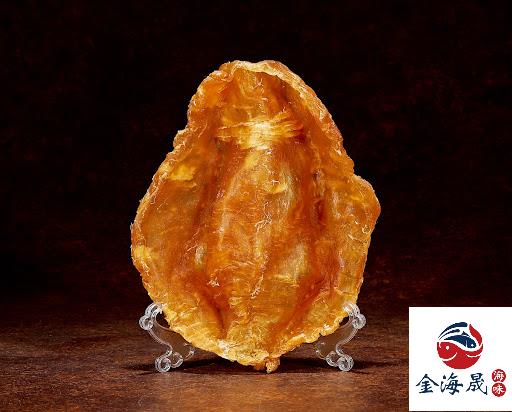
- Next, assess the ageing period: after a full ten years of natural ageing, the colour deepens from gold to a deep golden amber and the collagen structure stabilises, giving this factor clear positive weight.
- Then verify dryness: only dry fish maw that feels firm and makes a clear sound when tapped can support a strong price; softened pieces that have reabsorbed moisture warrant a deduction.
- Then assess thickness and flesh quality: a thick body with good expected expansion after soaking commands a better price than a thin piece.
- Check completeness: only a complete piece with no cracks, insect damage, or damp smell can reach the upper end.
- Finally, assess colour: naturally deepened amber-gold is the most reliable, rather than colour produced by heating or dyeing.
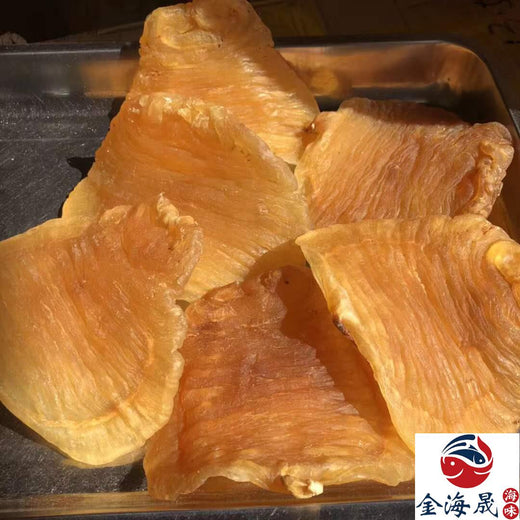
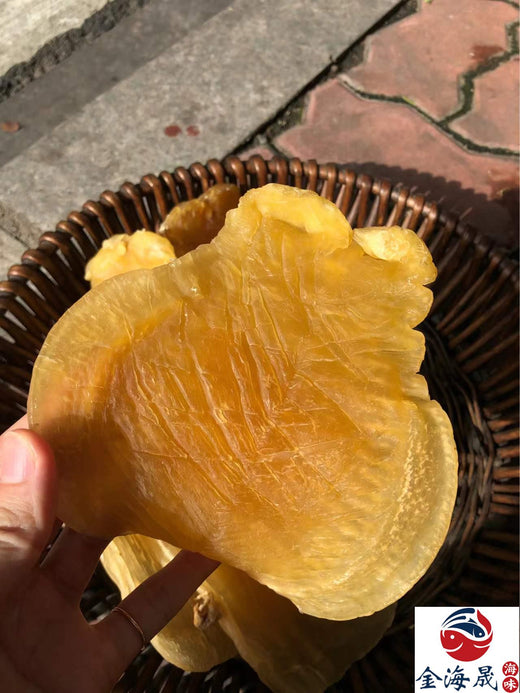
This box of spider fish maw had aged for ten years, with natural patina on the surface and strong translucency under light. It met each criterion, and the final quotation was close to the first-hand market level; the customer considered it reasonable after hearing the explanation. If you have other mixed items of a similar kind, first compare them against Fish-maw buyback categories, then follow What to know before an in-person fish-maw inspection to arrange a time.
Comparable spider fish-maw records for initial reference
- Buyback of treasured aged spider fish maw in sound condition
- Buyback of aged golden male white fish maw
- Buyback of old-stock Japanese Kippin abalone with a translucent sugar heart
Further information: how spider fish maw is graded
- Further fish-maw buyback guidance
- What to know before an in-person fish-maw inspection
- Fish-maw buyback categories
- What to know before an in-person fish-maw inspection
If you have spider fish maw to sell, first ask for an initial direction
Kam Hoi Shing | Fish-maw appraisal enquiry
Contact: 69035182
If your aged spider fish maw has absorbed moisture, has cracks, or forms part of a mixed batch, please say so first. We will provide an indicative range from the photographs; the actual price is subject to an in-person inspection.