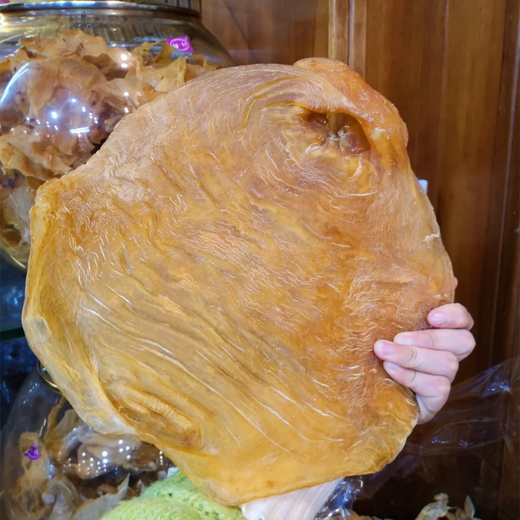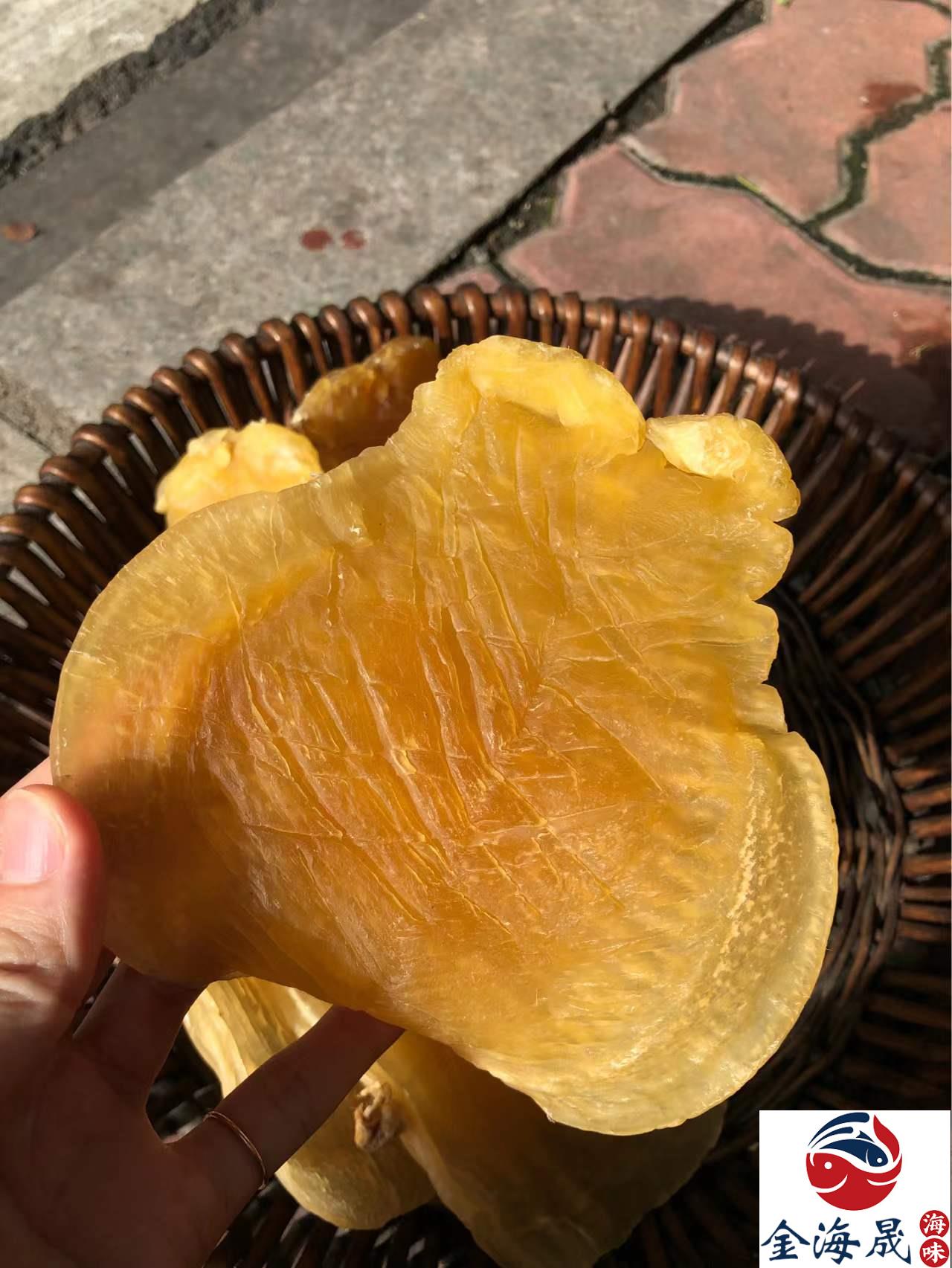
Full-bodied aged Beihai yellow croaker fish maw with a herringbone pattern and golden colour: a real face-to-face inspection of 12 pieces in Sheung Wan
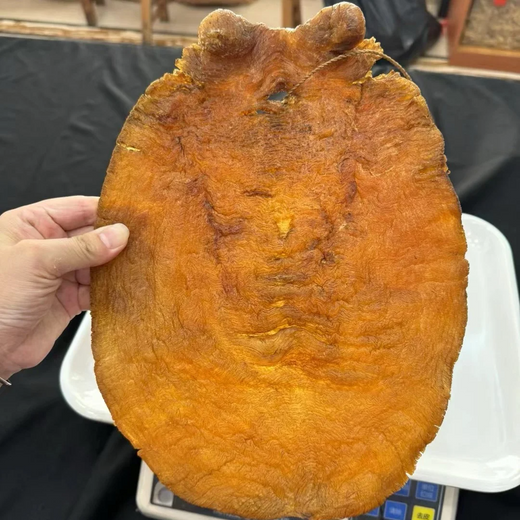
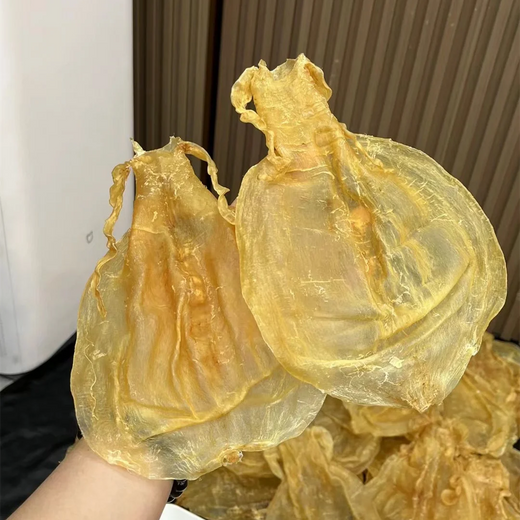
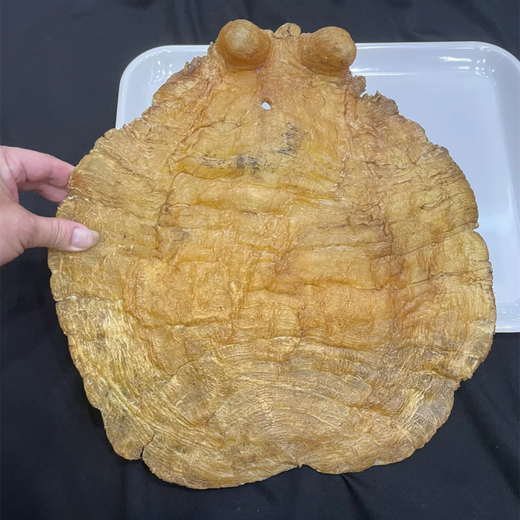
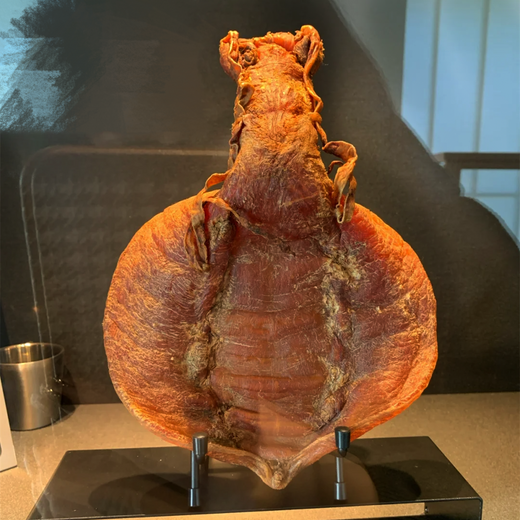
A customer booked an appointment at our Sheung Wan shop with 12 aged Beihai yellow croaker fish maws accumulated by the customer's father over many years in the dried-seafood trade. The customer wanted to sell them to help with household expenses. Goods like these should not be handled at one blanket 'price per catty', because condition, dryness, and storage method can create several price tiers. The customer brought in the physical goods, and we laid them out and inspected every piece before quoting.
To avoid a wasted journey, check these points first:With aged Beihai fish maw, relying on a blanket quote is the main risk. Photographs are first used to check thickness, grain, dryness, and any insect damage. If needed, we then arrange a physical inspection and explain all positive factors and deductions in person. With aged goods, dryness and storage odour require particular attention; age is only one reference factor.
To obtain a narrower estimate, prepare the following:With Beihai fish maw, a front photograph alone is insufficient. Include close-ups showing thickness, the side-lobe area, and the signature grooves. Moisture exposure, insect damage, or loss of natural oils can cause a substantial difference in the final offer.
Understanding the grades before bringing the goods in makes the discussion easier to follow. Start with Key grading points before a fish-maw appraisal. The variety, dryness, and storage points explained there are exactly what we check item by item during a face-to-face inspection.
First step in appraising Beihai fish maw: take close photographs
Prices in this category can vary greatly, so we always explain the positive factors and deductions separately, rather than introducing new conditions only after taking the goods. In this case, we focused on four areas:
- Density of the herringbone pattern: the finer and more even the V-shaped or herringbone surface pattern, the more closely the goods correspond to the variety. This is the most valuable hallmark of Beihai yellow croaker fish maw.
- Full, thick body: a sufficiently thick, full-shaped fish maw should feel substantial in the hand and generally has a stronger rehydration yield.
- Colour tones: the typical Beihai amber-golden colour should deepen naturally, rather than appearing stark white from bleaching or dark from colour loss.
- Damp smell, cracks, and insect damage: these are deduction factors. The 12 pieces in this case had no insect damage, mould, or damp smell, so their condition held up well.
Across all four areas, the batch remained in good condition, with many positive factors and few deductions. Against comparable buyback transactions at the time, its valuation was at a relatively high level.
A price for aged stored goods must pass these checks
- Send photographs for an initial estimate: WhatsApp 69035182 with close-ups, edge details, and packaging. We will first provide an indicative range and explain the reasons for any likely deductions.
- Verify in person: bring the goods to our shop or arrange a home visit. We compare each physical piece with the photographs and weigh it on the spot.
- Settle on the spot: if you consider the price reasonable, payment is made immediately by cash or FPS.
To compare the market for similar goods, first see the Fish-maw market categories. For the transaction methods, also refer to Key grading points before a fish-maw appraisal.
Buyback experience with comparable Beihai fish maw
- Buyback of museum-grade aged Golden Coin croaker male spider fish maw
- Buyback of aged deep-golden Zha fish-maw tubes
- Buyback of aged Japanese net abalone with a sugar heart and lustre
For more on the Beihai fish-maw market, start with these pages
- Fish-maw appraisal reference articles
- Key grading points before a fish-maw appraisal
- Fish-maw market categories
- Key grading points before a fish-maw appraisal
Send these photographs first to arrange an in-person Beihai fish-maw inspection
Kam Hoi Shing | Fish-maw buyback contact
Contact: 69035182
If you have Beihai fish maw and are unsure what to do with it, send photographs first. If the goods merit an inspection, we can arrange a home visit or shop appointment; there is no need to seek quotations everywhere at the outset.