
Selling a family's twenty-year-old Suriname spider fish maw collection in one cupboard clearance: a real Sai Ying Pun case involving 6 T-shaped pieces
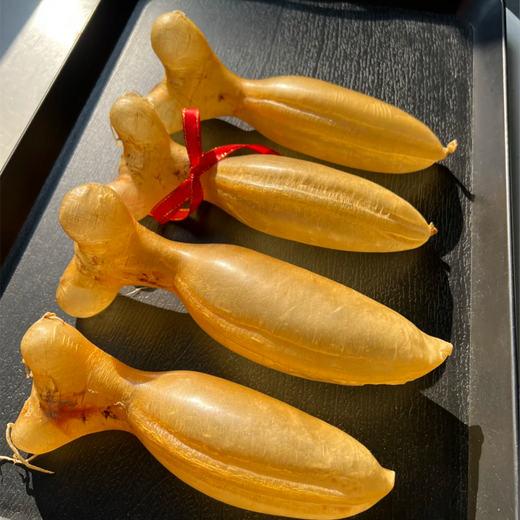
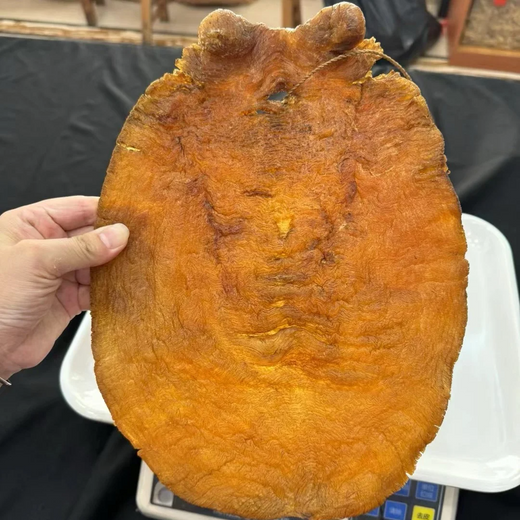
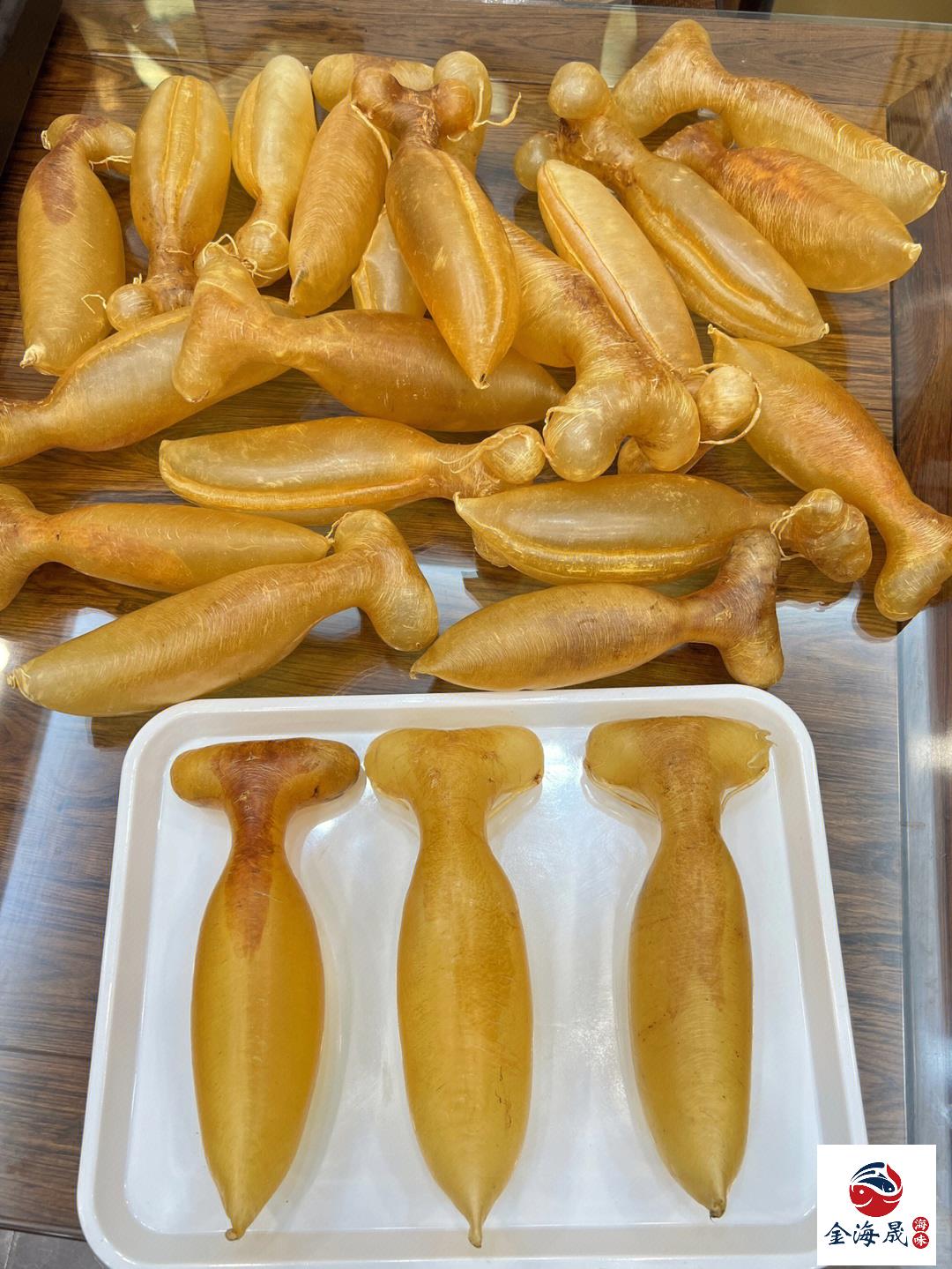
While clearing their home, a Sai Ying Pun family found 6 Suriname spider fish maws in a collection left by an elder. They were already aged when purchased and had then been stored for another twenty years, with a clearly defined T-shaped top. The family wanted to sell them together but feared accepting too little. I explained that photographs could establish the likely direction, but the true value still required a hands-on assessment of dryness, grain, and storage. We would first explain how each factor was calculated and arrange a time only if the family considered the approach reasonable.
The conclusion first:If you have aged spider fish maw, do not begin by asking only, 'How much will you pay?' An initial photo review covers thickness, grain, dryness, and any insect damage. If the goods merit an in-person inspection, we can then arrange a home visit or shop appointment. The actual offer still depends on checking every physical piece. With aged goods, dryness and storage odour require particular attention; age is only one reference factor.
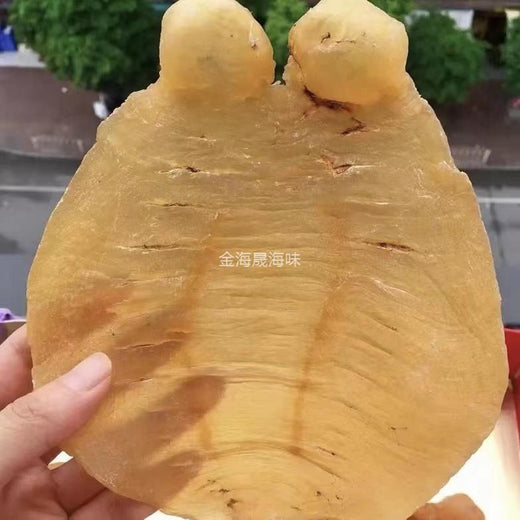
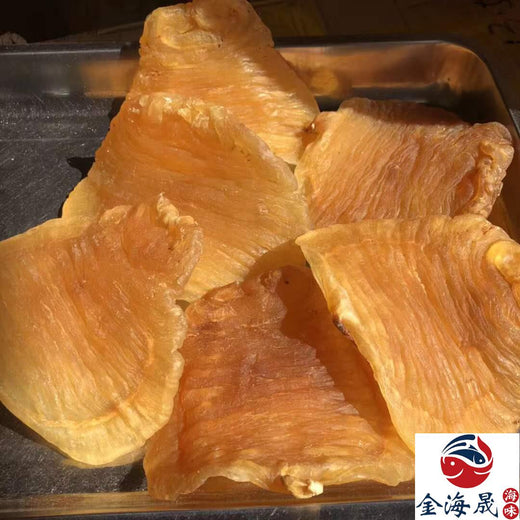
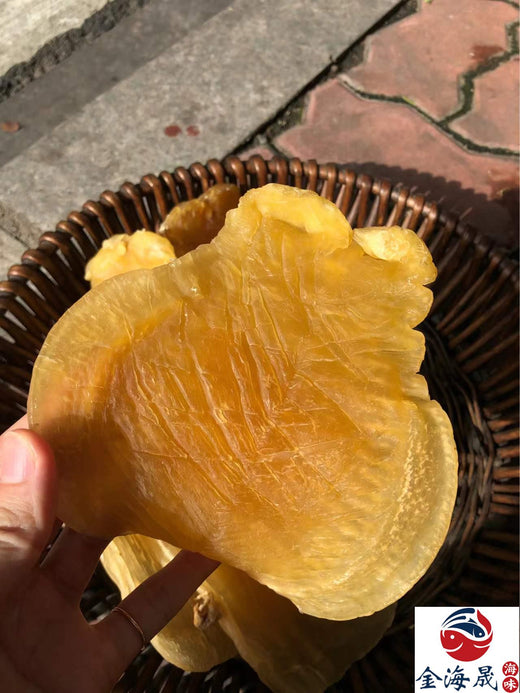
During the in-person inspection, we pay particular attention to:With spider fish maw, a front photograph alone is insufficient. Include close-ups showing thickness, the side-lobe area, and the signature grooves. Moisture exposure, insect damage, or loss of natural oils can cause a substantial difference in the final offer.
Before deciding whether to sell, first see Key grading points before a fish-maw appraisal. Understanding the criteria for varieties and grades makes it easier to follow how the figures are calculated when requesting an appraisal from photographs.
The customer wanted to understand how the valuation was built, not merely hear one total. In this case, we focused on four factors:
- T-shaped top: the more complete and symmetrical the T-shaped or herringbone pattern at the top, the more closely it corresponds to the variety.
- Small braid: the complete, unbroken small braid characteristic of this fish maw is a positive factor.
- Colour and translucency: a deep golden-yellow colour that appears translucent against the light is preferable.
- Aged patina: a natural surface patina provides tangible evidence of twenty years of ageing.
All 6 pieces had a distinct T-shaped top, complete small braids, a clear deep-golden colour, and a naturally developed surface patina, typical of a collector's twenty-year grade. Their variety, age, and condition all held up well. In the current market, the batch's buyback value fell within the higher tier for comparable spider fish maw.
Start with photographs to assess the likely grade of spider fish maw
For a quicker initial direction, WhatsApp 69035182 with photographs of both sides, the thickness, close-ups of the grain, and the weight. We first decide whether an in-person inspection is worthwhile; if the indicative price suits you, we arrange a home visit or shop appointment.
Before making an offer, we assess each aspect of the spider fish maw separately
Vague pricing is particularly unhelpful in a dried-seafood buyback. For this fish maw, we first lay out the positive factors and deductions, explaining item by item what supports the value and what reduces it. If you decide to sell, we settle on the spot; if not, you still leave with a clearer understanding of the market. Aged spider fish maw is valuable because its supply is limited and, after twenty years of sound ageing, it can have a stable collagen structure and strong rehydration yield. Value does not arise from the words 'stored for a long time' alone.
For an initial assessment of the goods you hold, start with the Fish-maw market categories. Once you decide to sell, follow the Key grading points before a fish-maw appraisal to arrange the transaction.
How to compare similar spider fish maw you may have
- Buyback of the deep-red-mouth form of male red-mouth croaker fish maw, with signature grooves
- Buyback of aged red-mouth croaker male fish maw
- Buyback of thick aged Japanese Oma dried abalone
More spider fish-maw valuation references
- Fish-maw appraisal reference articles
- Key grading points before a fish-maw appraisal
- Fish-maw market categories
- Key grading points before a fish-maw appraisal
What to prepare before arranging a spider fish-maw inspection
Kam Hoi Shing | Fish-maw appraisal enquiry
Contact: 69035182
If your aged spider fish maw has absorbed moisture, has cracks, or forms part of a mixed batch, please say so first. We will provide an indicative range from the photographs; the actual price is subject to an in-person inspection.