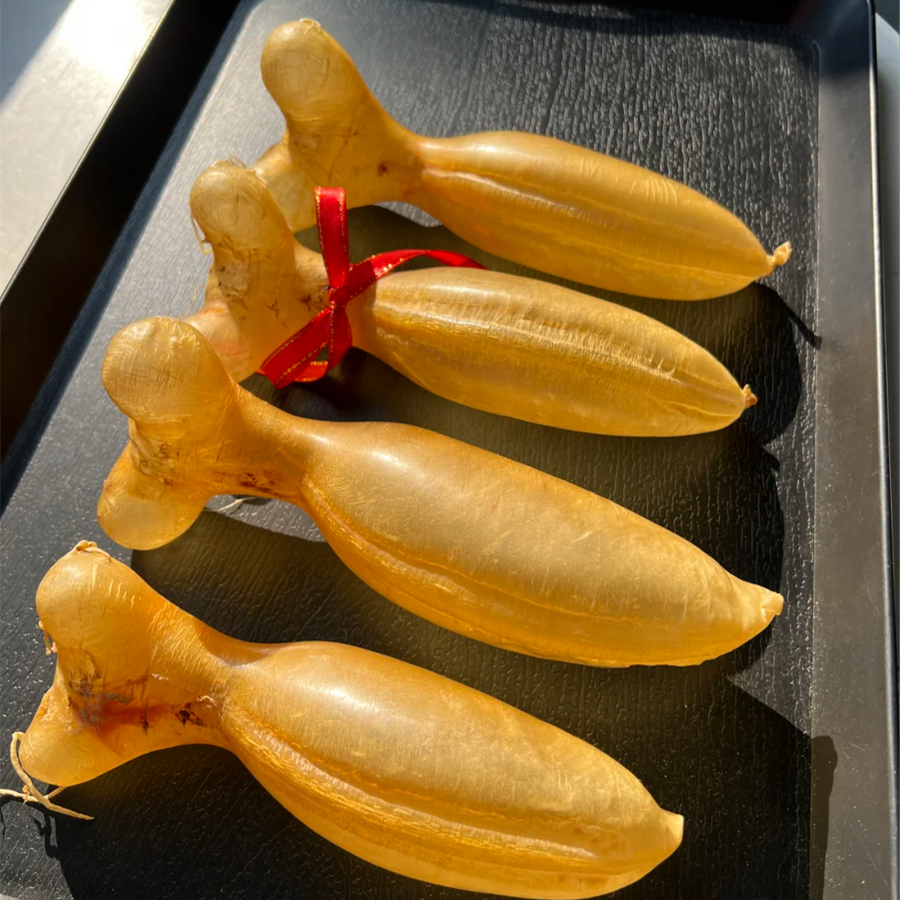
The article opens with the folk description that cordyceps is 'grass in summer and an insect in winter.' In fact, wild cordyceps is an insect-and-fungus complex, not a plant that changes into an insect.
The source says cordyceps is remarkable not only for its form but for alleged anti-tumour, anti-cancer, immune and liver-protective effects. These are source claims and are not medical advice.
The article notes that long-term smoking and alcohol use can harm the liver, particularly among men, and claims that sustained cordyceps consumption benefits liver function. The latter is not established medical advice.

1. Protection against liver damage caused by chemical toxins
To prove that cordyceps protects against liver damage caused by chemical toxins, scientists conducted an experiment. Experimental mice were divided into two groups: one group was given cordyceps, and the other served as a control, while both groups were exposed to n-hexane gas.
The source says mice not given cordyceps showed loss of liver-cell membranes, ruptured nuclear membranes and damaged fine structure, while treated mice retained intact cell membranes, clear nuclear membranes and visible mitochondrial structure. This animal experiment does not establish a liver treatment in people.
The source mentions unavoidable exposure to liver-damaging substances such as aflatoxins, medicines and alcoholic drinks, then claims cordyceps increases resistance to chemical toxins. That claimed protective effect is not established medical advice.

2. The effect of cordyceps against liver fibrosis
Many liver-related diseases can lead to liver fibrosis, such as toxic hepatitis, fatty liver, alcoholic liver disease, and liver damage caused by chemical toxins.
The article cites experiments in which cordyceps inhibited fibrous-tissue growth after carbon-tetrachloride poisoning. It also describes lower liver-cirrhosis markers through reduced TGF-β1 and PDGF expression, hepatic stellate-cell activation, and type I and III collagen synthesis. The source does not identify the studies, so these claims should not be read as proof of a clinical treatment.

3. Claimed Liver-Function and Immune Effects
The source says studies reported lower serum alanine aminotransferase and bilirubin, higher serum albumin, and lower type III procollagen and laminin in patients. It provides no study details, so the claim should not be treated as medical advice.
The article further claims improved immune function, viral clearance and less immune damage to liver cells in people with viral hepatitis. These are unverified source claims, not a substitute for hepatitis care.
4. Claimed Effects on Fatty Liver
The source says cordyceps lowers LDL, raises HDL and moves excess cholesterol away from arteries and internal organs, thereby preventing or easing atherosclerosis and fatty liver. It gives no clinical evidence for using cordyceps as a treatment.
Cordyceps Appraisal Information
(Images and text sourced from the internet / removed if infringing)
Related Cordyceps Reading
- Want to learn about fish maw appraisal and identification? Check it out: Why can fish maw be bought at such high prices?
- Want to understand edible bird's nest varieties and storage? Take a look: How much is the price difference between cave nest and imperial bird's nest buyback? Revealing the 4 key factors affecting edible bird's nest appraisal
- Want to do some homework before selling dried abalone? See: Why Is Abalone Described by Head Count?
Key points to check before selling idle cordyceps
Before appraisal, take clear photos of the insect body, stalk, broken pieces and outer-box information, then send them by WhatsApp for a preliminary assessment.
Kam Hoi Shing dried-seafood buyback
WhatsApp: (852) 69035182
Home assessment can be arranged in major areas of Hong Kong, with on-site settlement upon transaction, and the process is confidential.